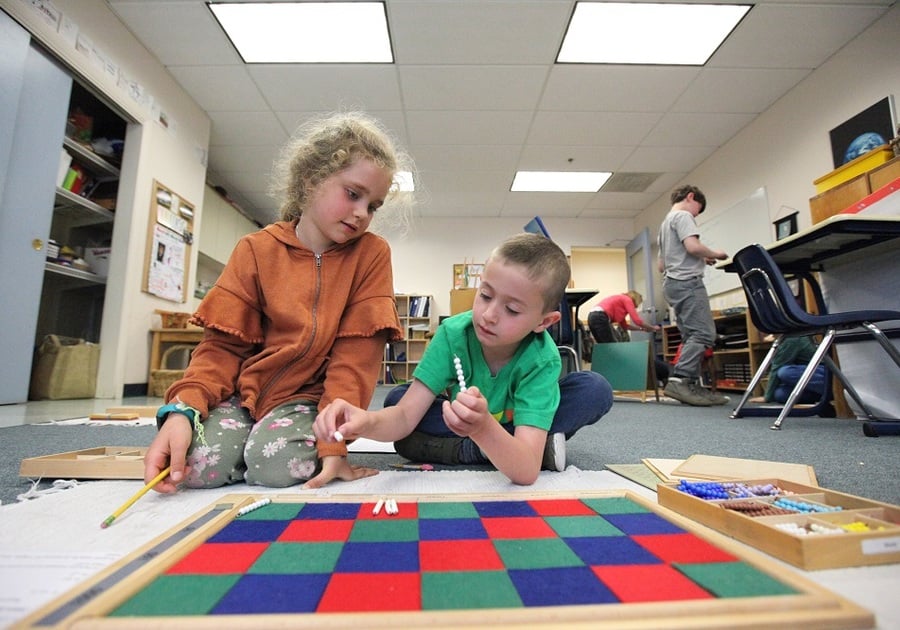
In today’s educational landscape, there is a growing interest in alternative schooling options that provide a more holistic and student-centered approach to learning. One such model that has gained popularity is the multi-age classroom system found in Waldorf schools. This unique environment brings together students of different ages and fosters a cooperative and inclusive learning community. In this article, we will explore the benefits of multi-age classrooms in a Waldorf school environment.
1. Individualized Learning: Multi-age classrooms allow for personalized instruction tailored to each student’s needs and abilities. Teachers have the opportunity to get to know their students on a deeper level, understanding their strengths, weaknesses, and learning styles. This enables educators to adapt their teaching methods accordingly, ensuring that every child receives appropriate support and challenges.
2. Peer Mentoring: Older students serve as mentors to younger ones in multi-age classrooms, fostering positive relationships among peers while promoting leadership skills and responsibility. Younger children look up to older students as role models, which enhances motivation and engagement with academic tasks.
3. Collaboration Skills: Multi-age classrooms promote collaboration rather than competition among students. By working together on projects or problem-solving activities, children learn how to communicate effectively, respect diverse perspectives, negotiate conflicts, and empathize with others’ struggles.
4. Continuous Progression: Unlike traditional grade-level structures where children are promoted based solely on age regardless of individual progress or readiness for advancement academically or socially – multi-age classrooms offer continuous progression where students can advance at their own pace.
5. Nurturing Social-Emotional Development: In multi-age classrooms, children have longer-term relationships with both teachers and peers since they remain together for multiple years instead of being separated annually by grade levels. This stability creates an emotionally secure environment where trust can develop naturally leading to enhanced social-emotional growth.
6. Enhanced Communication Skills: Interacting with individuals from different age groups helps children improve their listening skills while developing the ability to articulate their thoughts and ideas more effectively. This fosters a strong foundation for effective communication, an essential skill in all aspects of life.
7. Sense of Belonging: Multi-age classrooms create a sense of belonging and community within the school environment. Children form bonds with students across various ages, creating lasting friendships that extend beyond the classroom walls.
In conclusion, multi-age classrooms in Waldorf schools offer numerous benefits that contribute to a well-rounded education experience. From personalized learning opportunities to enhanced social-emotional development and improved communication skills, this educational model provides a nurturing environment where children can thrive academically while also developing important life skills. As educators and parents continue to seek alternatives to traditional schooling methods, the multi-age classroom system stands out as an effective approach that values each child’s unique strengths and needs.
 Alternative Amie
Leave a comment