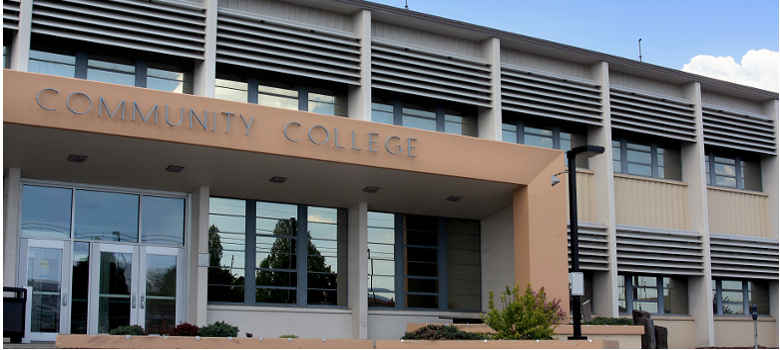
Community colleges, also known as junior colleges or two-year colleges, have gained significant popularity and recognition in recent years. These institutions provide an alternative pathway to higher education for students seeking affordable tuition, flexible schedules, and practical skills training. In this comprehensive Q&A style post, we will delve into the world of community colleges, exploring their benefits, programs offered, transfer options, financial aid opportunities, and more.
Q: What is a community college?
A: Community colleges are educational institutions that offer two-year associate degree programs along with vocational and technical certifications. They primarily serve local communities by providing accessible and affordable higher education options.
Q: What are the advantages of attending a community college?
A: There are several advantages to attending a community college:
1. Affordability: Community colleges generally have lower tuition fees compared to four-year universities.
2. Flexibility: Many community colleges offer part-time courses or evening classes to accommodate working adults.
3. Transfer opportunities: Community college credits can often be transferred towards a bachelor’s degree at a four-year university.
4. Practical skills training: Community colleges focus on providing hands-on training for various vocational fields such as nursing, culinary arts, automotive technology, etc.
5. Supportive environment: Smaller class sizes allow for more personalized attention from professors.
Q: Can you explain the types of programs offered at community colleges?
A: Community colleges offer a wide range of programs tailored to meet the needs of diverse student populations:
1. Associate degrees (AA/AS): These two-year degrees cover general education courses along with major-specific coursework in areas like liberal arts, sciences, business administration.
2. Career and Technical Education (CTE) programs: These programs provide specialized training in specific vocations such as dental hygiene technician or computer programming.
3. Certificate Programs/Diplomas: Short-term certification courses designed to equip students with practical skills required for immediate employment in fields like HVAC repair or medical billing.
4. Continuing Education: These non-credit courses are provided for personal enrichment, professional development, or to learn new skills like photography or foreign languages.
Q: How do community colleges help students transfer to four-year universities?
A: Many community colleges have established transfer agreements and articulation programs with four-year institutions, ensuring a smooth transition for students who wish to pursue a bachelor’s degree. These agreements outline which credits will be accepted by the receiving institution, allowing students to complete their general education requirements at a lower cost before transferring.
Q: Can you explain the financial aid options available for community college students?
A: Community college students have access to various financial aid options:
1. Federal Aid: Students can apply for federal grants (such as Pell Grants), work-study opportunities, and loans by completing the Free Application for Federal Student Aid (FAFSA).
2. State Programs: Many states offer tuition assistance or scholarships specifically designed for community college students.
3. Institutional Aid: Individual community colleges may provide scholarships based on academic merit, financial need, or specific program criteria.
4. Work-Study Opportunities: Some campuses offer part-time jobs through work-study programs that allow students to earn money while gaining valuable experience.
Q: Are there any extracurricular activities available at community colleges?
A: Yes! While they may not have the same range of extracurricular activities as larger universities, community colleges often provide clubs and organizations focused on various interests such as student government associations, honor societies, cultural clubs, sports teams (including intramural), theater groups, and more. Engaging in these activities promotes personal growth and enhances the overall college experience.
Q: How can attending a community college benefit career changers or adults returning to education?
A: Community colleges are particularly well-suited for adults seeking career changes or those returning to education after an extended break:
1. Flexible scheduling options allow adult learners to balance work, family, and education.
2. Community colleges offer a wide range of vocational programs that provide practical skills for quick entry into new careers.
3. The supportive learning environment and personalized attention from professors are beneficial for adult students who may need extra guidance.
Q: Are community college degrees and certifications valuable in the job market?
A: Yes! While community college degrees may not hold the same prestige as bachelor’s or advanced degrees, they still carry significant value in the job market. Many employers recognize the practical training received at community colleges, making graduates highly employable in industries such as healthcare, technology, trades, and more. Additionally, some fields require specific certifications where community colleges excel in providing specialized training.
Q: Can international students attend community colleges?
A: Yes! International students can attend community colleges by obtaining an appropriate student visa (such as an F-1 visa). However, it is essential to research individual institutions’ policies regarding international admissions before applying.
Q: What steps should prospective students take when considering a community college?
A: When considering a community college:
1. Research multiple institutions to determine which one aligns with your educational goals and program interests.
2. Visit campus websites or attend virtual information sessions to gather detailed information about available programs, facilities, faculty qualifications/support services provided.
3. Reach out directly to admissions offices or academic advisors for any specific questions or concerns you may have.
4. Consider financial factors like tuition costs and scholarship opportunities alongside other variables such as location and transfer agreements.
In conclusion, community colleges play a crucial role in providing accessible education options for individuals seeking affordable tuition rates without compromising on quality education or career prospects. With diverse program offerings catering to various interests and needs coupled with transfer opportunities to four-year universities or direct entry into the workforce through vocational training – attending a community college can be an excellent choice for many students looking to pursue higher education while keeping their options open
 Alternative Amie
Leave a comment