The Montessori method is a unique approach to education that has gained popularity over the years. Developed by Maria Montessori, an Italian physician and educator, this method focuses on fostering independence, curiosity, and love for learning in children. By creating a prepared environment and allowing children to learn at their own pace, Montessori schools have proven to be successful in nurturing well-rounded individuals.
One of the key principles of the Montessori method is respect for each child’s individuality. In a traditional classroom setting, students often follow a standardized curriculum and are expected to progress at the same pace as their peers. However, in Montessori schools, children are encouraged to explore their interests and develop their skills independently. This personalized approach allows students to build confidence in their abilities while also respecting the diverse learning styles and strengths of others.
Another fundamental aspect of the Montessori method is the emphasis on hands-on learning. Instead of passively receiving information from a teacher through lectures or textbooks, students engage with materials that are specifically designed to promote sensory exploration and problem-solving. These materials are self-correcting, meaning that children can assess their own progress without constant intervention from adults. Through this active participation in their education, children develop critical thinking skills and become independent learners.
Montessori classrooms are carefully organized environments that cater to every child’s developmental needs. They feature child-sized furniture and materials arranged neatly on low shelves within reach of young learners. The layout promotes freedom of movement so that children can choose activities based on their interests or developmental level. Teachers act as guides rather than lecturers; they observe each child closely and provide guidance when necessary while respecting the child’s autonomy.
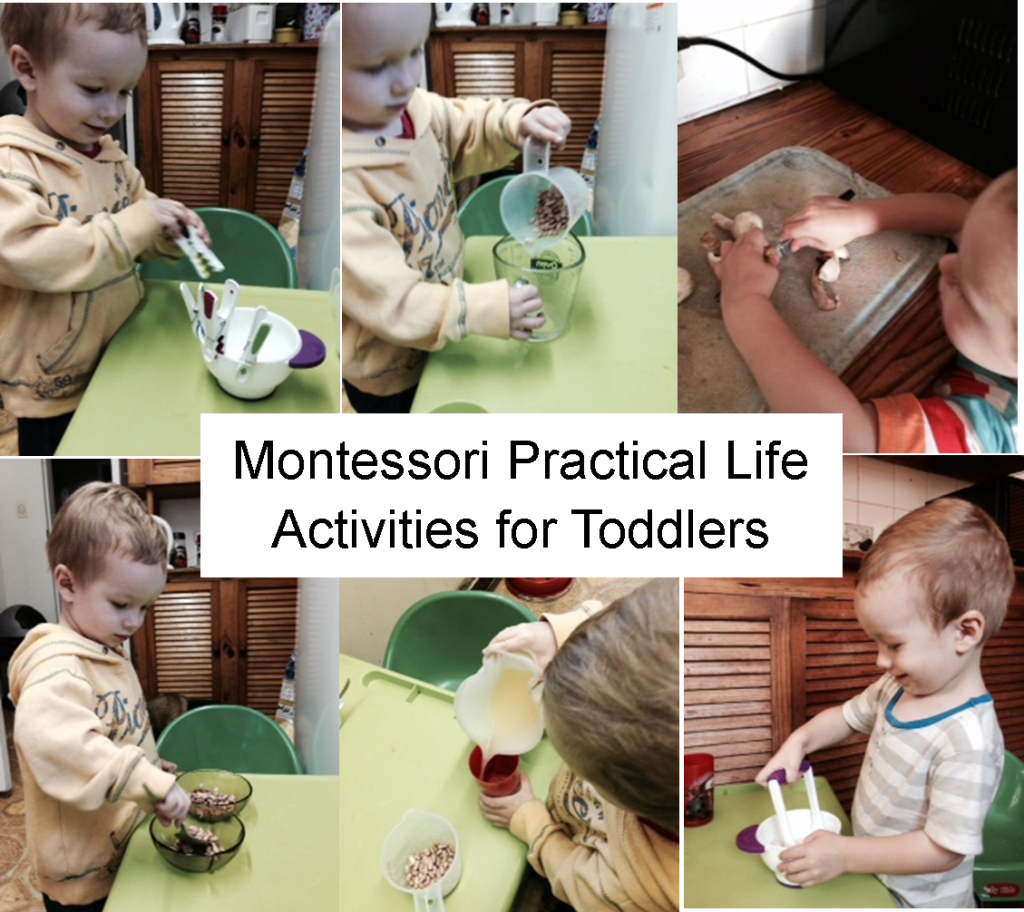
Another significant aspect of Montessori education is its focus on practical life skills alongside academic subjects such as math or language arts. Children engage in activities like cooking, gardening, cleaning up after themselves, or caring for plants or animals within the classroom environment. These activities not only foster independence but also teach children valuable life skills that will benefit them in the long run. By incorporating practical life skills into the curriculum, Montessori education aims to prepare children for real-world experiences and instill a sense of responsibility.
In conclusion, the Montessori method offers a unique and effective approach to education by valuing each child’s individuality, promoting hands-on learning, creating prepared environments, and emphasizing practical life skills. This holistic approach has proven successful in nurturing confident and independent learners who are well-prepared for future challenges. Whether you are a parent seeking an alternative educational system or an educator interested in new teaching methods, exploring Montessori education might be worth considering as it can greatly impact a child’s growth and development.
 Alternative Amie
Leave a comment