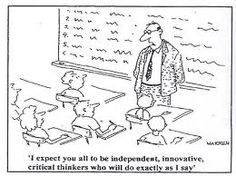
Are you tired of the same old traditional assessments, where students are forced to regurgitate information onto a piece of paper? Well, fear not! Alternative assessment methods are here to save the day. And what better way to evaluate student learning than with rubrics?
Rubrics provide a structured framework for assessing student work and can be used in a variety of alternative assessment strategies. They offer clear guidelines and criteria that allow teachers and students alike to understand what is expected and how performance will be measured.
Now, I know what you’re thinking. Rubrics sound boring and rigid. But let me assure you, they can actually be quite entertaining when approached with a touch of humor. So grab your pens (or keyboards) because we’re about to dive into the whimsical world of rubrics in alternative education!
1. The “Witty Wordplay” Rubric:
Why settle for bland descriptors like “excellent” or “satisfactory” when you can spice things up with clever wordplay? Imagine receiving feedback that labels your work as “A+”tastic or “Brilliantly Breathtaking.” Not only does this add an element of fun, but it also encourages creativity and helps foster a positive learning environment.
2. The “Meme Master” Rubric:
Who doesn’t love memes? Incorporating popular internet memes into your rubric can instantly make it relatable and engaging for students. Instead of using generic categories like organization or content, why not use meme-inspired names such as “Wowza Organization!” or “Epic Content Achievement”? Students will undoubtedly get a kick out of seeing their work being evaluated through the lens of their favorite online humor.
3. The “Superhero Scale” Rubric:
Do your students dream of having superpowers? Turn their dreams into reality with a superhero-themed rubric! Assign each performance level with its corresponding superhero persona – from Sidekick Status to Legendary Hero. Not only will this inject a sense of adventure into the assessment process, but it will also motivate students to strive for greatness and unleash their inner superheroes.
4. The “Foodie Fun” Rubric:
Let’s face it; everyone loves food! So why not bring culinary delights into your rubric? Use mouthwatering categories like “Delicious Details,” “Savory Support,” or “Tantalizing Transitions.” This approach adds a flavor of excitement to the evaluation process while helping students develop a deeper understanding of the assessment criteria.
5. The “Movie Magic” Rubric:
Lights, camera, action! Transform your rubric into a movie script with different performance levels depicted as cinematic moments. From an opening scene that lacks direction (Beginner Level) to an epic climax that leaves viewers on the edge of their seats (Advanced Level), this rubric style brings Hollywood magic to alternative assessments.
6. The “Punny Points” Rubric:
Who doesn’t appreciate a good pun? Inject some laughter into your grading system by incorporating clever wordplay throughout your rubric. For instance, you can use phrases like “You’ve really nailed it!” for exemplary work or say, “Time to sharpen those skills!” for areas needing improvement. Puns not only lighten up the mood but also make feedback more memorable and enjoyable for students.
7. The “Emoji Extravaganza” Rubric:
In today’s digital age, emojis have become an integral part of communication – so why not embrace them in your rubrics too? Replace traditional descriptors with expressive emojis that capture different levels of performance. A smiling emoji can represent excellent work, while a thinking face emoji may indicate room for improvement. This modern twist adds visual appeal and helps students easily grasp their performance level at a glance.
Remember, incorporating humor and creativity into rubrics doesn’t mean compromising on clarity or accuracy in assessing student learning outcomes; rather, it enhances the overall experience for both teachers and students. So go ahead, unleash your inner comedian, and create rubrics that will leave everyone smiling – even in the midst of assessment stress!
In conclusion, rubrics are a versatile tool that can make alternative assessments more engaging and enjoyable. By infusing them with humor and creativity, we can transform the evaluation process from mundane to marvelous. So why settle for boring when you can have fun while assessing student learning? Give these whimsical rubric ideas a try and watch as your classroom becomes a hub of laughter and academic growth!
 Alternative Amie
Leave a comment