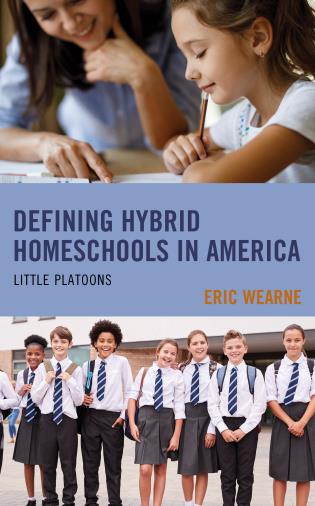
Hybrid homeschooling is a unique educational approach that combines the benefits of homeschooling with some traditional schooling elements. One common concern among parents considering this option is the socialization opportunities for their children. However, hybrid homeschooling provides numerous avenues for social interaction and personal development.
1. Co-Op Classes: Many hybrid homeschooling programs offer co-op classes where students gather once or twice a week to learn together in a classroom setting. These classes are taught by qualified teachers and provide an opportunity for students to interact with peers while engaging in group activities, discussions, and projects.
Co-op classes not only help develop social skills but also foster collaboration and teamwork. Students can work together on assignments, share ideas, and learn from one another’s perspectives. The structured environment of these classes allows children to practice following instructions, raising questions, presenting their thoughts, and listening actively.
2. Field Trips: Hybrid homeschooling often incorporates field trips into the curriculum as an experiential learning component. These outings enable students to explore new places, engage with different environments, and interact with people from various backgrounds.
Field trips not only provide educational value but also present opportunities for socialization. Students have the chance to bond with their classmates outside of the school setting through shared experiences like visiting museums, historical sites, nature reserves, or local businesses. Interacting in real-world settings allows them to develop communication skills and build lasting friendships.
3. Extracurricular Activities: Hybrid homeschooled students have ample time for extracurricular activities compared to traditional school-goers because they can tailor their academic schedule around these pursuits. Engaging in sports teams, music lessons, art classes, theater groups or joining clubs ensures regular interaction with peers who share similar interests.
Participating in extracurricular activities fosters friendships based on shared passions while enhancing interpersonal skills such as cooperation, compromise-making decisions as a team player or leader – all essential aspects of socialization. These activities also expose students to a diverse range of individuals, promoting tolerance, empathy, and understanding.
4. Community Involvement: Hybrid homeschooling provides an excellent opportunity for students to engage with their local community actively. Volunteering at local charities, participating in community events or joining youth organizations are ways for them to contribute positively while connecting with peers and adults outside their immediate circle.
Community involvement instills a sense of responsibility and civic duty within students. It allows them to interact with people from different generations and backgrounds, fostering respect and understanding for the diversity that exists within society.
5. Online Interaction: While hybrid homeschooling includes face-to-face interaction through co-op classes and other activities, it also offers online components that promote virtual socialization. Online discussion forums or video conferencing platforms provide platforms where students can connect virtually with classmates or even participate in collaborative projects with peers from different regions or countries.
Online interactions help develop digital literacy skills while allowing students to communicate effectively in a virtual environment—a crucial skill set as technology continues to shape our world today. Virtual communication not only enhances socialization but also prepares learners for the evolving nature of work environments.
6. Family Engagement: One significant advantage of hybrid homeschooling is increased family engagement in education. Parents play an active role as learning facilitators, spending quality time working alongside their children on assignments, projects, or field trips.
This dynamic fosters strong family bonds while providing opportunities for siblings to interact closely throughout the day—an experience unique to hybrid homeschooling families. Furthermore, parents often organize playdates or meet-ups among fellow homeschooled families to encourage social interaction among children who share similar educational experiences.
In conclusion, hybrid homeschooling offers numerous avenues for socialization that allow children to develop essential interpersonal skills while enjoying the benefits of personalized education at home. Co-op classes provide structured classroom settings where collaboration and teamwork thrive. Field trips offer real-world experiences alongside classmates, while extracurricular activities and community involvement promote shared interests and connections within the local community. Online interactions provide opportunities for virtual socialization, preparing students for the digital age. Lastly, family engagement in hybrid homeschooling fosters strong bonds and unique experiences for siblings. With these diverse socialization opportunities, hybrid homeschooling proves to be a well-rounded educational option that prioritizes both academic growth and social development.
 Alternative Amie
Leave a comment