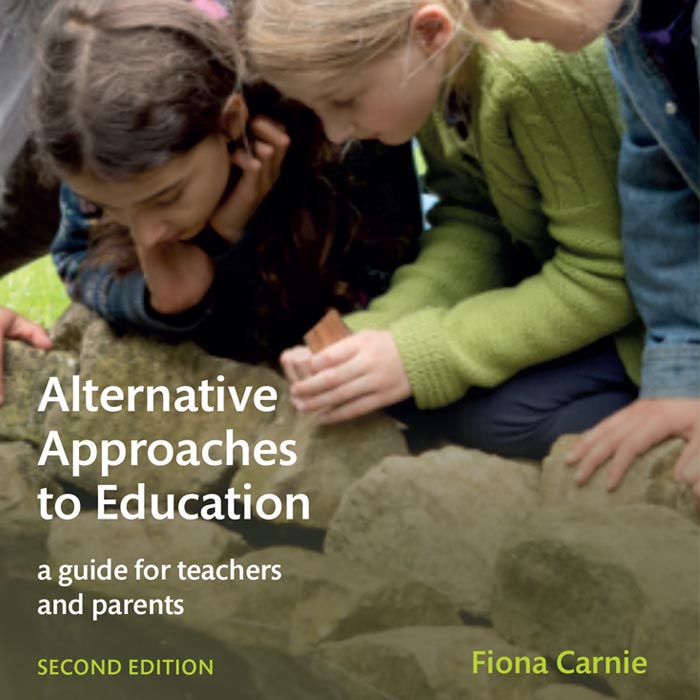
In the realm of alternative schooling and education, there are a plethora of innovative approaches that aim to provide personalized and meaningful learning experiences for students. These approaches seek to move away from traditional methods of assessment and grading, while incorporating technology, experiential learning, multiculturalism, community partnerships, self-directed learning, and much more. Let’s explore some key aspects of these alternative educational practices.
1. Individualized Assessment Methods:
Alternative schools prioritize individualized assessment methods that go beyond standardized testing. They focus on understanding each student’s unique strengths and challenges through various tools such as portfolios, exhibitions, presentations, and performance-based assessments. These methods allow students to showcase their progress in a more holistic manner.
2. Non-Traditional Grading Systems:
Many alternative schools adopt non-traditional grading systems that emphasize mastery rather than letter grades or percentages. Competency-based assessments measure students’ abilities in specific skills or knowledge areas instead of evaluating them based on arbitrary benchmarks.
3. Project-Based Learning in Alternative Schools:
Project-based learning is a cornerstone of alternative education models. It engages students in real-world problem-solving by working collaboratively on long-term projects that integrate multiple subjects. This approach fosters critical thinking skills, creativity, and collaboration.
4. Incorporating Technology into Alternative Education:
Alternative schools recognize the importance of technology in preparing students for the digital age. They integrate technological tools such as interactive whiteboards, online resources, educational apps, virtual reality simulations,and coding programs into their curriculum to enhance engagement and facilitate personalized learning experiences.
5. Outdoor and Experiential Learning Approaches:
Outdoor education allows students to connect with nature while applying classroom concepts to real-life situations.It promotes hands-on exploration,sustainability awareness,and physical activity.In addition to outdoor activities,some alternative schools also offer experiential learning opportunities like internships,vocational training,and apprenticeships where students can gain practical skills relevant to their interests or future careers.
6.Multicultural and Diverse Curriculum in Alternative Schools:
Alternative schools prioritize multiculturalism and diversity by incorporating a wide range of perspectives, cultural studies, and global issues into their curriculum. This approach fosters empathy, understanding, and prepares students to be global citizens.
7. Community Partnerships and Service-Learning Opportunities:
Alternative schools actively seek partnerships with local organizations, businesses,and community members to provide service-learning opportunities for their students. These partnerships allow students to engage in meaningful projects that address real community needs while developing skills such as leadership,collaboration,and problem-solving.
8.Self-Directed Learning Strategies:
Self-directed learning empowers students to take ownership of their education by allowing them to pursue their interests and passions within the curriculum. It involves setting goals, creating action plans, seeking resources independently,and reflecting on one’s progress.This approach nurtures independence,resilience,and lifelong learning skills.
9.Montessori-Inspired Curriculum Customization:
Montessori-inspired alternative schools emphasize self-paced learning where students have the freedom to choose activities based on their individual interests and readiness levels.They often utilize hands-on materials,such as Montessori manipulatives,to facilitate independent exploration.This student-centered approach promotes autonomy,critical thinking,and concentration.
10.Reggio Emilia Approach in Alternative Education Settings:
The Reggio Emilia approach highlights student-led investigations through project work.It encourages teachers to act as facilitators rather than instructors.The focus is on nurturing creativity,self-expression,collaboration,and building strong relationships between children,families,and the wider community.Visual arts are particularly emphasized as a means of communication.
These are just some examples of the many innovative practices found in alternative schooling environments. From personalized goal-setting and cross-curricular connections to restorative justice practices and mindfulness techniques—alternative education strives to create inclusive, engaging, empowering educational experiences for every student. By embracing these approaches, we can foster a love for learning while equipping our future generations with essential skills and values needed to thrive in a rapidly evolving world.
 Alternative Amie
Leave a comment