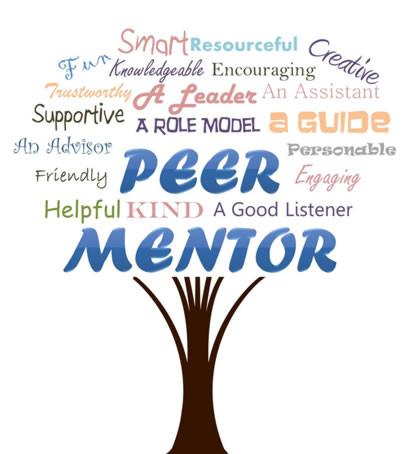
Building Trust and Rapport in Peer Mentoring Relationships
Peer mentoring relationships play a crucial role in alternative schooling and education environments. These relationships provide valuable support, guidance, and encouragement to students who may be facing academic or personal challenges. However, for peer mentoring to be effective, it is essential to establish trust and rapport between mentors and mentees.
Trust is the foundation of any successful mentoring relationship. When mentees trust their mentors, they are more likely to open up about their struggles, seek advice without hesitation, and follow through on suggestions or recommendations provided by their mentors. Likewise, when mentors trust their mentees, they feel confident that their efforts will be valued and appreciated.
So how can we build trust in peer mentoring relationships? Here are some strategies that can help foster a strong sense of trust:
1. Confidentiality: Emphasize the importance of confidentiality from the very beginning. Assure mentees that anything shared during mentoring sessions will remain confidential unless there is a risk of harm or danger involved. Establishing this understanding early on creates a safe space for mentees to share openly without fear of judgment or repercussions.
2. Active Listening: Encourage mentors to practice active listening skills during mentoring sessions. This involves giving full attention to what the mentee is saying, maintaining eye contact, nodding affirmatively at appropriate times, and summarizing or paraphrasing what has been shared to show understanding. Active listening demonstrates genuine interest and concern for the mentee’s experiences.
3. Empathy: Cultivate empathy within mentorship programs by encouraging mentors to put themselves in the shoes of their mentees. Understanding the challenges faced by students helps mentors offer relevant advice and support tailored to individual needs.
4. Reliability: Consistency is key when it comes to building trust in peer mentoring relationships. Mentors must demonstrate reliability by showing up for scheduled meetings consistently and following through on commitments made during previous sessions.
5. Mutual Respect: Foster an environment of mutual respect where mentors and mentees value each other’s perspectives, experiences, and opinions. Encourage mentors to treat their mentees as equals rather than authority figures, allowing for open dialogue and a sense of partnership.
Once trust has been established, it is important to work on building rapport in peer mentoring relationships. Rapport refers to the harmonious relationship between mentors and mentees that facilitates effective communication and collaboration. Here are some strategies for building rapport:
1. Shared Experiences: Encourage mentors to share their own experiences of overcoming challenges or setbacks during their academic journey. This helps mentees relate to their mentors on a personal level and fosters a sense of camaraderie.
2. Common Interests: Discover shared interests between mentors and mentees outside the realm of academics. Finding common ground can strengthen the bond between them and provide additional avenues for connection beyond mentorship sessions.
3. Positive Reinforcement: Celebrate small wins together! Acknowledge achievements, no matter how small they may seem, as this boosts confidence and motivation in both mentors and mentees.
4. Two-Way Feedback: Cultivate an environment where feedback flows freely in both directions – from mentor to mentee and vice versa. Mentors should actively seek feedback from their mentees regarding the effectiveness of their guidance while providing constructive feedback based on observations.
5. Growth Mindset: Encourage mentors to adopt a growth mindset when working with their mentees – emphasizing that mistakes are opportunities for learning rather than failures to be criticized or dismissed.
By focusing on building trust and rapport in peer mentoring relationships within alternative schooling environments, we can create a supportive network that empowers students to reach their full potential. When students feel heard, understood, respected, supported, and valued by their peers who serve as mentors, they are more likely to thrive academically while also developing essential life skills such as resilience, self-confidence, empathy, and leadership. Let us continue to invest in the power of peer mentoring as a catalyst for growth, success, and personal development within alternative education settings.
 Alternative Amie
Leave a comment