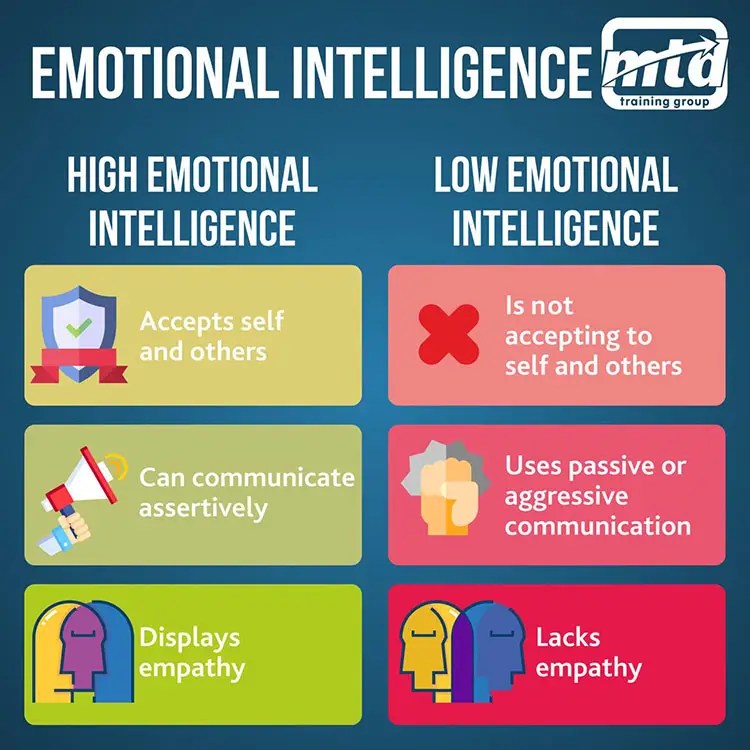
Emotional intelligence is a term that has gained significant popularity in recent years, and for good reason. It refers to the ability to recognize, understand, and manage our own emotions, as well as effectively navigate and respond to the emotions of others. While traditional schooling often focuses solely on academic achievements and knowledge acquisition, alternative forms of education recognize the importance of emotional intelligence in shaping well-rounded individuals.
In this memoir-style post, I want to share my personal journey with emotional intelligence in an alternative schooling environment. Growing up, I attended a school that prioritized holistic education – one that aimed not only to equip students with academic skills but also foster their emotional growth.
The first time I encountered the concept of emotional intelligence was during a class on self-awareness. Our teacher introduced us to different aspects of emotional intelligence such as self-reflection, empathy, and effective communication. We were encouraged to explore our own emotions and understand how they influenced our thoughts and behaviors.
One exercise that particularly stood out was journaling about our daily experiences. Through writing down our thoughts and feelings each day, we were able to develop self-awareness – recognizing patterns in our behavior or triggers for certain emotions. This simple practice allowed us to better understand ourselves on a deeper level.
As children growing up in an alternative schooling environment focused on emotional intelligence, we were taught from an early age how important it is to acknowledge and validate our emotions rather than suppressing them. In traditional schools where discipline is often centered around conformity and obedience, there is little room for students’ emotional expression. However, by allowing us space for open dialogue about how we felt during challenging situations or conflicts with peers or teachers, we learned healthier ways of dealing with those emotions.
Another aspect emphasized at my alternative school was empathy – understanding other people’s perspectives and being able to put ourselves in their shoes emotionally. We were encouraged not only to be aware of our own feelings but also attuned to the emotions of those around us. This involved active listening, observing body language, and practicing non-judgmental communication.
To cultivate empathy, our school organized group discussions and role-playing activities where we had to take on different characters and express their emotions. These exercises helped us appreciate the diversity of human experiences and develop a greater understanding of others’ feelings.
One unique feature of alternative schooling was the emphasis placed on building strong relationships between students and teachers. In traditional schools, it is not uncommon for students to feel disconnected from their educators. However, in my alternative school, teachers were not just instructors but mentors who genuinely cared about our emotional well-being.
In weekly one-on-one meetings with our teachers called “check-ins,” we were given the opportunity to discuss any issues or concerns we had – both academic and personal. These conversations allowed us to build trust with our teachers while also receiving guidance on how to navigate challenges effectively.
Through these check-ins, I learned that emotional intelligence extends beyond individual self-awareness; it also involves recognizing the emotions of others and responding appropriately. Our teachers modeled this behavior by actively listening without judgment or interruption during these meetings. They provided a safe space for open dialogue where we felt heard and understood.
As I progressed through my education at this alternative school, I noticed significant differences in how I approached various situations compared to peers attending traditional schools. While some struggled with managing stress or conflicts due to a lack of emotional awareness, my training in emotional intelligence gave me an advantage in navigating interpersonal relationships both inside and outside the classroom.
For instance, when faced with conflicts among friends or classmates, I was better equipped to engage in constructive conversations rather than resorting to aggression or withdrawal. The ability to understand others’ perspectives helped me establish deeper connections built on empathy rather than judgment.
Moreover, as someone who tends towards introversion naturally, developing emotional intelligence enabled me to express myself more effectively even when interacting with larger groups or advocating for my opinions. By understanding my own emotions and being attuned to others’, I became more confident in expressing myself authentically, knowing that my feelings were valid and that I could engage with others respectfully.
In conclusion, alternative schooling environments that prioritize emotional intelligence offer valuable opportunities for personal growth and development. Through practices like journaling, empathy-building exercises, and consistent mentorship, students in these settings learn to navigate their emotions effectively while also developing strong interpersonal skills.
The journey toward emotional intelligence is not limited to childhood or adolescence; it is a lifelong process. The foundations laid during alternative schooling become integral parts of our identities as adults – shaping how we approach relationships, work dynamics, and overall well-being.
While academic achievements are undoubtedly important, nurturing emotional intelligence equips individuals with essential tools for success in all areas of life. It allows us to understand ourselves better, connect deeply with others on an empathetic level, and make informed decisions based on both rationality and emotionality.
As society recognizes the significance of emotional intelligence in fostering healthy relationships and nurturing personal growth, incorporating its teachings into mainstream education becomes increasingly crucial. Alternative schools present a model where this integration has already begun – paving the way for a generation of emotionally intelligent individuals who are equipped to face the complexities of our ever-changing world head-on.
 Alternative Amie
Leave a comment