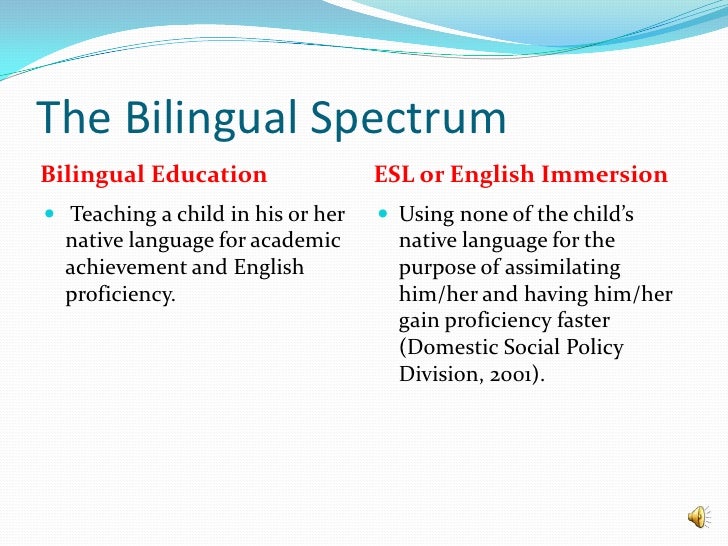
Bilingual Curriculum Design: Fostering Multilingualism in Education
In an increasingly interconnected and multicultural world, the importance of bilingual education cannot be overstated. Bilingual curriculum design aims to provide students with the opportunity to develop proficiency in two or more languages while receiving a comprehensive education. This form of education not only enhances language skills but also promotes cultural understanding and prepares students for success in a globalized society.
Bilingual curriculum design goes beyond simply offering language courses; it integrates both languages into all aspects of learning. By incorporating subjects such as math, science, history, and art into the bilingual framework, students are exposed to different linguistic contexts that deepen their understanding of both languages. This immersion approach allows students to acquire language skills naturally while grasping complex concepts simultaneously.
One key advantage of bilingual curriculum design is its ability to enhance cognitive abilities. Research has shown that individuals who are fluent in multiple languages possess improved problem-solving skills, enhanced creativity, and better multitasking abilities compared to monolingual individuals. Bilingual education encourages critical thinking and helps students develop flexible approaches towards learning by navigating between different linguistic systems.
Moreover, bilingual curriculum design nurtures cultural competence among learners. By studying various cultures through their respective languages, students gain insight into diverse perspectives and practices from around the world. They become more open-minded and appreciative of differences while developing empathy towards other cultures. This exposure cultivates qualities essential for fostering intercultural communication and collaboration later in life.
Additionally, bilingual curriculum design can positively impact a student’s overall academic performance. Studies have shown that children enrolled in bilingual programs often outperform their monolingual peers on standardized tests across various subjects due to increased cognitive flexibility and problem-solving capabilities gained through multilingualism. Furthermore, being able to communicate effectively in multiple languages opens up opportunities for higher education or employment prospects globally.
Implementing effective bilingual curriculum designs requires careful planning by educators who understand the unique needs of each student population. It is essential to consider the linguistic backgrounds, cultural diversity, and individual learning styles of students when designing a curriculum that effectively integrates both languages. Collaborative efforts between bilingual teachers and subject specialists are crucial to ensure seamless integration of language skills with academic content.
To support the implementation of bilingual curriculum design, schools may provide resources such as bilingual textbooks, multimedia materials, and language labs. These resources enable students to practice their language skills in various contexts while exploring different subjects. Additionally, technology can play a significant role by offering online platforms or applications that facilitate interactive learning experiences in multiple languages.
While there are numerous benefits associated with bilingual curriculum design, it is important to address potential challenges that may arise during implementation. One common challenge is ensuring balanced proficiency in both languages among students. Educators must continuously assess and monitor each student’s progress to provide appropriate support and interventions when necessary.
Furthermore, educators need ongoing professional development opportunities focused on effective instructional strategies for bilingual education. This helps them stay updated with current research findings regarding best practices in teaching multilingual learners and ensures they possess the necessary knowledge and skills required for successful implementation.
In conclusion, bilingual curriculum design offers a holistic approach towards fostering multilingualism within educational settings. By integrating languages into all aspects of learning, this approach enhances cognitive abilities while nurturing cultural competence among students. The benefits extend beyond the classroom walls, preparing individuals for success in an increasingly interconnected world. As we continue embracing diversity and promoting inclusivity, investing in effective bilingual curriculum designs becomes imperative for creating well-rounded global citizens equipped to thrive in our multicultural society
 Alternative Amie
Leave a comment