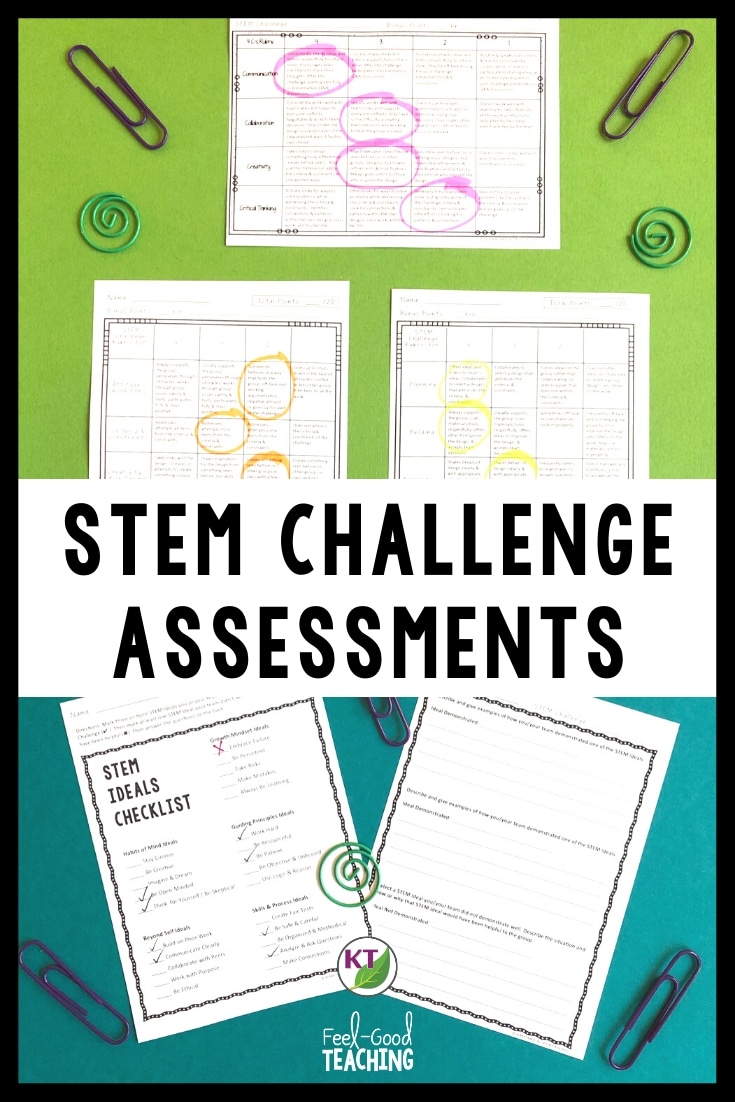
Peer assessment in STEM subjects has become an integral part of alternative schooling and education. Stemming from the belief that students can learn from each other, peer assessment provides a unique opportunity for students to actively engage in their own learning process while simultaneously developing important skills such as critical thinking, communication, and self-reflection.
In STEM subjects, which include science, technology, engineering, and mathematics, peer assessment takes on a particularly valuable role. These disciplines often require problem-solving and analytical thinking skills that benefit from collaborative learning environments. By involving peers in the assessment process, students not only gain a deeper understanding of their subject matter but also enhance their ability to work effectively within teams—a crucial skill in today’s professional world.
One of the key benefits of peer assessment is its ability to foster a sense of ownership over one’s learning. When students are given the responsibility to assess the work of their peers, they become active participants rather than passive recipients of knowledge. This shift empowers them to take control of their own learning journey by critically evaluating concepts and approaches presented by others.
Moreover, peer assessment encourages students to develop effective communication skills as they provide constructive feedback to their peers. Articulating thoughts clearly and concisely is essential not only for delivering feedback but also for explaining complex ideas or solving problems collaboratively—an invaluable skill in STEM fields where teamwork is common practice.
Additionally, through engaging in peer assessment activities, students learn how to give and receive feedback gracefully—a skill that will serve them well throughout their academic careers and beyond. Constructive criticism helps learners identify areas for improvement while appreciating positive aspects of their work reinforces confidence and motivation. Peer assessments create an environment where mistakes are seen as opportunities for growth rather than failures.
Furthermore, incorporating peer assessments into STEM subjects nurtures critical thinking skills among students—the foundation upon which scientific discoveries are made. As they evaluate each other’s work independently using rubrics or guidelines provided by instructors or developed collectively as a class, students learn to analyze evidence, detect flaws in arguments, and propose alternative solutions. This process not only enhances their understanding of the subject matter but also prepares them for professional endeavors where critical thinking is highly valued.
Peer assessment also promotes self-reflection—an essential skill for all learners. By assessing the work of others, students gain insights into different perspectives and approaches that they may not have considered before. This exposure broadens their horizons and encourages them to reflect on their own ideas and methodologies critically. Self-reflection enables students to identify areas where they can improve or refine their approach, leading to continuous growth and development.
Finally, peer assessment facilitates collaborative learning experiences that are vital for mastering STEM subjects effectively. Students engage in discussions, share knowledge and resources, ask questions, seek clarification—building a collective intelligence within the classroom environment. Collaborative learning fosters creativity and problem-solving abilities by offering diverse viewpoints and encouraging innovation through cooperative efforts.
In conclusion, incorporating peer assessment in STEM subjects has proven its worth time and again by facilitating active learning environments that foster critical thinking skills while promoting effective communication, self-reflection, collaboration, ownership over one’s learning journey. By engaging students as active participants in the assessment process rather than passive recipients of feedback from teachers alone, peer assessment empowers learners with valuable skills necessary both inside and outside the classroom setting.
 Alternative Amie
Leave a comment