Robotics Competitions: Fostering Innovation and Learning Through Hands-on Experience
In recent years, robotics competitions have gained significant popularity as an avenue for students to explore their passion for science, technology, engineering, and mathematics (STEM). These competitions provide a unique platform where students can apply their theoretical knowledge to practical problem-solving scenarios. By participating in these events, students are not only exposed to cutting-edge technologies but also develop crucial skills such as creativity, critical thinking, teamwork, and effective communication. In this article, we will delve into the world of robotics competitions and explore how they contribute to alternative schooling and education.
One of the most well-known robotics competitions is FIRST Robotics Competition (FRC), founded by inventor Dean Kamen in 1989. FRC challenges high school teams to design and build robots that can perform specific tasks within a designated time frame. The competition combines elements of engineering design with real-world problem-solving skills while fostering collaboration among team members.
Teams participating in FRC often consist of students from various backgrounds including programming, mechanical engineering, electrical engineering, and industrial design. This multidisciplinary approach enables participants to leverage each other’s strengths and learn from one another’s expertise. Mentors play a vital role in guiding these teams throughout the entire process, providing valuable insights based on their professional experiences.
Another prominent robotics competition is VEX Robotics Competition (VRC), which caters to middle school and high school students worldwide. VEX encourages participants to design and construct robots using standardized components provided by the organizers. With an emphasis on strategy-driven gameplay, VRC pushes teams to think strategically about how best to achieve objectives within the constraints of the game rules.
What sets VEX apart is its accessibility; it offers both classroom-based programs as well as competitive events outside of regular school hours. This flexibility allows schools with limited resources or time constraints to still offer their students an opportunity for hands-on learning through robotics.
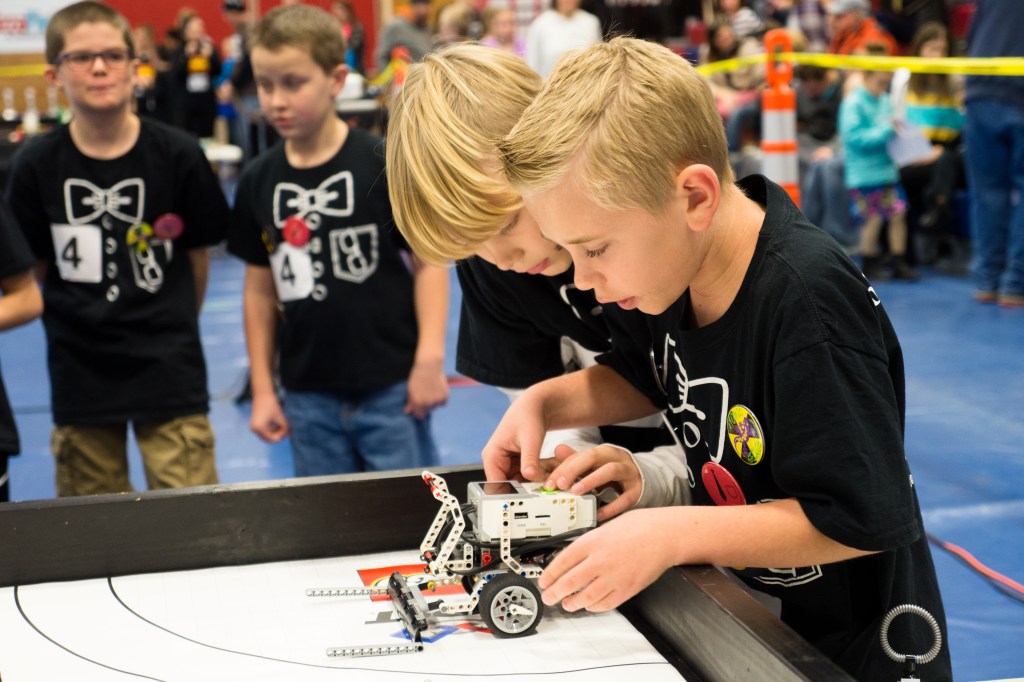
For younger students, FIRST LEGO League (FLL) Junior and FLL provide a gateway into the world of robotics. FLL Junior is designed for children aged six to ten, focusing on teamwork, creativity, and problem-solving using LEGO components. It introduces basic engineering concepts in a fun and engaging manner.
FLL targets children aged nine to fourteen and provides them with a more complex challenge involving designing, building, and programming autonomous robots. Additionally, teams are required to conduct research on a real-world problem related to each year’s theme and propose innovative solutions.
The benefits of participating in robotics competitions extend beyond technical skills development. Students learn invaluable lessons about perseverance and resilience as they encounter obstacles during the design process. They also develop effective communication skills by presenting their ideas to judges or explaining their robot’s functionality during matches.
Furthermore, these competitions foster an environment of friendly competition where students can showcase their creativity through unique designs or strategies. The sense of achievement gained from overcoming challenges drives participants to push themselves further in pursuit of excellence.
Robotics competitions also promote inclusivity by encouraging participation from underrepresented groups such as girls and minority students who may not typically pursue STEM-related fields. Through exposure to robotics at an early age, these students gain confidence in their abilities while challenging societal stereotypes about who can excel in STEM disciplines.
In addition to the personal growth experienced by individual participants, robotics competitions have broader implications for alternative schooling approaches. By integrating hands-on learning experiences into formal education settings, schools can create more engaging environments that cater to diverse learning styles.
These competitions align with the principles of project-based learning (PBL), which advocates for student-centered education focused on solving authentic problems through collaboration and critical thinking. Robotics competitions provide an ideal platform for PBL implementation as they require students to apply knowledge acquired across various subjects simultaneously.
Moreover, participating in robotics competitions allows students to witness firsthand how theoretical concepts translate into practical applications—a crucial aspect often overlooked within traditional classroom settings. By bridging this gap, students gain a deeper understanding of the relevance and importance of their coursework.
The impact of robotics competitions on alternative schooling is further amplified by the networking opportunities they offer. Students have the chance to interact with industry professionals, potential mentors, and like-minded peers who share similar interests. These connections can open doors for future internships, job opportunities, or even collaborations on innovative projects.
In conclusion, robotics competitions provide an invaluable platform for students to apply theoretical knowledge in practical scenarios while fostering crucial skills such as creativity, critical thinking, teamwork, and effective communication. These events promote inclusivity within STEM fields by encouraging participation from underrepresented groups. Furthermore, robotics competitions align with alternative schooling approaches that prioritize hands-on learning experiences and project-based learning principles. The impact extends beyond individual participants to influence educational systems as a whole by creating engaging environments that cater to diverse learning styles. As we continue to witness advancements in technology and automation shaping our world’s future workforce demands, it is essential to embrace initiatives like robotics competitions that prepare students for a rapidly changing landscape through innovation and collaboration.
 Alternative Amie
Leave a comment