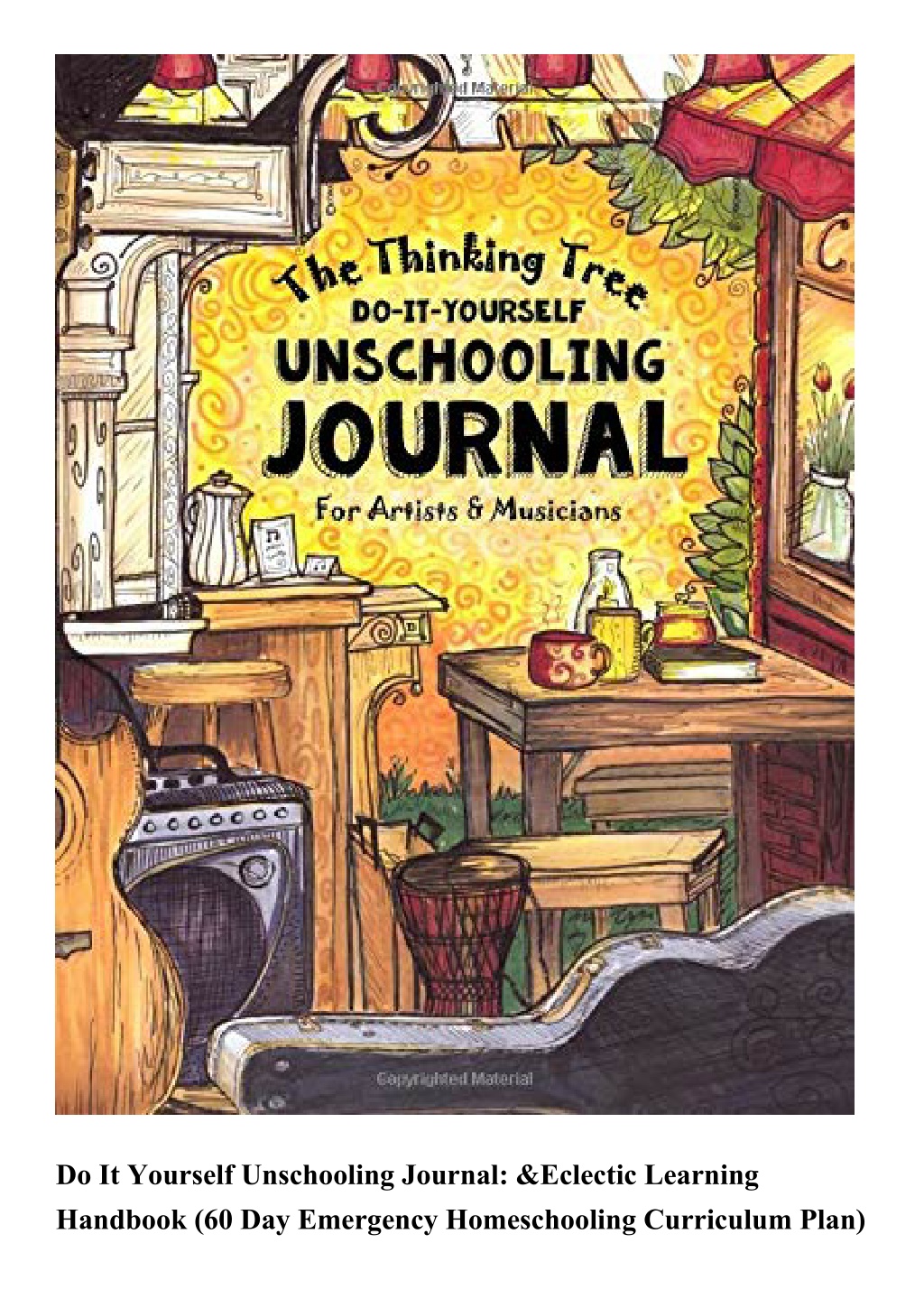
Eclectic Unschooling: Embracing Individualized Learning
In the realm of alternative education, unschooling has gained popularity as a method that allows children to explore their interests and learn through self-directed experiences. However, within the unschooling movement, there is another variation called eclectic unschooling. This approach combines elements of traditional schooling with the principles of unschooling to create a unique learning environment tailored to each child’s needs and passions.
Unlike conventional schooling, where rigid curriculum and standardized testing prevail, eclectic unschooling encourages parents and children to take an active role in shaping the educational journey. The focus is on individualization rather than conformity. Instead of following a predetermined curriculum, eclectic unschoolers have the freedom to choose what they want to learn based on their personal interests, talents, and goals.
Eclectic unschooling recognizes that learning happens everywhere – not just inside a classroom or during designated “school hours.” It embraces real-life experiences as valuable opportunities for growth and education. For example, instead of studying astronomy from textbooks alone, a child might spend evenings stargazing under the guidance of an astronomer mentor or attend space-related workshops.
Parents who practice eclectic unschooling act as facilitators rather than instructors. They support their children by providing resources such as books, materials, access to experts in various fields, and field trips that align with their interests. By doing so, they foster independence and critical thinking skills while nurturing a love for lifelong learning.
One significant advantage of eclectic unschooling is its ability to adapt seamlessly to each child’s unique learning style. Some children thrive in structured environments occasionally while others prefer complete autonomy over their education. Eclectic unschoolers can tailor instructional methods accordingly – incorporating elements like project-based learning or online courses when necessary.
Critics argue that this approach may lead to knowledge gaps or lack essential skills typically taught in formal school settings. However, proponents contend that children who have the freedom to explore their passions in-depth often develop a deep understanding of foundational concepts and acquire necessary skills along the way.
In conclusion, eclectic unschooling offers an alternative to both traditional schooling and strict unschooling. It allows parents to strike a balance between structure and autonomy, while enabling children to pursue their interests passionately. By embracing individualization and incorporating real-life experiences into education, eclectic unschoolers aim to nurture well-rounded learners who are self-motivated, curious, and equipped with critical thinking skills for success in the modern world.
 Alternative Amie
Leave a comment