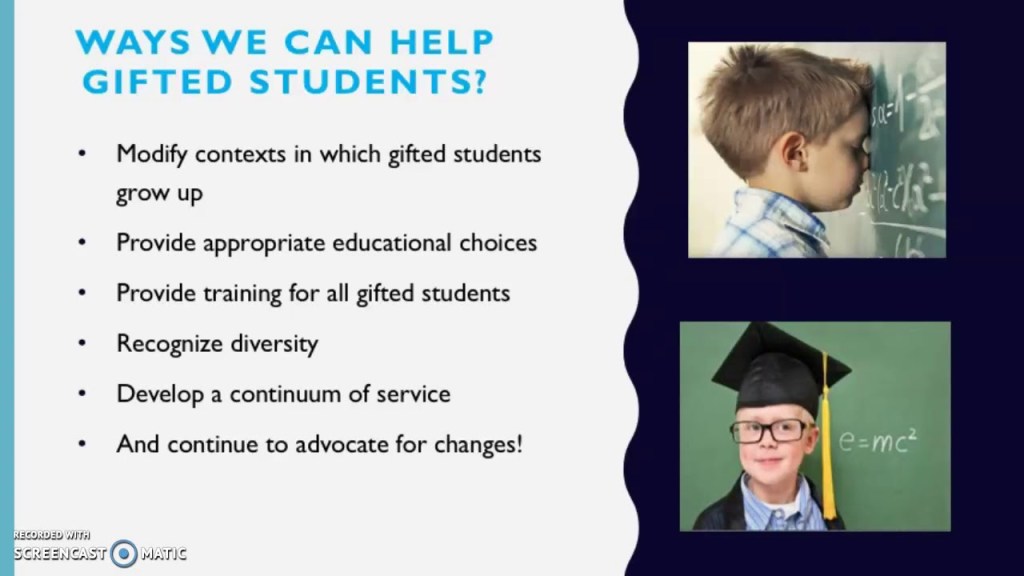
Arts Education for Gifted Students: Nurturing Creativity and Excellence
Gifted students possess exceptional abilities and talents that set them apart from their peers. To ensure they reach their full potential, it is crucial to provide them with an education that caters to their unique needs. One area that can greatly benefit gifted students is arts education. By incorporating various art forms into their curriculum, these students can further develop their creativity, critical thinking skills, and self-expression.
One of the key benefits of arts education for gifted students is the enhancement of creativity. The arts provide a platform where these students can explore different mediums such as visual arts, music, dance, drama, and more. Engaging in artistic activities encourages divergent thinking and allows them to break free from traditional patterns of thought. This helps foster innovative ideas and problem-solving skills that will serve them well throughout their lives.
Moreover, arts education supports the development of critical thinking skills in gifted students. Through analyzing works of art or participating in creative projects, they learn how to interpret symbols and meanings embedded within artistic expressions. This ability translates beyond the realm of art into other subjects as well since critical thinking is a valuable skill across all disciplines.
Arts also offer a powerful outlet for self-expression among gifted students who may struggle with conventional methods of communication. By engaging in artistic endeavors like painting or writing poetry, they can express complex emotions or concepts that might be challenging to convey verbally. This not only enhances their emotional intelligence but also enables others to gain insight into their unique perspectives.
Furthermore, incorporating arts education into the curriculum helps nurture collaboration skills among gifted students. Group projects involving music ensembles or theatrical productions require teamwork and effective communication between participants — essential qualities for success in any field later in life.
To implement effective arts education for gifted students:
1) Provide access to diverse art forms: Offer opportunities for learning various types of visual arts (painting/drawing/sculpting), performing arts (music/theater/dance), and literary arts (writing/poetry).
2) Encourage exploration and experimentation: Allow students to engage in different art forms, encouraging them to discover their strengths and passions.
3) Offer mentorship programs: Connect gifted students with professional artists who can guide and inspire them further in their artistic journey.
4) Integrate arts education into other subjects: Incorporate art activities within science, math, literature, or history lessons. This interdisciplinary approach enhances learning across multiple domains.
5) Showcase student artwork: Arrange exhibitions or performances that allow gifted students to showcase their creative works. This not only boosts their confidence but also provides valuable feedback from peers and the community.
In conclusion, arts education plays a vital role in nurturing the talents of gifted students. By providing opportunities for creativity, critical thinking, self-expression, and collaboration, we can unlock the full potential of these exceptional individuals. Let us embrace the power of arts education as a fundamental component of alternative schooling for gifted students.
 Alternative Amie
Leave a comment