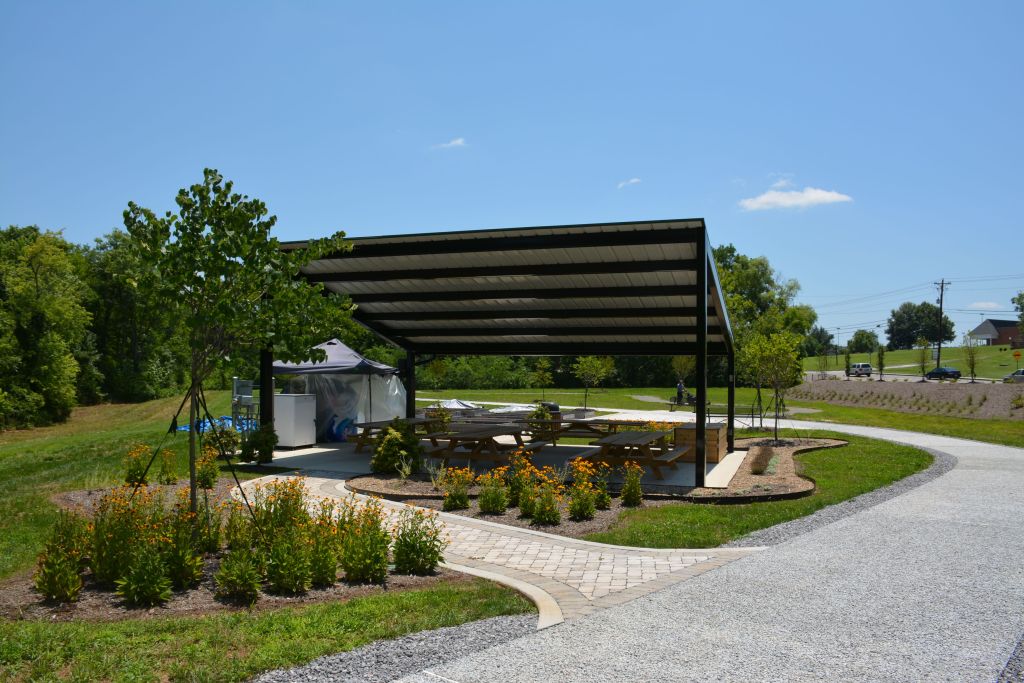
Outdoor learning spaces provide a unique and engaging setting for students to explore, discover, and learn. These spaces offer a break from the traditional classroom environment and allow children to connect with nature while gaining valuable knowledge across various subjects. From gardens and forests to outdoor classrooms and playgrounds, alternative schools are increasingly incorporating outdoor learning spaces into their curriculum. In this article, we will explore the top 10 outdoor learning spaces that are transforming education.
1. Forest Schools: Forest schools take place in natural environments such as woodlands or forests. They focus on experiential learning through hands-on activities like building shelters, identifying plants and animals, and practicing survival skills. Forest schools promote independence, resilience, problem-solving abilities, teamwork, and communication skills.
2. Outdoor Classrooms: These designated areas within school grounds provide an open-air space for teaching lessons across different subjects. Equipped with whiteboards or blackboards along with seating arrangements under shade structures or trees, outdoor classrooms foster creativity while enabling educators to deliver lessons in a refreshing atmosphere.
3. Sensory Gardens: Sensory gardens engage all five senses – sight, sound, smell touch, taste – providing students with immersive experiences that enhance their sensory development. With aromatic flowers and herbs to touch-and-feel stations featuring various textures of leaves or bark accompanied by soothing sounds of wind chimes or running water fountains; sensory gardens create calm environments perfect for reflection and mindfulness exercises.
4. Community Gardens: Community gardens encourage students’ participation in cultivating fruits, vegetables or flowers collectively alongside teachers or community members who can guide them in planting techniques while discussing topics related to agriculture science such as soil composition or photosynthesis processes.
5. Nature Trails: Nature trails offer opportunities for exploration where students can observe ecosystems up close while hiking through different terrains like meadows or wetlands discovering diverse flora/fauna species along the way guided by informative signposts created by educators which explain interesting facts about biodiversity found within the area.
6. Eco-Playgrounds: These playgrounds are designed with a focus on sustainability, using eco-friendly materials and incorporating elements that teach children about renewable energy, water conservation, and recycling. They often feature solar panels, rainwater harvesting systems, and recycled play equipment to promote environmental awareness while providing space for physical activity.
7. Amphitheaters: Outdoor amphitheaters provide an ideal setting for performances such as plays, skits, or musical concerts. With natural acoustics and ample seating in a semi-circular arrangement, students get to showcase their artistic talents while enjoying the benefits of fresh air and open space.
8. Wildlife Sanctuaries: Some alternative schools have established wildlife sanctuaries within their premises to help conserve native species and promote ecological understanding among students. These sanctuaries serve as habitats for birds or small animals where students can observe them from designated viewing areas without disturbing their natural environment.
9. Greenhouses: Greenhouses offer controlled environments that allow year-round plant growth irrespective of weather conditions outside. Students can learn about plant life cycles through hands-on experiences like planting seeds, nurturing seedlings into mature plants while understanding concepts such as photosynthesis or germination.
10. Adventure Play Areas: Adventure play areas are designed to challenge children physically and mentally through obstacles like climbing walls or rope courses that encourage problem-solving skills along with fostering teamwork when overcoming challenges together.
In conclusion, outdoor learning spaces provide a multitude of benefits by allowing students to connect with nature while engaging in experiential learning activities across various subjects. From forest schools promoting independence and resilience to sensory gardens enhancing sensory development – these spaces offer alternative approaches to traditional education methods by fostering creativity, environmental awareness, physical fitness, and teamwork skills amongst learners of all ages
 Alternative Amie
Leave a comment