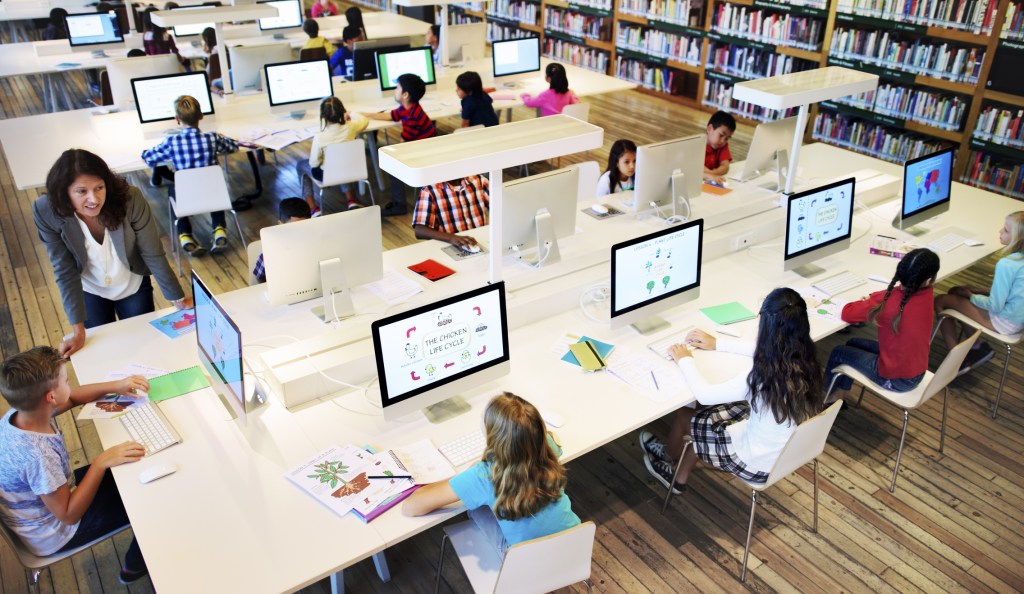
In today’s rapidly evolving world, technology has become an integral part of our lives. From the way we communicate to how we learn, technology has revolutionized every aspect of human existence. As alternative schooling and education continue to gain popularity, it is crucial for educators and parents to understand how technology can enhance learning experiences.
In this article, we will explore the various ways in which technology can be incorporated into alternative schooling and education settings. We’ll discuss its potential benefits as well as some challenges that may arise along the way. So let’s dive right in!
1. Access to Information
One of the most significant advantages of technology in education is access to vast amounts of information. The internet has opened up a world of knowledge at our fingertips, allowing students to explore subjects beyond what traditional textbooks offer. With online resources such as e-books, educational videos, and interactive websites, alternative schools can provide students with a diverse range of learning materials.
2. Personalized Learning
Technology enables personalized learning experiences tailored to individual student needs and preferences. Adaptive learning platforms use algorithms to analyze student performance data and adjust instructional content accordingly. This approach ensures that each student receives targeted instruction based on their strengths and weaknesses.
Additionally, digital tools like online assessments or quizzes allow students to progress at their own pace while providing immediate feedback on their performance. This flexibility promotes self-paced learning and fosters intrinsic motivation among students.
3. Collaboration Opportunities
Technology offers numerous collaborative opportunities for students both within and outside the classroom walls. Online platforms like Google Docs or Microsoft Teams enable real-time collaboration on projects or assignments between peers from different locations.
Furthermore, social media platforms have expanded communication channels where students can connect with others who share similar interests or passions related to their studies.
4. Engaging Content Delivery
Traditional teaching methods often struggle with keeping students engaged throughout lessons; however, incorporating technology into lesson plans can help overcome this challenge by making content delivery more interactive and captivating. Teachers can use multimedia presentations, educational apps, or simulations to make complex concepts more accessible and engaging.
For instance, virtual reality (VR) technology can transport students into immersive learning environments that would otherwise be impossible to experience in a traditional classroom. This hands-on approach enhances understanding and retention of information.
5. Enhancing Creativity
Technology opens up avenues for students to express their creativity and showcase their talents in unique ways. Alternative schools can introduce digital media tools such as video editing software or graphic design platforms, allowing students to create multimedia projects or develop web-based portfolios.
Moreover, coding programs like Scratch or Arduino enable students to explore the world of programming, fostering logical thinking and problem-solving skills while nurturing their creative potential.
6. Global Connections
Technology has transformed how we connect with people around the world, breaking down geographical barriers. With video conferencing tools like Zoom or Skype, alternative schools can facilitate virtual exchanges between classrooms located in different countries or cultures. Such interactions provide invaluable opportunities for cross-cultural learning and understanding.
Online forums or discussion boards also enable students to participate in global conversations on various topics of interest outside the confines of their physical classrooms.
7. Special Needs Education
Technology offers immense potential for supporting special needs education by providing personalized support systems tailored to individual requirements. Assistive technologies such as text-to-speech software, screen readers, or speech recognition tools empower differently-abled students by removing barriers that impede their learning process.
Alternative schools embracing technology can ensure inclusivity and provide equal opportunities for all learners regardless of their abilities.
Challenges:
Alongside the benefits mentioned above, incorporating technology into alternative schooling also presents some challenges:
1. Access Disparity: Not all students have equal access to technology due to economic disparities or lack of infrastructure in certain regions; therefore, ensuring equitable access becomes crucial.
2. Digital Literacy: Students need guidance on using digital tools effectively and responsibly; hence it is essential for educators to provide digital literacy training.
3. Distractions: The abundance of technology can lead to distractions if not used judiciously. Alternative schools must strike a balance between leveraging technology for educational purposes while teaching students responsible usage habits.
4. Privacy and Security Concerns: Technology usage in education requires safeguarding personal information and ensuring data privacy. Schools should adopt robust cybersecurity measures to protect student data from unauthorized access.
In conclusion, technology has the potential to revolutionize alternative schooling and education by providing enhanced access to information, personalized learning experiences, collaborative opportunities, engaging content delivery, fostering creativity, expanding global connections, and supporting special needs education.
However, it is crucial for educators and parents alike to be mindful of the challenges that may arise with increased technology integration. By addressing these challenges proactively while harnessing the benefits of technology effectively, alternative schools can create inclusive and enriching learning environments for all students in this digital age.
 Alternative Amie
Leave a comment