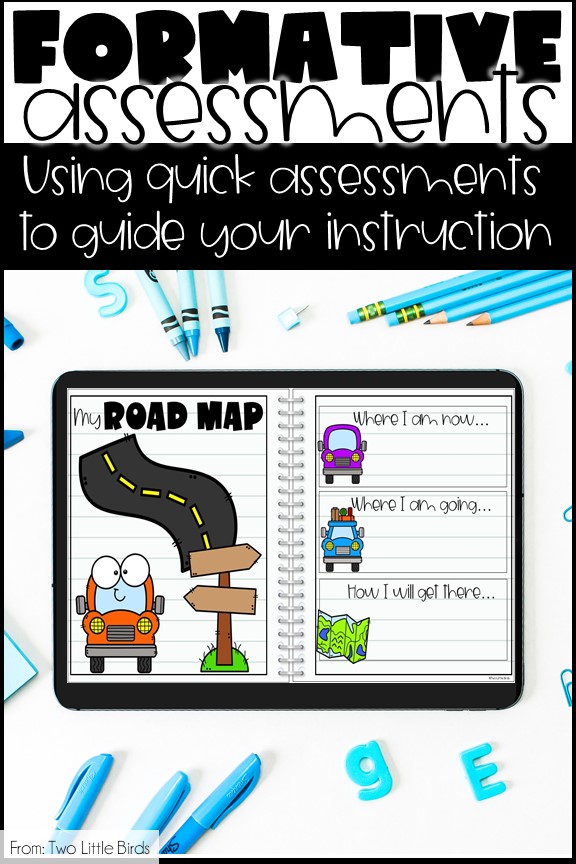
Formative assessments play a crucial role in the educational process, allowing teachers to gauge their students’ understanding and progress throughout a unit or course. Unlike summative assessments that are typically given at the end of a unit or course to measure overall learning outcomes, formative assessments are ongoing and provide immediate feedback to both students and teachers.
One of the main benefits of formative assessments is their ability to inform instruction. By regularly assessing student understanding, teachers can identify areas where students may be struggling and adjust their teaching methods accordingly. This allows for personalized instruction tailored to each student’s needs, ultimately leading to improved learning outcomes.
There are various types of formative assessments that educators can employ in the classroom. One common type is questioning techniques. By asking open-ended questions during class discussions or individual conversations, teachers can assess student comprehension levels in real-time. This helps them determine if further explanation or clarification is necessary.
Another effective formative assessment method is quizzes or short tests administered during instructional units. These quick checks allow teachers to evaluate whether students have grasped key concepts before moving on to more complex material. Additionally, these quizzes give students an opportunity to self-assess their own understanding and identify areas they need additional practice in.
Observation-based assessments are also valuable tools for gauging student progress. Teachers can observe how well students engage with activities, follow instructions, collaborate with peers, and apply learned skills. By observing these behaviors, educators gain insights into individual strengths and weaknesses that may not be evident through traditional testing methods.
Technology integration has significantly enhanced formative assessment practices as well. Online platforms enable interactive quizzes and games that provide immediate feedback on correct answers while identifying areas for improvement. These digital tools often generate detailed reports allowing both teachers and parents/guardians to track progress over time.
Lastly, it is important for teachers to involve students actively in the assessment process by promoting self-reflection and goal setting. Students benefit from being aware of their own progress and taking ownership of their learning journey. By setting goals, students can work towards specific targets, monitor their own growth, and make adjustments as needed.
In conclusion, formative assessments are an integral part of the educational process in alternative schooling and traditional classrooms alike. They provide teachers with valuable insights into student understanding and inform instructional decisions. From questioning techniques to observation-based assessments and technology integration, there are various methods available for educators to implement formative assessments effectively. By utilizing these tools, teachers can support student learning by tailoring instruction to individual needs and fostering a culture of continuous improvement.
 Alternative Amie
Leave a comment