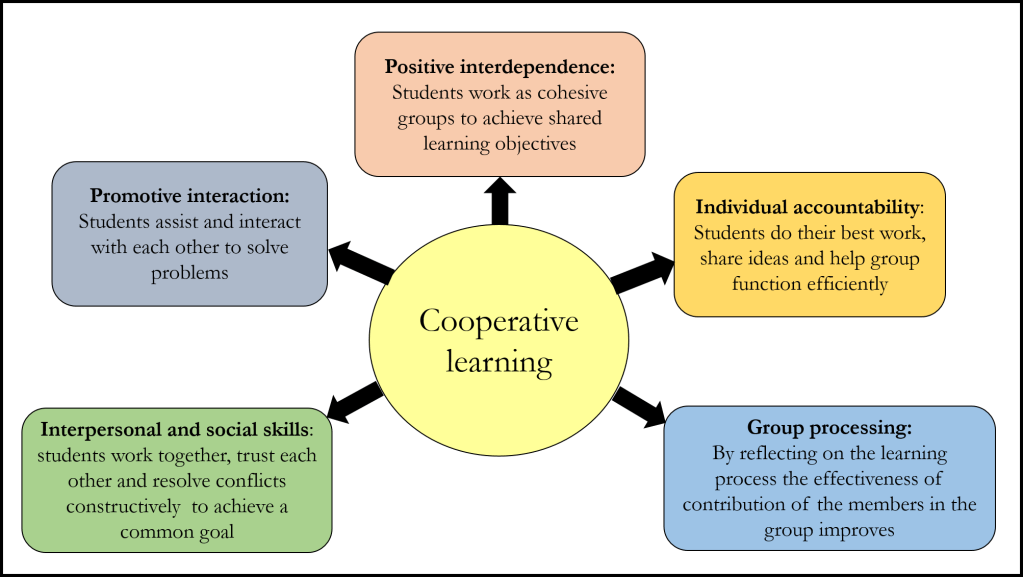
The Jigsaw method is a popular cooperative learning strategy that promotes active engagement and collaboration among students. In this approach, students are divided into small groups, with each group member assigned a specific topic or piece of information to become an expert in. After individual research and preparation, the students then come together to share their knowledge with their group members. This not only encourages individual responsibility but also fosters communication skills and teamwork.
Role-playing activities are another effective way to engage students in cooperative learning. By taking on different roles or characters, students can explore different perspectives, practice problem-solving skills, and enhance their understanding of complex concepts. For example, in a history class, students could reenact a historical event or debate important issues from the past. Through these activities, students not only develop empathy and critical thinking skills but also learn how to effectively collaborate with others.
Peer tutoring is an integral aspect of alternative schooling that promotes both academic growth and social-emotional development. In this approach, older or more experienced students serve as tutors for their peers who may need additional support or guidance. Peer tutoring allows for personalized instruction while encouraging peer-to-peer interaction, building self-confidence among both the tutor and the student receiving assistance.
The group investigation approach is designed to encourage deep exploration of a particular topic by allowing students to work collaboratively on an inquiry-based project. Students form small groups and are given a guiding question or problem to investigate together. Through shared research, analysis of data, and discussion, they collectively construct knowledge about the topic at hand while developing critical thinking skills along the way.
Collaborative writing exercises provide opportunities for alternative education settings where creativity is valued alongside academic achievement. Students work together in small groups to brainstorm ideas, plan content structure, compose drafts collectively using technology tools such as Google Docs or Padlet ,and edit each other’s work before producing a final product as a team effort . Collaborative writing not only enhances written communication skills but also promotes collaboration, compromise, and respect for diverse perspectives.
Problem-based learning in cooperative groups engages students in solving real-world problems or challenges. By presenting open-ended and authentic scenarios, students are motivated to apply their knowledge and skills to develop creative solutions. Through working together in groups, students learn how to think critically, communicate effectively, and collaborate towards a common goal.
Cooperative learning strategies can be particularly beneficial when it comes to project-based assignments. By dividing larger projects into smaller tasks or roles within a group setting, students can leverage each other’s strengths and complement each other’s weaknesses. This approach not only enhances teamwork skills but also allows for the development of important project management skills such as task delegation, time management, and accountability.
Technology has revolutionized collaborative learning experiences by providing tools that facilitate communication and information sharing among students. Online platforms like Google Classroom or Microsoft Teams enable seamless collaboration on shared documents or virtual discussions. Video conferencing tools allow for remote participation in group activities even when physical proximity is not possible. These technological advancements promote inclusivity while enhancing the efficiency of cooperative learning.
Cooperative learning goes beyond academic outcomes; it also plays an essential role in social-emotional development. When working collaboratively with peers, students learn important interpersonal skills such as active listening, empathy-building, conflict resolution techniques ,and perspective-taking exercises which contribute to their overall emotional intelligence growth.
Implementing cooperative learning in a multi-age classroom is an effective way to foster peer mentoring relationships while promoting cross-age friendships . Older students can serve as mentors or tutors for younger ones ,creating a supportive environment where everyone benefits from shared knowledge exchange .
Differentiated instruction is seamlessly integrated into cooperative learning settings .By allowing individual interests ,learning styles,and abilities ,students have the opportunity to work at their own pace while still participating actively within the group dynamic .
Incorporating art and creativity into cooperative learning activities adds another layer of engagement for alternative education learners.Artistic expression can be integrated into projects , presentations or performances to encourage students to think outside the box and develop their creative skills in collaboration with others.
Cooperative learning is also highly effective for students with special needs. By working collaboratively, these students are provided with additional support, resources, and opportunities to learn from their peers. This inclusive approach helps foster a sense of belonging, boosts self-esteem, and promotes social integration among all students.
Outdoor experiential activities provide an exciting opportunity for alternative education settings where hands-on learning is valued. Through outdoor team-building exercises or field trips that promote cooperative problem-solving and communication skills ,students have the chance to apply what they have learned in a real-world context while enjoying nature’s benefits.
Building teamwork skills through cooperative learning prepares students for success in future endeavors such as college, career pathways, or community involvement. As they collaborate on various tasks or projects, alternative education learners develop essential skills like active listening, effective communication ,and understanding diverse perspectives which are vital for successful team collaborations later in life .
Assessing individual contributions within a group setting can sometimes be challenging; however, it is crucial to ensure fairness and accountability. Teachers can utilize rubrics that evaluate both individual effort and group dynamics. Peer evaluations can also be incorporated to provide valuable feedback regarding each member’s contribution to the overall project.
Fostering critical thinking through cooperative discussions allows students to engage deeply with content by analyzing different viewpoints ,evaluating evidence ,and constructing well-reasoned arguments .By encouraging respectful debate within groups ,alternative education settings create spaces where divergent ideas are valued while promoting intellectual growth.
Conflict resolution strategies play a vital role in maintaining positive group dynamics during cooperative learning activities. Teachers should establish clear guidelines for constructive disagreement and provide tools for resolving conflicts when they arise. These may include active listening techniques ,mediation processes,and teaching negotiation skills that empower students to resolve conflicts independently .
Promoting student autonomy and self-regulation is an important aspect of cooperative learning. By providing students with opportunities to make decisions, set goals, and manage their own learning within the group context, alternative education environments foster independence and self-motivation.
Cultivating empathy and perspective-taking through cooperative tasks helps students develop a greater understanding of diverse perspectives and experiences. Activities that require students to step into the shoes of others promote empathy-building ,compassion ,and a sense of global citizenship.
In conclusion, cooperative learning offers numerous benefits for alternative education settings. From enhancing academic achievement to promoting social-emotional development, these strategies provide students with valuable skills that will benefit them throughout their lives. By incorporating various approaches such as role-playing activities, peer tutoring, collaborative writing exercises, problem-based learning, outdoor experiential activities, and more into their teaching practices educators can create engaging and inclusive classrooms where every student has the opportunity to thrive.
 Alternative Amie
Leave a comment