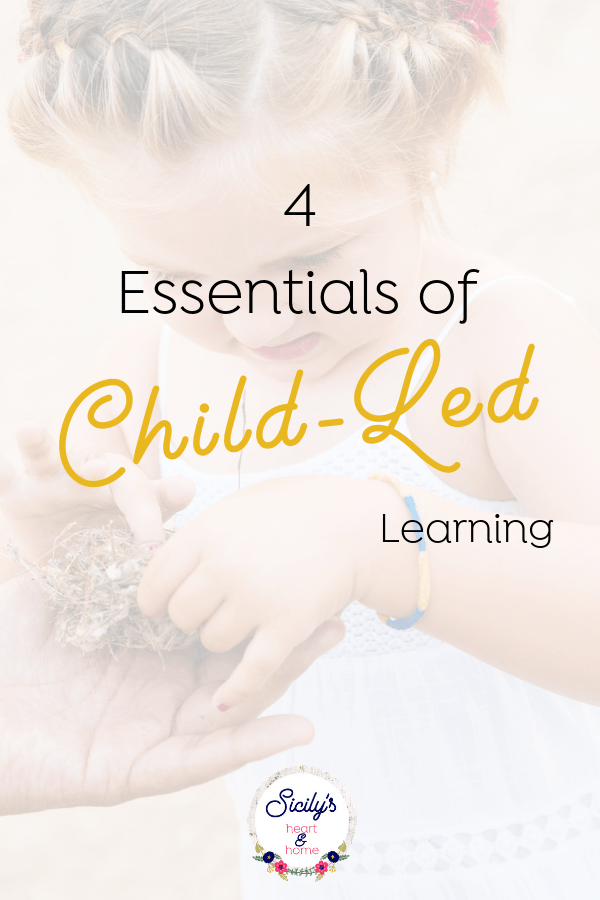
Natural learning, also known as unschooling or child-led learning, is a progressive educational approach that emphasizes the importance of allowing children to learn through their own interests and experiences. Rather than following a traditional curriculum and structured classroom environment, natural learning encourages children to explore their passions and develop skills in a more organic and self-directed manner.
In recent years, there has been a growing interest in alternative schooling methods that break away from conventional teaching models. Natural learning is at the forefront of this movement, offering an empowering and liberating educational experience for both children and their parents. Here are 15 reasons why natural learning is gaining popularity:
1. Individualized Learning: Natural learning recognizes that each child has unique strengths, weaknesses, interests, and ways of processing information. By tailoring education to individual needs rather than adhering to standardized approaches, natural learning allows children to progress at their own pace.
2. Freedom to Explore: In natural learning environments, children have the freedom to explore subjects they are genuinely interested in without being limited by rigid syllabi or schedules. This fosters a love for lifelong learning as they pursue knowledge driven by curiosity instead of external pressures.
3. Authentic Learning Experiences: Traditional classrooms often struggle with providing real-world relevance for what students are studying. Conversely, natural learning encourages hands-on experiences that connect academic concepts with practical applications in everyday life.
4. Holistic Development: Natural learners have the opportunity to develop not only academically but also emotionally, socially, physically, and creatively. These holistic aspects of development are given equal importance alongside intellectual growth.
5. Self-Motivation: When pursuing topics they care about deeply, children become intrinsically motivated learners who take responsibility for their education without relying on external rewards or punishments.
6. Critical Thinking Skills: Natural learners frequently engage in problem-solving activities that require critical thinking skills such as analysis, evaluation, synthesis – essential abilities for success in today’s rapidly changing world.
7. Flexibility and Adaptability: By embracing natural learning, children learn to adapt to different situations and environments, preparing them for a future where flexibility is paramount. They develop resilience in the face of challenges and become comfortable with uncertainty.
8. Emotional Intelligence: Traditional schooling often prioritizes academic achievement over emotional well-being. Natural learning recognizes the importance of emotional intelligence by allowing children to navigate their emotions, build healthy relationships, and develop self-awareness.
9. Nurturing Passions: Natural learners have the freedom to focus on their passions intensely, leading to deep expertise in specific areas that can open doors for future opportunities or careers.
10. Autonomy and Independence: Through natural learning, children gradually gain autonomy over their education choices, which fosters independence and self-reliance while building essential life skills.
11. Enhanced Creativity: Without rigid structures or predetermined outcomes, natural learners are encouraged to think outside the box, explore unconventional ideas, and express themselves creatively through various mediums.
12. Community Engagement: Contrary to popular misconceptions about socialization in alternative education settings, natural learners often engage with diverse communities that extend beyond age groups or traditional classrooms. This exposure helps build empathy and understanding from an early age.
13. Unleashing Intrinsic Talents: Traditional education tends to prioritize certain subjects while neglecting others that may be more aligned with a child’s innate talents or interests. Natural learning allows these talents to flourish naturally without constraints or limitations.
14. Lifelong Learning Mindset: By experiencing a love for learning firsthand rather than viewing it as a chore or obligation imposed upon them externally, natural learners are more likely to continue pursuing knowledge throughout their lives.
15. Parent-Child Bonding: Finally but significantly, natural learning strengthens the parent-child bond as parents actively participate in their child’s educational journey by supporting their interests rather than merely acting as authority figures overseeing homework completion.
In conclusion, natural learning offers a refreshing and effective alternative to traditional schooling. This child-led, interest-driven approach harnesses the power of intrinsic motivation, individualization, and real-world experiences to foster lifelong learners who are equipped with critical thinking skills, emotional intelligence, adaptability, and a deep understanding of their own passions. As more parents recognize the benefits of natural learning, this educational movement continues to gain popularity as a viable option for providing children with an enriching education that prepares them for success in all aspects of life.
 Alternative Amie
Leave a comment