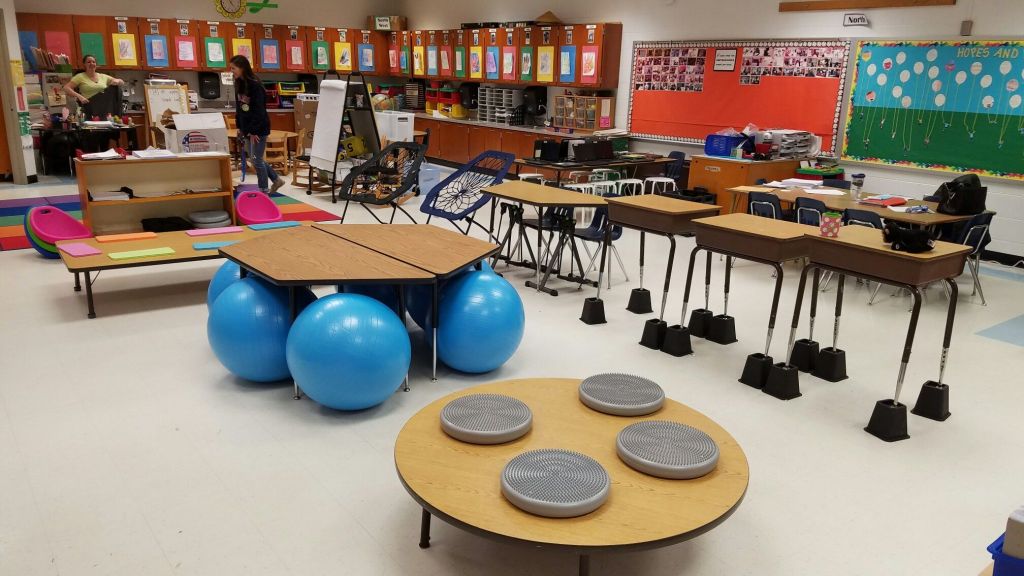
In recent years, there has been a growing trend towards alternative seating options in various settings, including schools, offices, and even homes. These alternatives to traditional chairs and desks aim to provide more flexibility and comfort for users. Let’s explore some of these innovative seating options and their potential benefits.
1. Standing Desks: Standing desks have gained popularity as they allow individuals to work while standing up rather than sitting down all day. This can help improve posture, reduce the risk of obesity-related diseases, increase productivity, and even boost energy levels.
2. Bean Bag Chairs: Bean bag chairs offer a relaxed and cozy seating experience. They mold themselves to the user’s body shape, providing optimal support and comfort. These chairs are often used in informal spaces like lounges or break rooms, encouraging relaxation during short breaks.
3. Hammocks: While hammocks may not be suitable for every setting due to space constraints, they can be an excellent option for relaxation areas or outdoor environments. The gentle swaying motion promotes stress relief and tranquility.
4. Exercise Balls: Exercise balls are commonly used as an alternative chair option for people seeking improved core strength and better posture. Sitting on a stability ball engages the abdominal muscles which helps maintain balance throughout the day.
5. Floor Cushions: Floor cushions are perfect for creating a relaxed atmosphere in collaborative spaces or classrooms where students can gather around low tables for group discussions or activities comfortably.
6. Wobble Stools: Wobble stools provide an active sitting experience by allowing slight movement in multiple directions while maintaining balance on a rounded base. This helps engage core muscles and encourages better concentration.
7.Rocking Chairs: Rocking chairs offer both physical comfort and mental relaxation through their rhythmic rocking motion that soothes the mind after long hours of work or study.
8.Balance Boards: Balance boards combine standing with subtle movements that challenge your body’s balance system while you work at your desk – helping to improve posture and core strength.
9.Swivel Chairs: Swivel chairs are versatile seating options that allow for easy movement and access to different areas within a room or workspace. They provide flexibility and convenience, especially in collaborative environments.
10. Yoga Mats: Yoga mats can be used as an alternative seating option, providing a comfortable and supportive surface for activities like meditation, stretching, or floor-based work.
11. Crate Seats: Crate seats combine functionality with creativity by repurposing wooden crates into sturdy stools or ottomans. These DIY seating options can be customized with cushions or upholstery to enhance comfort.
12. Lap Desks: Lap desks are portable desks that can be placed on your lap while sitting on the floor, bed, or other surfaces. They provide stability and support for writing, reading, or using electronic devices in various settings.
13.Bungee Chairs: Bungee chairs feature flexible cords that mold to the user’s body shape while offering ergonomic support. The design promotes proper posture and allows for comfortable movement throughout extended periods of sitting.
14.Inflatable Seating Options: Inflatable seating options offer portability and versatility as they can be easily inflated or deflated based on needs. They are lightweight yet durable alternatives suitable for indoor and outdoor use.
15.Meditation Cushions: Meditation cushions provide comfort during mindfulness practices by promoting proper alignment of the spine while seated cross-legged on the floor.
16.Adjustable Height Tables/Desks: Adjustable height tables/desks cater to users’ individual preferences by allowing them to switch between sitting and standing positions effortlessly throughout the day.
17.Outdoor Seating Options: Outdoor seating options such as benches, picnic tables, swings, or hammocks create inviting spaces where people can relax amidst nature’s beauty—making it perfect for educational institutions focused on outdoor learning experiences.
18.Stools with Footrests: Stools equipped with footrests promote better circulation and reduce leg fatigue, making them suitable for long periods of seated work or study.
19.Convertible Furniture: Convertible furniture pieces, such as chairs that can transform into tables or beds, offer flexibility and space-saving solutions for multi-functional areas like small classrooms or shared office spaces.
20.Floor Pillows: Floor pillows are oversized cushions that provide comfortable seating on the floor. They are ideal for informal settings where individuals can gather closely together for discussions or group activities.
21.Lounge Chairs: Lounge chairs offer a mix of comfort and functionality with their reclined design, providing users with a cozy spot to relax during breaks or creative brainstorming sessions.
22.Folding Chairs: Folding chairs are lightweight and easy to store when not in use. They serve as practical seating options for temporary spaces or events where additional seating is required at short notice.
23.Ergonomic Seating Options: Ergonomic seating options prioritize user comfort by incorporating adjustable features such as lumbar support, armrests, and seat height adjustments. These chairs promote good posture and reduce the risk of musculoskeletal disorders caused by prolonged sitting.
24.Reclining Seats: Reclining seats allow users to adjust their positions based on personal preference—providing relaxation and reducing stress during extended periods of sitting.
25.Padded Benches: Padded benches offer both style and comfort while accommodating multiple individuals simultaneously. They are commonly used in waiting areas, hallways, or communal spaces within educational institutions.
26.Modular Seating Arrangements: Modular seating arrangements consist of individual pieces that can be rearranged to create various configurations based on spatial needs. This versatility allows for collaborative environments tailored to specific activities or group sizes.
27.Cafeteria-Style Seating: Cafeteria-style seating provides an informal setting with long tables and benches typically found in dining halls. It encourages interaction among students during meal times while maximizing available space efficiently.
28.Poufs/Ottomans: Poufs or ottomans offer a versatile seating option that can be used as footrests, side tables, or additional seating in small spaces. They are lightweight and easy to move around.
29.Saddle Stools: Saddle stools promote better posture by encouraging a more ergonomic sitting position. The design resembles that of a horse saddle, providing stability and comfort for extended periods of seated work.
30.Hokki Stools: Hokki stools feature rounded bottoms that allow for subtle movement while sitting. Designed with flexibility in mind, they help engage core muscles and enhance concentration—ideal for alternative education environments where active learning is encouraged.
In conclusion, the variety of alternative seating options available today offers numerous benefits beyond traditional chairs and desks. From standing desks to meditation cushions and everything in between, these innovative solutions cater to different needs and preferences while promoting comfort, flexibility, improved posture, enhanced productivity, relaxation, and collaboration within various settings such as schools or offices.
 Alternative Amie
Leave a comment