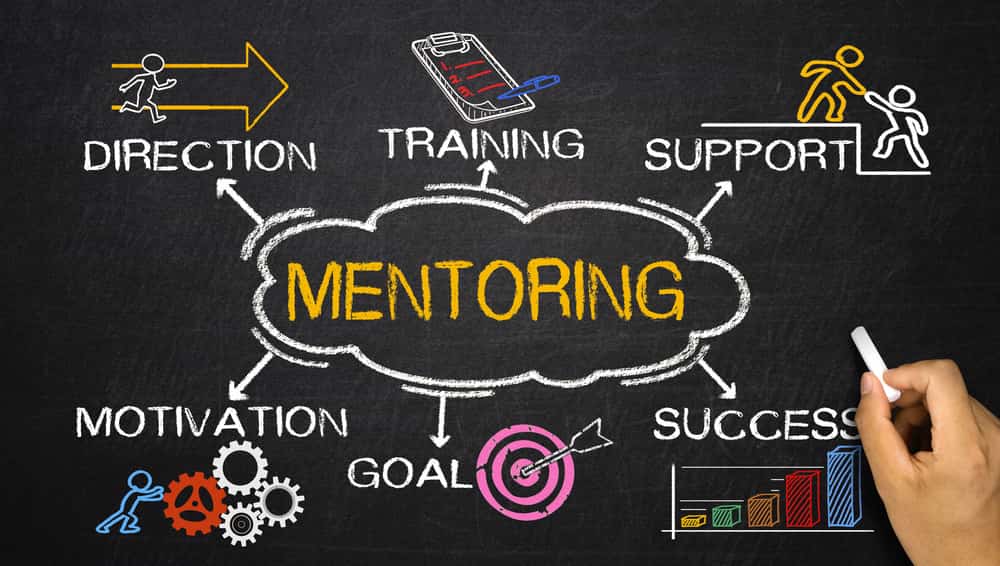
Mentorship has long been recognized as a valuable tool in education, providing guidance and support to students as they navigate their academic journeys. In the realm of alternative schooling, mentorship takes on an even greater significance. With its focus on non-traditional approaches to learning, alternative education benefits greatly from the presence of mentors who can help students explore new paths, develop essential skills, and foster personal growth.
One of the key benefits of mentorship in alternative education is the personalized support it offers. Unlike traditional classrooms where teachers are responsible for a large number of students, mentors in alternative settings are able to dedicate more one-on-one time with their mentees. This individual attention allows for a deeper understanding of each student’s unique needs and interests, enabling mentors to tailor their guidance accordingly.
Finding the right mentor for alternative schooling can be a crucial step towards success. It is important for mentors to have expertise or experience related to the specific field that students are interested in pursuing. For example, if a student is passionate about filmmaking, having a mentor who has worked in the film industry can provide invaluable insights and advice. Additionally, mentors should possess good communication skills and be able to build strong relationships with their mentees.
Many alternative schools have implemented formal mentorship programs within their non-traditional learning environments. These programs aim to match students with experienced professionals who can guide them through various aspects of their educational journey. Mentors may assist with project-based learning initiatives by offering feedback and suggestions or provide career exploration opportunities by introducing students to different industries or job shadowing experiences.
In project-based learning (PBL), which is a cornerstone of many alternative education models, mentors play an integral role in guiding students through real-world projects. They act as facilitators rather than instructors by asking thought-provoking questions and encouraging critical thinking skills. By acting as sounding boards for ideas and helping students refine their projects based on practical considerations, mentors enhance the learning experience and foster creativity and innovation.
Peer-to-peer mentoring is another valuable aspect of alternative education. In this model, older or more experienced students are paired with younger or less experienced ones to provide guidance and support. Peer mentors can offer a unique perspective, as they have recently navigated similar challenges and can relate on a deeper level. This type of mentoring fosters a sense of community among students and encourages collaboration and cooperation.
Students with special needs also greatly benefit from mentorship in alternative schools. Mentors who specialize in working with individuals with disabilities can provide tailored support, accommodations, and strategies to help these students succeed academically and personally. The mentor-mentee relationship becomes even more crucial for these students as it provides them with an additional layer of emotional support.
Building a strong mentor-mentee relationship is essential in alternative education settings. Trust, respect, open communication, and shared goals are the foundations upon which such relationships are built. Regular meetings between mentors and mentees allow for ongoing guidance, feedback exchange, goal setting, problem-solving discussions, and encouragement. These relationships often extend beyond the academic realm into personal growth areas such as developing resilience or building self-confidence.
Mentorship also plays a vital role in promoting career exploration in non-traditional fields within alternative education settings. Many traditional educational systems focus primarily on preparing students for mainstream careers but may neglect areas like entrepreneurship or creative industries. Mentors who have firsthand experience in these fields can expose students to unconventional career paths while providing valuable insights into their specific industries.
Apart from career exploration benefits, mentorship serves as a powerful tool for personal growth and development in alternative schooling environments. Mentors act as role models who inspire mentees to set ambitious goals while providing guidance on how to achieve them through perseverance and hard work. They encourage self-reflection by asking probing questions that help mentees gain clarity about their values, strengths, weaknesses, aspirations, and areas for personal growth.
Mentoring strategies that foster creativity and innovation are particularly valuable in alternative education. These strategies can include encouraging mentees to think outside the box, embrace failure as a learning opportunity, take risks, experiment with new ideas, and challenge conventional thinking. By nurturing these qualities, mentors help students develop the skills necessary to thrive in an ever-evolving world.
Social-emotional learning (SEL) is another area where mentorship has a significant impact in alternative schools. Mentors provide emotional support, empathy, and guidance to help students navigate their emotions effectively. They assist mentees in developing self-awareness, self-regulation, social awareness, relationship-building skills, and responsible decision-making abilities. This holistic approach to education ensures that students not only gain academic knowledge but also develop into well-rounded individuals.
At-risk youth often find themselves struggling within traditional educational settings due to various external factors such as poverty or unstable home environments. In non-conventional educational settings like alternative schools or programs designed specifically for at-risk youth, mentorship becomes a crucial lifeline of support. Mentors act as positive role models who offer guidance and encouragement while helping these students overcome obstacles and achieve academic success.
The impact of mentorship on academic achievement in alternative education programs cannot be overstated. Research shows that having a mentor leads to higher attendance rates, increased motivation levels among students, improved grades and test scores, enhanced problem-solving abilities, better time management skills, increased confidence in their abilities, decreased dropout rates – all contributing factors towards overall academic success.
Cultivating leadership skills through mentoring is yet another benefit offered by alternative schooling environments. Mentors can help identify leadership potential within their mentees and provide opportunities for them to further develop those qualities through hands-on experiences such as leading group projects or organizing events. The presence of mentors fosters a sense of responsibility among students while providing them with the tools needed to become effective leaders.
Inclusivity and diversity are core principles in alternative education, and mentorship plays a vital role in promoting these values. Mentors from diverse backgrounds help create an inclusive environment where students feel valued, understood, and represented. By fostering relationships between mentors and mentees from various cultural, racial, ethnic, or socioeconomic backgrounds, alternative schools promote understanding, empathy, and respect for differences.
Alternative education pathways often extend beyond the traditional classroom setting. Mentorship opportunities outside the classroom provide students with valuable real-world experiences that complement their academic learning. These opportunities can include internships, apprenticeships, community service projects or partnerships with local businesses or organizations. Such experiences offer practical insights into different industries while allowing students to apply their skills in a meaningful way.
The role of mentors extends beyond guiding students towards self-directed learning; they also support parents in navigating the world of alternative education. Homeschooling families can benefit greatly from mentorship models that provide guidance on curriculum choices, teaching methodologies and techniques tailored to individual student needs. Mentors act as valuable resources for homeschooling parents by sharing knowledge and expertise while offering reassurance and encouragement throughout the educational journey.
In today’s digital age, technology has made it possible to facilitate virtual mentorship experiences in alternative schooling environments. Virtual mentoring allows students to connect with mentors who may be geographically distant but possess relevant expertise or experience within their field of interest. Online communication tools such as video conferencing platforms enable regular interactions between mentors and mentees despite physical distances.
Finally, mentorship programs that bridge the gap between traditional and alternative education systems can have a profound impact on both students’ academic success and personal growth. These programs bring together teachers from traditional schools with mentors from non-conventional settings to create collaborative learning environments that incorporate the best aspects of both approaches. The integration of mentorship into mainstream educational systems helps foster innovation while providing additional support for students who require a more personalized approach.
In conclusion, mentorship is an invaluable component of alternative education. It provides personalized support, promotes career exploration, fosters personal growth and development, enhances academic achievement, cultivates leadership skills, supports social-emotional learning, and promotes inclusivity and diversity. Whether through formal mentorship programs or peer-to-peer interactions, mentors play a crucial role in guiding students towards success in non-traditional learning environments. By embracing the power of mentorship, alternative schools create pathways for students to thrive academically and personally as they forge their own unique educational journeys.
 Alternative Amie
Leave a comment