Small schools offer numerous benefits for students, providing a unique and personalized learning experience that promotes community engagement and fosters strong teacher-student relationships. These alternative education settings often have flexible curricula, encourage project-based learning, integrate technology effectively, and prioritize inclusivity. They also emphasize outdoor and experiential learning, provide resources and support networks, offer creative arts programs, focus on social-emotional development, promote student leadership opportunities, celebrate multiculturalism and diversity, employ alternative assessment methods, facilitate smooth transitions from traditional schooling, prioritize environmental sustainability initiatives, enhance college and career readiness programs for students’ future success. Moreover they provide mental health support services for students in need and incorporate restorative justice practices to create a safe educational environment. Educators in small schools implement innovative teaching strategies that engage students effectively.
One of the significant benefits of small schools is the individual attention that each student receives. With smaller class sizes compared to traditional schools, teachers can tailor their instruction to meet the specific needs of each student. Personalized learning allows educators to identify strengths and weaknesses more easily while providing targeted interventions or enrichment activities accordingly.
Community engagement is another key aspect of alternative education. Small schools often have close-knit communities where parents are actively involved in their child’s education. This involvement creates a supportive environment where everyone feels invested in the success of each student.
The curriculum options available in small schools are diverse and flexible. Educators have the freedom to design curricula that align with their students’ interests while meeting academic standards. This flexibility allows for interdisciplinary approaches that foster critical thinking skills and creativity.
Teacher-student relationships play a vital role in small school settings as well. With fewer students to interact with daily compared to larger institutions, teachers can build stronger connections with each child individually. These meaningful relationships contribute significantly to fostering positive attitudes towards learning.
Project-based learning is an instructional method commonly used in small schools due to its effectiveness in engaging students deeply in their education. By working on real-world projects, students develop problem-solving skills, collaborate with their peers, and apply their knowledge to practical situations.
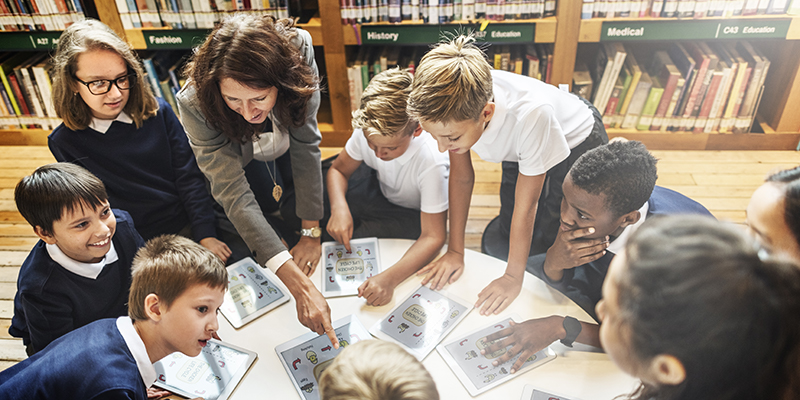
Technology integration is also an essential aspect of alternative education. Small schools often have the advantage of providing students with access to technology tools such as laptops or tablets. Educators can leverage these resources to enhance learning experiences through interactive online platforms, virtual field trips, and multimedia presentations.
Inclusivity is a core value in small schools. These institutions strive to create an environment where all students feel valued and supported regardless of their background or abilities. Inclusive practices ensure that every student’s needs are met through accommodations, modifications, and differentiated instruction.
Outdoor and experiential learning opportunities are common in small schools as well. Taking advantage of nearby natural environments or partnering with local organizations allows students to engage in hands-on activities that promote environmental stewardship, teamwork, and personal growth.
Small schools provide extensive resources and support networks for both teachers and students. Professional development opportunities help educators stay updated on the latest research-based teaching strategies while fostering collaboration among staff members. Students benefit from counseling services, academic support programs, clubs, extracurricular activities that cater to various interests.
Creative arts programs thrive in small school settings due to the emphasis placed on holistic education. Music classes, theater productions, visual arts workshops enable students to express themselves creatively while developing important skills like self-discipline and teamwork.
Social-emotional development is a priority in alternative education settings. Small schools recognize the importance of nurturing emotional intelligence alongside academic growth by offering social-emotional learning curricula and incorporating mindfulness practices into daily routines.
Flexibility is another hallmark of small schools; they can adapt quickly to meet changing educational needs or trends effectively without bureaucratic obstacles faced by larger institutions.The ability to tailor instruction based on individual student needs contributes significantly towards achieving success for each learner.
Small school success stories are abundant across different communities worldwide; these case studies demonstrate how alternative education can positively impact students’ lives. They highlight the transformative power of personalized, engaging, and supportive learning environments.
Parent involvement is highly valued in small schools. Parents are encouraged to participate actively in their child’s education through regular communication with teachers, volunteering opportunities, parent-teacher associations, and family engagement events.
Differentiated instruction ensures that all students receive instruction tailored to their unique needs and abilities. Teachers employ various instructional strategies, materials, assessments to accommodate diverse learners effectively.
Student leadership opportunities abound in small schools as well. Students are encouraged to take on leadership roles within the school community by participating in student councils or organizing events. These experiences help develop important skills such as decision-making, collaboration, and responsibility.
Multiculturalism and diversity are celebrated in small schools. These institutions recognize the importance of exposing students to different cultures and perspectives through inclusive curricula that reflect a wide range of identities and histories.
Alternative assessment methods go hand-in-hand with personalized learning approaches used in small schools. Educators use authentic assessments such as portfolios or presentations alongside traditional tests to evaluate student progress accurately.
Transitioning from traditional schooling to alternative education can be seamless for students due to the adaptability of small schools. Supportive staff members guide students through this transition period while ensuring their academic success during this adjustment phase.
Environmental sustainability initiatives are often incorporated into the curriculum at small schools. Through programs like recycling campaigns or gardening projects, students learn about environmental stewardship firsthand while developing an appreciation for nature.
College and career readiness programs equip alternative education students with essential skills needed for future success beyond high school graduation. Small schools provide guidance on college applications, offer vocational training courses if applicable ,and foster career exploration opportunities through internships or mentorship programs.
Mental health support services play a crucial role in ensuring student well-being at small schools too .These institutions prioritize mental health by providing access to counselors who offer emotional support ,coping strategies,and intervention plans when necessary .
Restorative justice practices are effective in alternative education settings, fostering a sense of community and teaching conflict resolution skills. These schools prioritize repairing harm caused by wrongdoing and focusing on personal growth rather than punishment.
Educators at small schools employ innovative teaching strategies to engage students actively in their learning. Examples include flipped classrooms, game-based learning, project-based assessments, or inquiry-based instruction. These approaches promote critical thinking, problem-solving abilities while fostering creativity among students.
In conclusion, small schools offer numerous benefits that support student success both academically and personally. From personalized learning to community engagement, these institutions provide a nurturing environment where students can thrive. With flexible curricula, strong teacher-student relationships, project-based learning opportunities enriched with technology integration and inclusive practices; small schools prepare students for future success through creative arts programs ,social-emotional development initiatives ,leadership opportunities,and multiculturalism celebrations . Alternative assessment methods ensure accurate evaluation of student progress while transitioning from traditional schooling is facilitated smoothly .Environmental sustainability initiatives align with college and career readiness programs that enhance the mental health support services provided to students .Restorative justice practices create safe spaces for growth as educators implement innovative teaching strategies tailored to individual needs within the small school setting.
 Alternative Amie
Leave a comment