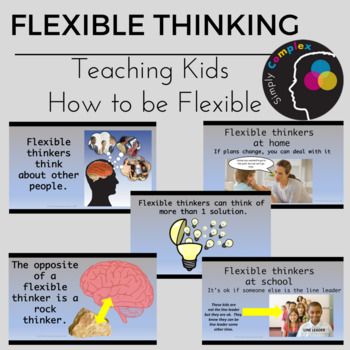
Introduction:
Welcome to the Alternative Schooling and Education website! Today, we are going to delve into the concept of flexible minds and why they are essential in today’s rapidly changing world. As traditional education systems struggle to keep up with the demands of a dynamic society, it becomes crucial for us to explore alternative approaches that foster flexibility and adaptability in learners. In this panel discussion-style post, we will hear from experts who have firsthand experience with flexible minds and discuss how they can be nurtured within educational settings.
Panel Discussion:
1. Expert 1: Dr. Maria Rodriguez – Educational Psychologist
Dr. Rodriguez begins by explaining that a flexible mind refers to an individual’s capacity to think critically, solve problems creatively, embrace change, and adapt their thinking when faced with new situations or information. She emphasizes that fostering flexibility requires providing students with opportunities for exploration, encouraging curiosity, and promoting open-mindedness.
2. Expert 2: John Davis – Founder of an Alternative School
John Davis shares his experience as the founder of an alternative school that places a strong emphasis on developing flexible minds among its students. He believes that traditional education often focuses on rote memorization rather than critical thinking skills needed for success in today’s complex world.
3. Expert 3: Sarah Thompson – Homeschooling Parent
Sarah Thompson discusses her decision to homeschool her children as she recognized the need for them to develop flexible minds early on. She explains how homeschooling allows her children ample space for self-directed learning, enabling them to pursue their interests while also acquiring problem-solving skills through real-life experiences.
4. Expert 4: Dr. Robert Johnson – Neuroscientist
Dr. Johnson sheds light on the neuroscience behind developing flexible minds. He explains that our brains possess neural plasticity—the ability to reorganize itself based on experiences—which makes it possible for individuals of all ages to cultivate flexibility in their thinking patterns through intentional practice.
5. Expert 5: Rebecca Lewis – Teacher at a Montessori School
Rebecca Lewis highlights the importance of providing students with autonomy in their learning journey. She describes how Montessori education promotes flexible minds by allowing children to choose activities and follow their interests within a structured environment, fostering independence and adaptability.
Conclusion:
As our panel discussion comes to an end, it is evident that nurturing flexible minds is essential for preparing learners to thrive in today’s ever-changing world. Whether through alternative schools, homeschooling, or innovative teaching methods like Montessori education, there are various paths towards developing flexibility and adaptability in students.
By embracing critical thinking skills, encouraging curiosity and open-mindedness, creating opportunities for self-directed learning, and leveraging the brain’s neural plasticity, we can equip individuals with the tools they need to navigate challenges effectively and embrace new ideas with ease.
In conclusion, let us strive towards reshaping educational systems worldwide by prioritizing the development of flexible minds—minds that are ready to face whatever lies ahead with resilience and creativity.
 Alternative Amie
Leave a comment