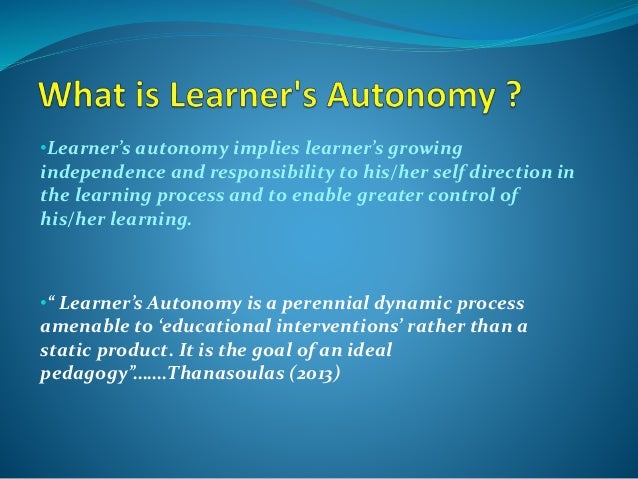
In the traditional education system, students often find themselves confined to a rigid structure that leaves little room for personal exploration and decision-making. However, in recent years, there has been a growing movement towards autonomy in education. This alternative approach recognizes the importance of allowing students to have control over their own learning journey.
Autonomy in education is rooted in the belief that students should be active participants in their own education, rather than passive recipients of knowledge. It encourages self-directed learning and empowers students to take ownership of their academic pursuits. By giving them the freedom to choose what they learn, how they learn it, and at what pace they progress, autonomy allows students to develop a sense of responsibility and agency.
One major aspect of autonomy in education is individualized learning plans. Instead of following a standardized curriculum designed for the average student, educators work with each student to create personalized learning goals based on their interests, strengths, and areas for improvement. This tailored approach ensures that students are engaged and motivated as they pursue topics that genuinely interest them.
Furthermore, autonomy promotes critical thinking skills by encouraging independent thought and inquiry-based learning. Rather than simply memorizing facts or regurgitating information from textbooks, students are encouraged to ask questions, seek answers through research or experimentation, and construct their own understanding of concepts. This fosters intellectual curiosity while developing problem-solving abilities that will serve them well beyond the classroom.
Another crucial component of autonomy in education is fostering an environment where collaboration thrives. Students are encouraged to collaborate with peers on projects or engage in group discussions where different perspectives can be shared and respected. This not only enhances social skills but also exposes learners to diverse ideas and approaches.
Moreover, autonomy provides opportunities for experiential learning outside traditional classroom settings. Field trips or internships allow students to apply theoretical knowledge into real-world situations while gaining practical experience relevant to their chosen field or interest area. These experiences help bridge the gap between theory and practice, making learning more meaningful and impactful.
It is important to note that autonomy in education does not mean a lack of structure or guidance. Educators play a crucial role in facilitating the learning process by providing mentorship, guidance, and support. They act as facilitators rather than lecturers, helping students set goals, monitor progress, and reflect on their learning experiences. This supportive relationship allows students to develop self-discipline and self-regulation skills.
Autonomy also promotes lifelong learning by instilling a love for learning itself. When students have control over their education, they are more likely to develop a growth mindset – the belief that intelligence and abilities can be developed through effort and persistence. This mindset encourages them to embrace challenges, view failures as opportunities for growth, and remain motivated even when faced with difficulties.
In conclusion, autonomy in education offers an alternative approach that empowers students to take charge of their own learning journey. By allowing them freedom of choice, promoting critical thinking skills, fostering collaboration, providing experiential learning opportunities outside traditional classrooms settings, while still offering structure and guidance from educators – autonomy creates an environment where students become active participants in their education. Ultimately this approach cultivates lifelong learners who are equipped with the skills necessary for success in both academic pursuits and life beyond school walls.
 Alternative Amie
Leave a comment