Individualized Goal Setting: Empowering Students to Take Ownership of Their Education
In traditional schooling systems, students are often expected to follow a fixed curriculum and meet predetermined academic standards. However, alternative forms of education recognize the importance of individualization and personalization in the learning process. One crucial aspect of this approach is individualized goal setting, which empowers students to take ownership of their education and shape their own learning journey.
What is Individualized Goal Setting?
Individualized goal setting involves tailoring educational objectives according to each student’s unique abilities, interests, and aspirations. It goes beyond simply meeting grade-level expectations by allowing learners to set their own goals based on personal growth and development.
Rather than following one-size-fits-all benchmarks that may not align with a student’s strengths or passions, individualized goal setting places the learner at the center of their educational experience. This process encourages self-reflection, self-awareness, and self-direction – qualities that are essential for success in both academics and life.
Benefits of Individualized Goal Setting
1. Personal Relevance: When students have an active role in setting their goals, they become more engaged in the learning process. By focusing on topics that interest them or align with their future aspirations, students find greater meaning in what they learn.
2. Increased Motivation: Working towards personalized goals can boost motivation levels significantly. The sense of purpose derived from pursuing one’s ambitions helps students stay focused and committed to achieving those targets.
3. Enhanced Confidence: Achieving individually set goals provides a sense of accomplishment and boosts self-confidence. As students witness their progress firsthand, they develop a belief in their abilities and become more willing to take on new challenges.
4. Self-Reflection: Through individualized goal setting, students learn how to assess themselves objectively – identifying areas where improvement is needed while capitalizing on existing strengths.
5. Autonomy & Responsibility: By taking charge of their own learning path, students develop critical skills such as time management, organization, and self-discipline. They learn to take responsibility for their actions and understand the consequences of their choices.
Implementing Individualized Goal Setting
To effectively implement individualized goal setting in alternative schooling environments, educators need to create a supportive framework that encourages student autonomy while providing necessary guidance. Here are some strategies for doing so:
1. Establish an Open Dialogue: Foster open communication channels between teachers and students. Encourage learners to express their interests, passions, and long-term goals. This dialogue helps educators gain insights into each student’s aspirations and tailor learning experiences accordingly.
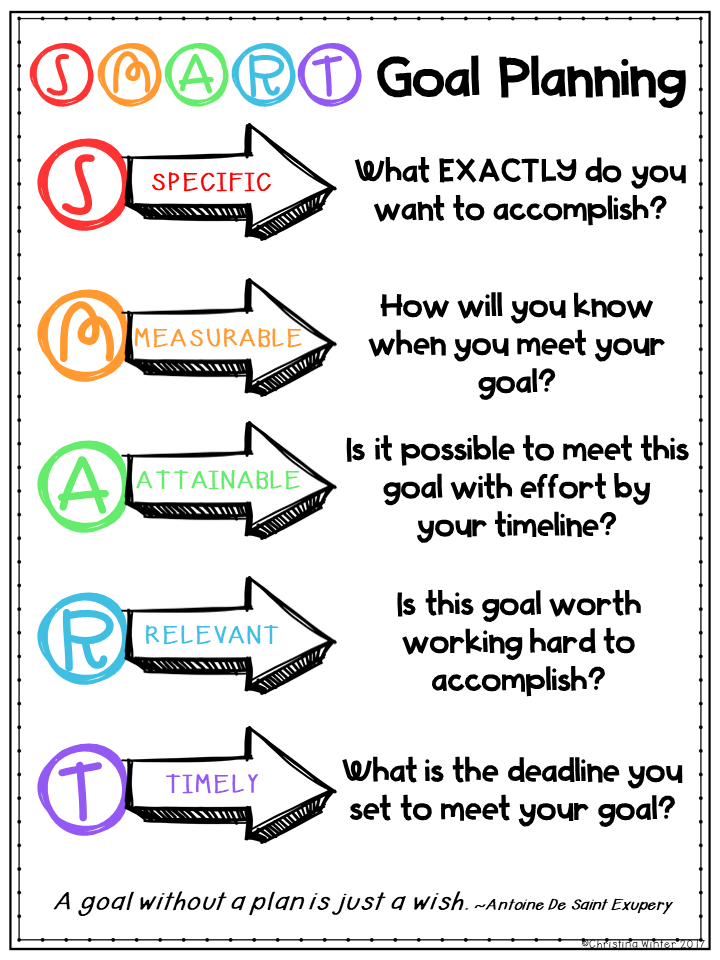
2. Teach Goal-Setting Skills: Many students may not have prior experience with setting goals or understanding how to break them down into actionable steps. Provide explicit instruction on goal-setting strategies like SMART (Specific, Measurable, Achievable, Relevant, Time-Bound) goals to help students set realistic objectives.
3. Regular Check-Ins: Schedule regular check-ins with students to review progress towards their goals. These meetings offer opportunities for reflection and adjustment if needed. Teachers can provide feedback and support during these sessions while encouraging students’ self-assessment.
4. Flexibility & Adaptability: Recognize that individualized goal setting requires flexibility in curriculum design and delivery methods as it allows for diverse pathways toward learning outcomes.
5. Celebrate Milestones: Acknowledge milestones achieved by students along their journey towards reaching their goals – whether big or small – as this reinforces positive behavior and encourages further progress.
Challenges & Considerations
While individualized goal setting offers numerous benefits, there are challenges that educators must navigate:
1. Managing Diverse Goals: In a classroom with multiple learners pursuing different objectives simultaneously may pose logistical challenges for both teachers and administrators.
2. Balancing Structure & Independence: Striking the right balance between providing structure and allowing independence is crucial when implementing individualized goal setting systems.
3.Encouraging Collaboration: Although individualized goal setting emphasizes personal growth, fostering collaboration and teamwork remains essential. Encourage students to share their goals with peers, seeking support or even collaborative opportunities.
4. Assessing Individual Progress: Traditional assessment methods may not fully capture the progress made by students pursuing individualized goals. Explore alternative assessment strategies such as portfolios, exhibitions, or self-reflection journals to evaluate growth effectively.
In conclusion, individualized goal setting empowers students to take control of their education by allowing them to define their learning path based on personal interests and aspirations. By implementing this approach in alternative schooling environments, educators can create a more engaging and meaningful educational experience for learners. Through regular reflection and adjustment of goals, students develop vital skills like self-awareness, responsibility, and autonomy that will serve them well beyond the classroom.
 Alternative Amie
Leave a comment