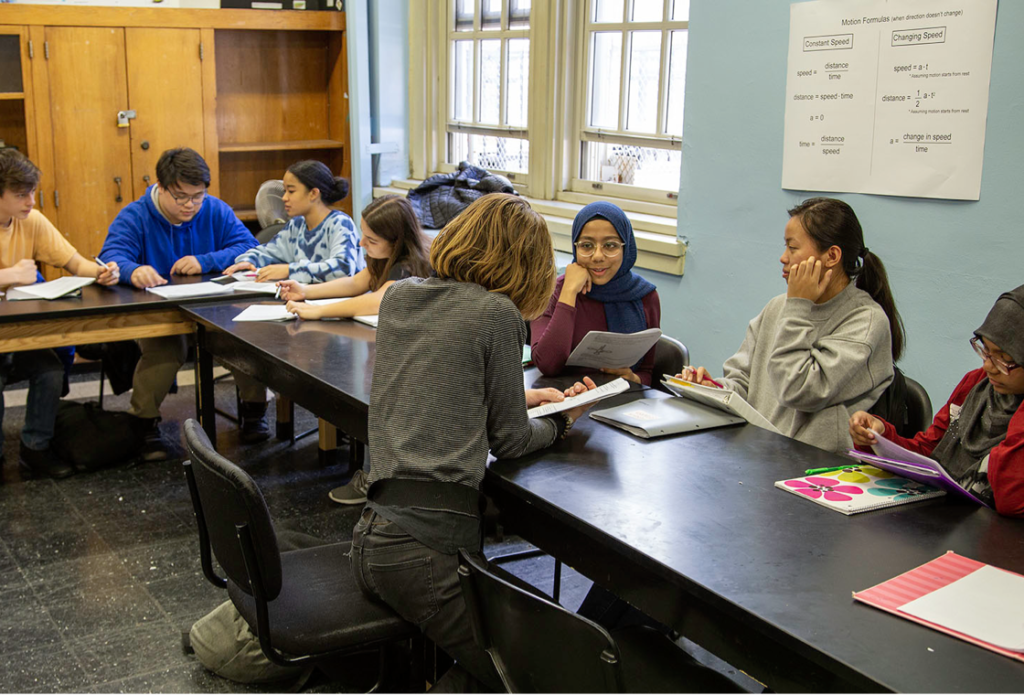
In recent years, alternative schooling options such as early college programs have gained popularity among students and parents. These innovative educational models provide high school students with the opportunity to earn college credits while still in high school, setting them up for future success in higher education and beyond. In this article, we will explore various aspects of early college education and how it prepares working professionals for their careers.
11. Role of technology in early college education:
Technology plays a crucial role in early college education. With access to online resources, virtual classrooms, and interactive learning platforms, students are able to engage with course materials at their own pace and collaborate with peers from different locations. Technology also enables flexibility in scheduling, allowing students to balance their coursework with other commitments.
12. Mentorship opportunities in early college programs:
Early college programs often offer mentorship opportunities where students can connect with professionals in their field of interest. Mentors provide guidance and support, helping students navigate challenges and make informed career decisions. By having access to mentors who have real-world experience, students gain valuable insights into their chosen professions.
13. Internship and work-study options in early college:
Many early colleges partner with local businesses or organizations to offer internships or work-study options for their students. These experiences allow students to apply classroom knowledge to real-world scenarios while developing essential skills like teamwork, problem-solving, and communication.
14. Financial aid and scholarships for early college students:
Financial aid is an important consideration for many families when considering alternative schooling options like early colleges. Fortunately, there are various financial aid options available specifically for these programs that can help alleviate the cost burden on families. Scholarships based on academic merit or specific fields of study are often offered as well.
15.Impact of parental involvement in early college education:
Parental involvement is crucial during a student’s journey through an early college program. Parents play a vital role by providing support at home, encouraging academic success, and helping students navigate the college application process. By actively participating in their child’s education, parents can contribute to their overall success.
16.Transitioning from early college to traditional four-year universities:
When it comes time for early college students to transition into traditional four-year universities, they often have an advantage. These students have already experienced the rigor and expectations of college-level coursework, making the transition smoother. Additionally, they may have earned transferable credits that can be applied towards their bachelor’s degree.
17.Experiential learning opportunities in early colleges:
Early colleges emphasize experiential learning by offering hands-on experiences and engaging projects. This approach allows students to apply theoretical knowledge gained in classrooms to real-world situations. Experiential learning fosters critical thinking skills and prepares students for the challenges they will face in their future careers.
18.Innovative curriculum models in alternative schooling:
Alternative schooling settings like early colleges often implement innovative curriculum models that go beyond traditional teaching methods. Project-based learning, flipped classrooms, and interdisciplinary approaches are commonly used to foster creativity, collaboration, and problem-solving skills among students.
19.Community partnerships and collaborations in early colleges:
Early colleges frequently collaborate with local businesses, community organizations, and higher education institutions to provide unique educational opportunities for their students. These partnerships offer access to resources such as guest speakers, internships, research projects or service-learning initiatives that enrich the educational experience.
20.Mental health support services for early college students:
Recognizing the importance of mental health support for student success is crucial within any educational setting – including alternative schooling options like early colleges. Early colleges typically provide counseling services where trained professionals help students manage stressors related to academics or personal life while fostering emotional well-being.
21.Academic advising and counseling resources in alternative schooling:
Academic advising is a vital component of any successful educational program – including alternative schooling options like early colleges. Qualified advisors guide students through course selection, academic planning, and career exploration. These resources help students make informed decisions about their educational journey.
22.Research on the long-term effects of early colleges:
Research on the long-term effects of early college education has shown promising results. Studies indicate that early college graduates are more likely to complete a bachelor’s degree and have higher earnings compared to their peers who did not participate in such programs. This highlights the value of alternative schooling options like early colleges in preparing working professionals for successful careers.
23.Career exploration and guidance in alternative education settings:
Early colleges often provide career exploration opportunities through internships, job shadowing, or guest speaker series. By exposing students to various professions and industries, these programs help them make informed decisions about their future career paths. Career guidance counselors can assist students in identifying their interests, strengths, and goals while providing resources for further exploration.
In conclusion, early college education offers numerous benefits to working professionals by providing them with a head start on their post-secondary journey. From technology integration to mentorship opportunities and innovative curriculum models, these alternative schooling options prepare students for success in higher education and beyond. With continued research into the long-term effects of these programs and ongoing support services like counseling and academic advising, early colleges will continue to shape the next generation of skilled professionals.
 Alternative Amie
Leave a comment