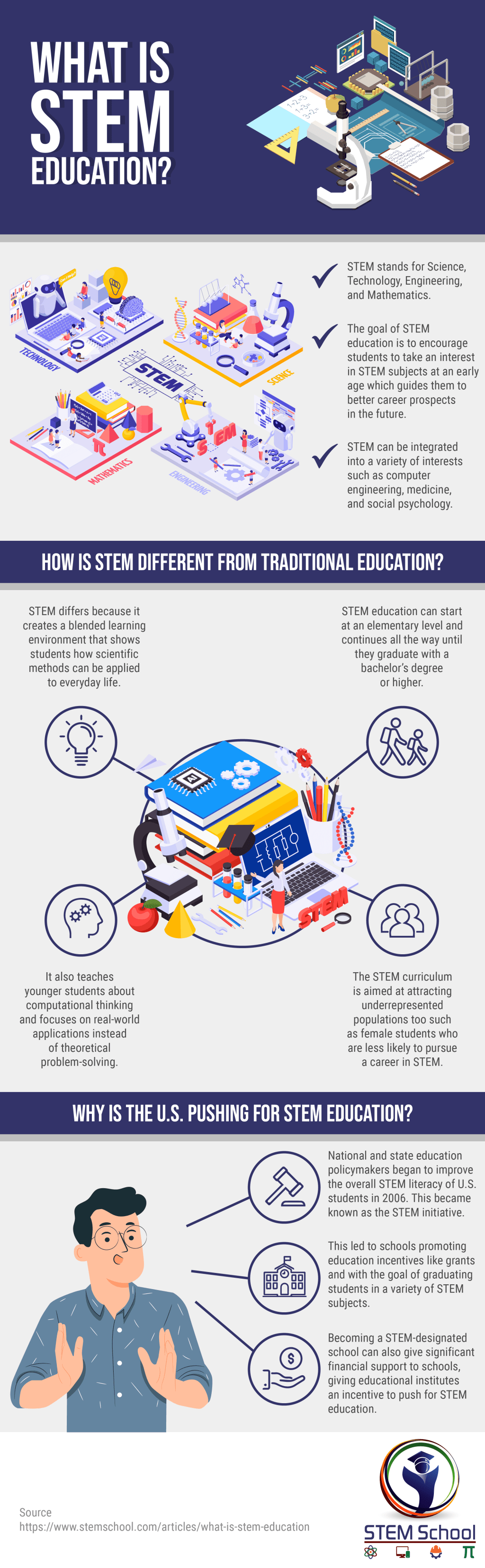
In today’s rapidly evolving world, STEM education plays a crucial role in preparing students for future careers. However, there are several important aspects that need to be addressed within this framework to ensure a well-rounded and inclusive learning experience.
One key aspect is the incorporation of creativity into STEM education. Often seen as separate domains, creativity and STEM actually go hand in hand. Encouraging students to think creatively fosters innovation and problem-solving skills, which are essential in scientific research and technological advancements. By integrating creative activities such as art projects or design challenges into STEM subjects, students can explore different perspectives and develop their imaginative thinking abilities.
Another critical component is the integration of social justice into STEM curriculum. It is crucial to teach students about the societal implications of scientific discoveries and technological advancements. By incorporating discussions on topics like environmental justice or healthcare disparities, students gain a broader understanding of how science impacts individuals and communities differently based on factors such as race, gender, or socioeconomic status.
Teaching ethics and responsibility in scientific research is also paramount. As future scientists or engineers, it is vital for students to understand the ethical implications of their work. By introducing case studies or engaging in debates around ethical dilemmas related to genetic engineering or biotechnology, students can develop a sense of responsibility towards their research practices.
Furthermore, addressing the gender gap in STEM education is essential for creating an inclusive learning environment. Exploring the history of women’s contributions to various fields helps break stereotypes and inspires female students to pursue careers in traditionally male-dominated areas like engineering or computer science.
Promoting diversity and inclusivity goes beyond just addressing gender disparities; it extends to fostering an environment where all races, ethnicities, cultures, and backgrounds feel welcome. Incorporating indigenous knowledge systems into teaching methods acknowledges alternative ways of knowing while enriching scientific inquiry with diverse perspectives.
Additionally, outdoor and experiential learning play an integral role in STEM education by providing hands-on experiences that connect classroom concepts to real-world applications. Field trips or outdoor experiments not only make learning more engaging but also encourage students to appreciate the natural world and understand the importance of sustainability.
Technology can be a powerful tool in enhancing hands-on learning experiences in STEM. Virtual simulations, online collaborations, or interactive apps allow students to explore scientific phenomena and conduct experiments that may not be feasible within traditional classroom settings.
Teaching critical thinking skills through problem-solving is another crucial aspect of STEM education. By presenting open-ended problems that require analysis, reasoning, and innovation, students develop essential critical thinking skills that can be applied across various disciplines throughout their lives.
Lastly, it is important to address misconceptions and stereotypes about scientists and engineers. By showcasing diverse role models from different backgrounds who have made significant contributions to their fields, we can inspire young minds and challenge preconceived notions about what a scientist or engineer looks like.
In conclusion, these various aspects are vital for a comprehensive STEM education framework. By incorporating creativity, social justice issues, ethics training, art integration, historical perspectives on women in STEM fields, sustainable practices teaching methods, diversity promotion efforts inclusivity focus points on indigenous knowledge systems use of technology for enhancement purposes hands-on learning opportunities with virtual simulation tools practice of critical thinking skills ethical implications discussions related to genetic engineering & biotechnology climate change impact studies citizen science project implementation mental health awareness encouragement debunking stereotypes surrounding scientists & engineers entrepreneurship & innovation exploration all within the realm of alternative schooling; we ensure that future generations are prepared to tackle complex global challenges while promoting inclusivity and responsible scientific practices.
 Alternative Amie
Leave a comment