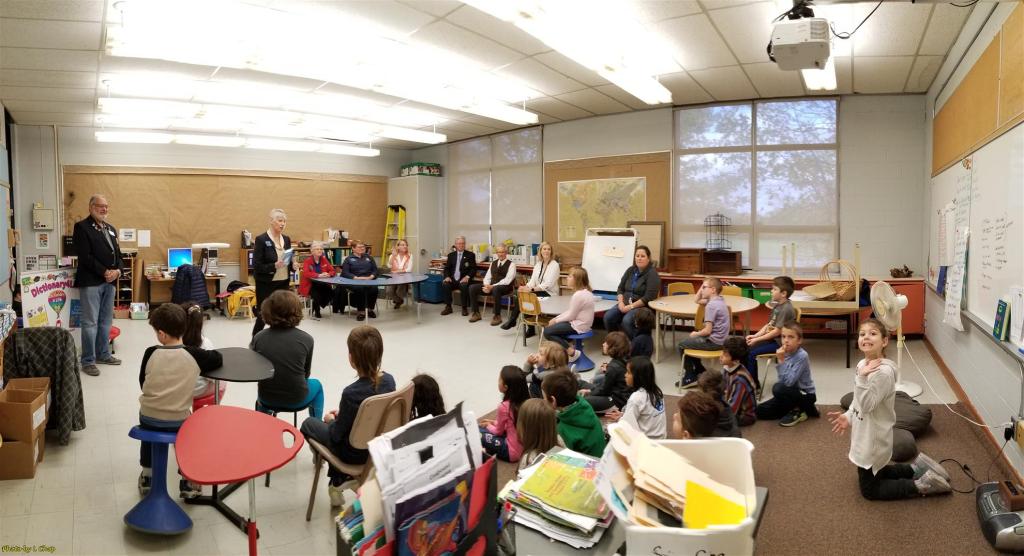
In recent years, there has been a growing interest in alternative schooling options for children, with many families opting for smaller and more close-knit educational communities. These alternative schools provide a unique environment that focuses not only on academic success but also on promoting mental health and overall well-being.
One of the key strategies for promoting mental health within these close-knit educational communities is fostering strong relationships between students, teachers, and families. Unlike larger traditional schools where it can be challenging to establish personal connections, alternative schools often have smaller class sizes which allow for deeper bonds to form. Teachers are able to truly get to know their students on a personal level, creating a sense of trust and support within the classroom.
Furthermore, alternative schools often emphasize collaboration over competition. Rather than pitting students against each other academically or socially, these schools encourage cooperation and teamwork. This approach helps foster positive relationships among students as they work together towards common goals rather than constantly comparing themselves to one another.
Another effective strategy is incorporating mindfulness practices into the daily routine. Alternative schools recognize the importance of teaching children how to manage stress and emotions effectively. By introducing techniques such as meditation or breathing exercises, students learn valuable skills that can help them cope with challenges both inside and outside of school.
Additionally, alternative schools prioritize individualized learning plans tailored to each student’s needs and interests. This personalized approach ensures that students feel valued and supported in their educational journey. When children are actively engaged in subjects they are passionate about, they tend to have higher levels of motivation and well-being.
Lastly, building a sense of community within the school is crucial for promoting mental health among students at small alternative education centers. Regular community events like potlucks or joint projects involving parents create opportunities for connection not just between peers but also between families themselves.
In conclusion, small alternative education communities offer an environment conducive to promoting mental health and well-being among its members through fostering strong relationships, emphasizing collaboration, incorporating mindfulness practices, providing personalized learning plans, and building a sense of community. By prioritizing the holistic development of students, alternative schools are creating spaces where children can thrive academically and emotionally.
 Alternative Amie
Leave a comment