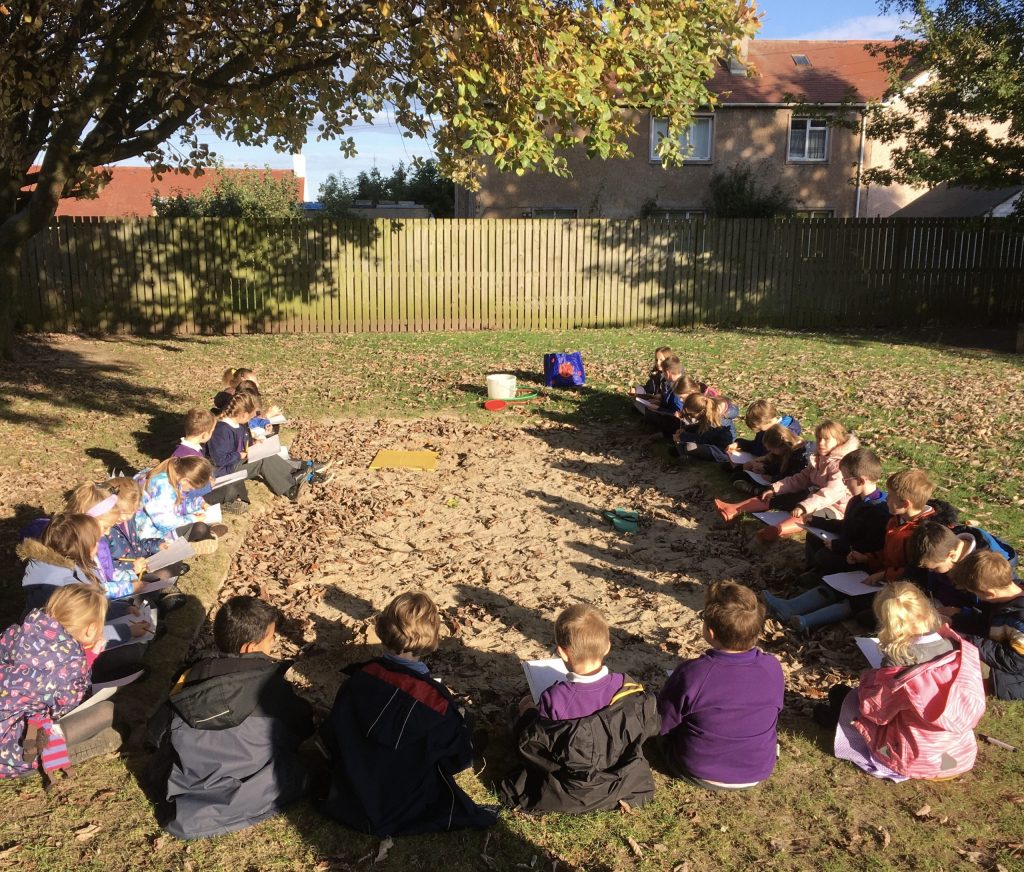
Outdoor Learning: Unlocking the Potential of Alternative Education
In recent years, there has been a growing interest in alternative forms of education that go beyond traditional classroom settings. One such approach is outdoor learning, which emphasizes the use of natural environments as interactive and immersive educational spaces. This unique method not only provides students with valuable hands-on experiences but also fosters a deep connection to nature and cultivates important life skills. In this article, we will explore the benefits of outdoor learning and how it can revolutionize education.
The concept of outdoor learning is rooted in the belief that nature provides an ideal setting for holistic development. By engaging with their surroundings, students are able to connect theoretical knowledge with real-world applications. Whether it’s studying biology by observing plant and animal life or practicing math through measurement and data analysis in an outdoor environment, students are given opportunities to engage all their senses while making connections across various subjects.
One of the greatest benefits of outdoor learning lies in its ability to promote physical activity and healthy lifestyles among students. Unlike traditional classrooms where sitting for long periods is often encouraged, outdoor learning encourages movement and exploration. Studies have shown that increased physical activity not only improves overall health but also enhances cognitive function, attention span, and academic performance.
Moreover, being outdoors exposes children to natural elements such as sunlight which aids in vitamin D production leading to improved bone health and stronger immune systems. The fresh air found outside also contributes positively to mental well-being by reducing stress levels and increasing feelings of happiness.
Outdoor learning goes beyond academic achievements; it fosters social growth as well. Collaborative projects conducted outdoors encourage teamwork, communication skills, conflict resolution abilities, empathy towards others’ perspectives – all vital qualities needed for success later in life. Students learn how to work together effectively while respecting each other’s strengths and weaknesses – invaluable lessons that cannot be taught solely within four walls.
Additionally, being surrounded by nature offers numerous therapeutic benefits for individuals with special needs or emotional difficulties. The calming and soothing effects of natural settings can help reduce anxiety, improve concentration, and enhance emotional regulation. Outdoor learning thus provides a more inclusive environment that accommodates the diverse needs of all students.
Furthermore, outdoor learning nurtures environmental stewardship by instilling in students a deep respect for nature and promoting sustainable practices. Through hands-on experiences like gardening, composting, or participating in conservation efforts, children develop an understanding of their role as caretakers of the earth. This not only heightens their appreciation for the natural world but also equips them with the knowledge and tools to make informed decisions about environmental issues.
Implementing outdoor learning programs may seem daunting at first due to logistical concerns such as safety measures and curriculum adaptations. However, numerous schools around the world have successfully integrated this approach into their educational systems with remarkable results. Collaborations between educators, parents, community organizations, and policymakers are essential in creating supportive frameworks that allow outdoor learning to flourish.
To ensure successful implementation of outdoor learning programs, it is crucial to provide teachers with professional development opportunities specifically tailored towards this pedagogical method. Training should cover topics such as risk assessment protocols, curriculum integration strategies across subjects including STEM (Science Technology Engineering Mathematics), techniques for facilitating meaningful discussions outdoors and how to effectively evaluate student progress within non-traditional settings.
Moreover, partnerships with local parks, gardens or nature reserves can greatly enrich outdoor learning experiences by providing access to resources beyond school premises. These partnerships create unique opportunities for field trips or even regular classes held in these external environments under supervision – broadening horizons while making education memorable.
In conclusion, traditional classroom-based education has its merits; however alternative approaches like outdoor learning offer invaluable benefits that cannot be ignored. By taking education outside four walls and immersing students in nature’s classroom we cultivate well-rounded individuals who are not only academically proficient but socially responsible too.
Outdoor Learning creates an inclusive space where children can develop a deep appreciation for the world around them while gaining the skills necessary to thrive in an ever-changing global society. Let us embrace this transformative approach and unlock the potential of alternative education through outdoor learning.
 Alternative Amie
Leave a comment