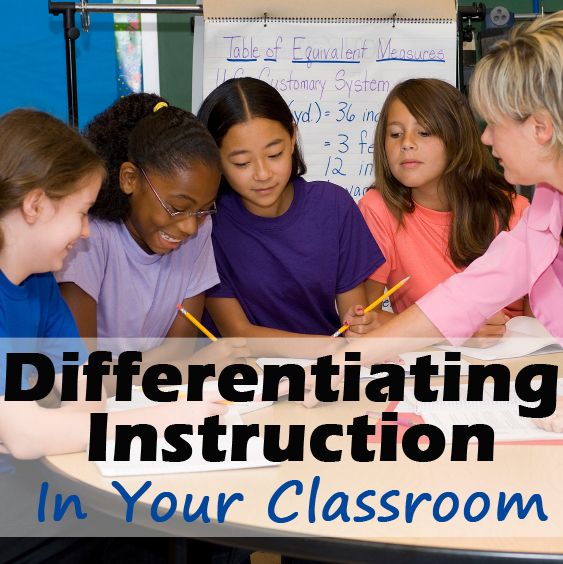
Differentiated instruction is a teaching strategy that recognizes and caters to the diverse learning needs, abilities, and interests of students within a classroom. In a multiage classroom setting, where students of different ages and grade levels are grouped together, differentiated instruction becomes crucial in meeting the unique educational requirements of each student.
One of the key benefits of differentiated instruction in multiage classrooms is its ability to provide personalized learning experiences for every student. Rather than relying on a one-size-fits-all approach, teachers can tailor their instruction to match the individual needs of each learner. This allows students to progress at their own pace and delve deeper into areas that interest them or require additional support.
In multiage classrooms, differentiated instruction also promotes collaboration and peer learning. Older students can serve as mentors or tutors for younger ones while reinforcing their own knowledge and skills through teaching. Younger learners benefit from this interaction by gaining valuable insights from their older peers. By fostering these collaborative relationships, students develop social-emotional skills such as empathy, communication, and teamwork.
Another advantage of differentiated instruction in multiage classrooms is its potential for promoting academic growth across various subjects. Students have opportunities to engage with content that aligns with both their current level of understanding and future goals. Teachers can design activities that challenge advanced learners while providing scaffolding for those who may be struggling. This approach ensures that all students are continuously progressing academically without feeling overwhelmed or left behind.
Furthermore, differentiated instruction supports inclusive education practices by accommodating diverse learning styles and abilities within the same classroom environment. For instance, visual learners may benefit from using diagrams or charts during lessons, while auditory learners may prefer listening to audio recordings or participating in discussions. By involving multiple modes of representation (visuals, auditory cues), teachers cater to different learning preferences and enhance overall engagement among students.
In addition to addressing individual needs effectively, differentiated instruction encourages critical thinking skills among students in multiage classrooms. Teachers can offer open-ended tasks or projects that allow students to apply their knowledge and skills in creative ways. By incorporating choice and autonomy into assignments, students are encouraged to think independently, problem-solve, and take ownership of their learning.
Differentiated instruction also promotes a positive classroom environment, where all students feel valued and supported. By acknowledging individual strengths and weaknesses, teachers can provide targeted feedback that encourages growth. This approach helps build self-esteem, motivation, and a sense of belonging among learners.
To implement differentiated instruction effectively in multiage classrooms, teachers must have a strong understanding of their students’ abilities, interests, and learning styles. Regular assessments can help identify areas where differentiation is necessary and guide instructional decisions accordingly. Collaboration with colleagues or professional development opportunities focused on differentiated instruction can further enhance teachers’ ability to meet the diverse needs of their multiage classroom.
In conclusion, differentiated instruction plays a vital role in supporting student success in multiage classrooms. It allows for personalized learning experiences by catering to individual needs while promoting collaboration among peers. Additionally, it fosters academic growth across subjects, accommodates diverse learning styles and abilities while encouraging critical thinking skills. Ultimately, implementing differentiated instruction creates an inclusive environment where every student feels valued and supported on their educational journey.
 Alternative Amie
Leave a comment