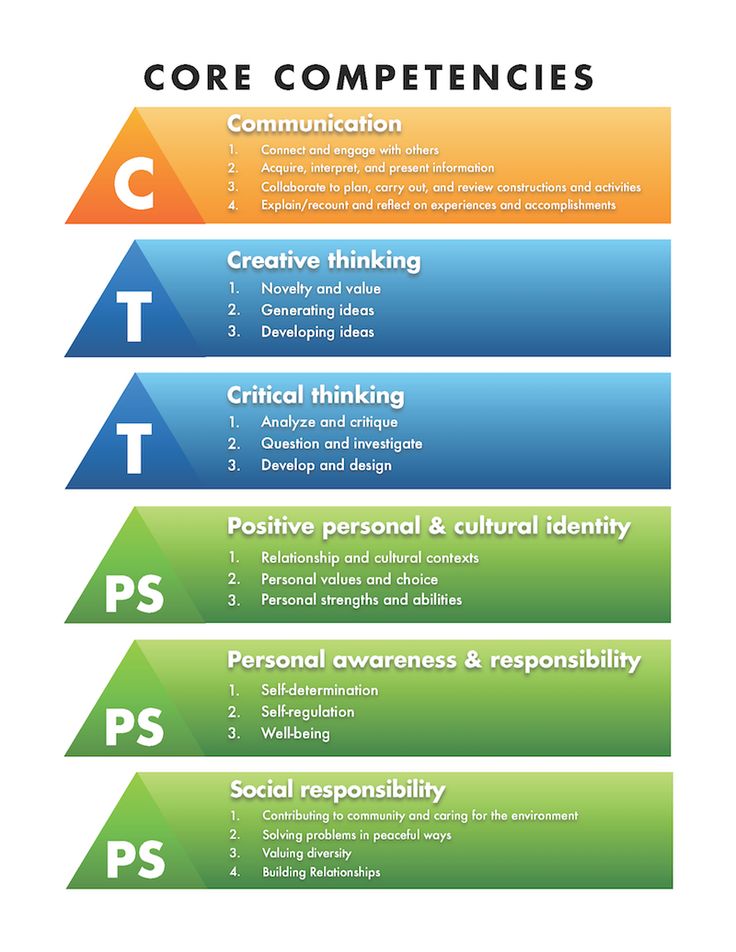
Competency-based curriculum design is an innovative approach to education that focuses on students’ mastery of specific skills and knowledge rather than the traditional time-bound model. This method emphasizes personalized learning, allowing students to progress at their own pace and demonstrate competency in each area before moving forward.
One of the key advantages of competency-based curriculum design is its flexibility. Students are given the freedom to learn at their own speed, enabling them to delve deeper into topics they find particularly interesting or spend more time honing their skills in areas where they may struggle. This personalized approach ensures that no student is left behind or held back due to a predetermined timeline.
In addition, this type of curriculum promotes a deeper understanding of concepts as it encourages critical thinking and problem-solving skills. By focusing on mastery rather than mere completion, students are encouraged to explore different approaches and solutions, fostering a sense of creativity and independent thinking.
Furthermore, competency-based curriculum design prepares students for real-world situations by aligning educational goals with workplace requirements. Professionals today need not only theoretical knowledge but also practical application abilities. By emphasizing competencies such as communication, collaboration, adaptability, and critical thinking – all essential for success in any field – this curriculum equips students with the necessary skills for future careers.
Another significant advantage is the integration of technology into learning experiences. Competency-based programs often leverage digital tools and online resources to support individualized instruction and assessment. These technological advancements enhance engagement and motivation while providing immediate feedback on progress.
Finally, competency-based curriculum design promotes a growth mindset among learners by focusing on continuous improvement rather than fixed achievements. This mindset fosters resilience, perseverance, self-motivation, and lifelong learning habits – qualities that are invaluable beyond schooling years.
In conclusion, competency-based curriculum design offers numerous benefits over traditional models by embracing personalization, critical thinking development, real-world preparation through skill-focused learning outcomes aligned with industry needs integration of technology into education practices fostering growth mindset. This approach is revolutionizing education and preparing students for success in the ever-evolving world.
 Alternative Amie
Leave a comment