Waldorf education is renowned for its holistic approach to learning, emphasizing the development of the whole child – intellectually, emotionally, and spiritually. One of the key elements that sets Waldorf schools apart is their strong focus on the arts as an integral part of education. Through painting, drawing, music, and other artistic activities, students are nurtured in their creative expression and imaginative thinking.
In Waldorf schools, painting holds a special place in the curriculum. It is not just about creating beautiful artwork; it serves as a means for children to explore their inner world and connect with external realities. From early childhood through high school years, students engage in various forms of painting that cater to their developmental stages.
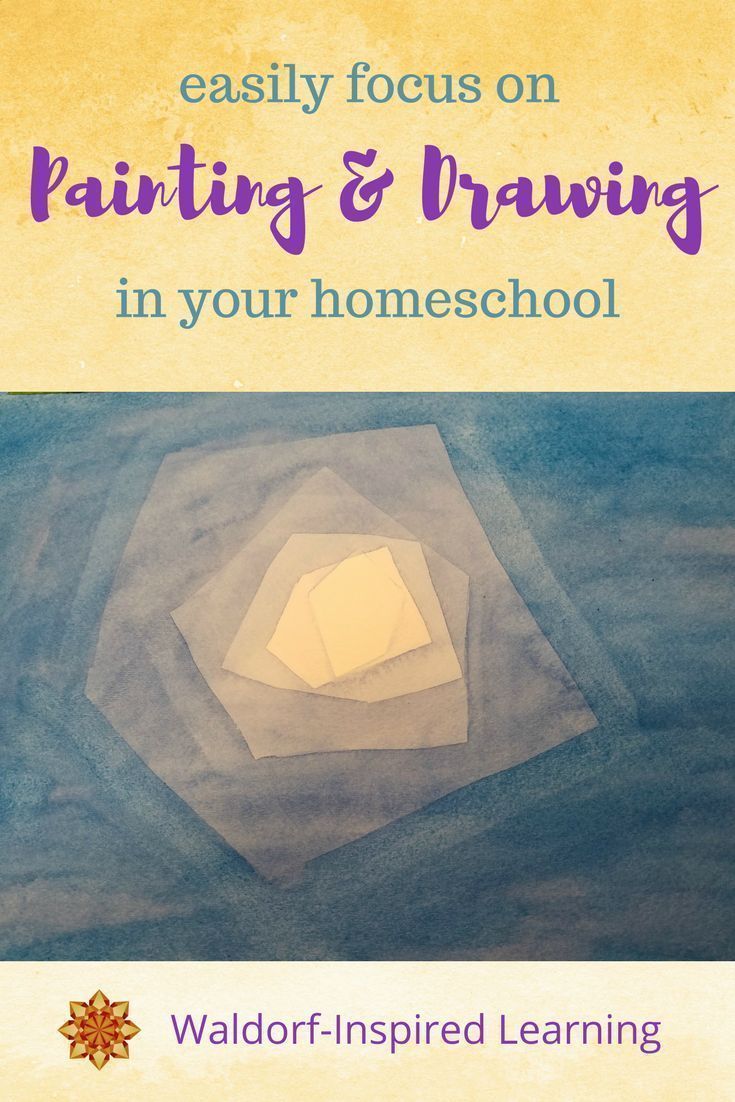
During early childhood years (ages 3-7), young children use wet-on-wet watercolor techniques where colors flow freely into each other. This allows them to experience color blending and develop a sense of harmonious movement on paper. They are encouraged to paint images from nature or simple stories told by their teacher.
As children grow older (ages 7-14), they move on to more defined forms of painting using tempera or acrylic paints. The emphasis here is on developing observation skills and attention to detail while still allowing room for individual interpretation. Students often create paintings related to subjects they are studying in other areas such as history or science.
In high school (ages 14-18), students delve deeper into artistic exploration through various techniques like layering colors or using different mediums like charcoal or pastels. Painting becomes more sophisticated as teenagers grapple with complex themes and ideas.
The role of painting goes beyond artistic expression; it also fosters important life skills such as patience, concentration, problem-solving abilities, and discipline. The process itself teaches students how to work through challenges and find solutions creatively. It also promotes self-confidence as they see their ideas come alive on canvas.
Furthermore, integrating art into academic subjects helps deepen understanding and retention of knowledge. Students can visually represent complex concepts, making learning more meaningful and memorable. For example, a painting depicting the water cycle can help students grasp the interconnectedness of natural systems.
In conclusion, the role of painting in Waldorf education goes far beyond aesthetics. It is an integral part of nurturing creativity, imagination, and holistic development in students. Through various painting techniques and mediums, children learn valuable life skills while deepening their understanding of academic subjects. The arts truly thrive in Waldorf schools as they provide a fertile ground for self-expression, personal growth, and social responsibility through service-learning projects within the community.
 Alternative Amie
Leave a comment