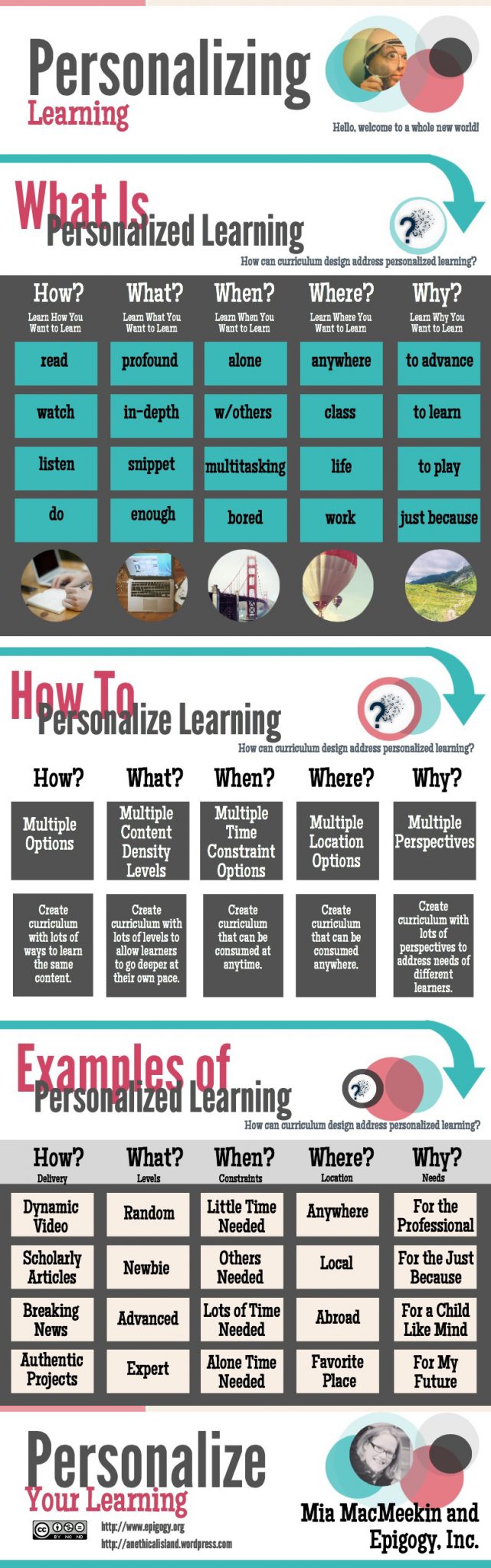
Suburban Personalized Learning: Revolutionizing Education for Every Student
Introduction:
In recent years, the traditional model of education has been challenged by a growing movement towards personalized learning. This innovative approach recognizes that students have unique needs and interests, and aims to tailor education to meet those requirements. While personalized learning has gained traction in urban areas, it is also making waves in suburban communities. In this panel discussion style post, we will explore the concept of suburban personalized learning, its benefits and challenges, and the impact it has on students.
Panelists:
– Dr. Sarah Johnson: Superintendent of a suburban school district
– Mr. Mark Thompson: Parent advocate for personalized learning
– Ms. Emily Ramirez: Teacher implementing personalized learning strategies
– Mr. David Collins: High school student experiencing personalized learning firsthand
Moderator (M): Welcome everyone to this panel discussion on suburban personalized learning! To start off, let’s define what we mean by “personalized learning” in a suburban context.
Dr. Johnson (DJ): Thank you for having me! Suburban personalized learning refers to an educational approach that tailors instruction to individual students’ strengths, weaknesses, interests, and goals within a predominantly non-urban setting.
M: That’s great clarification! Now let’s dive into the benefits of this approach.
Mark Thompson (MT): Personalized learning empowers students to take ownership of their education by allowing them to pursue their passions while obtaining essential skills and knowledge necessary for success.
Emily Ramirez (ER): Absolutely! It allows teachers like me to create meaningful connections with our students as we understand their unique needs better. We can provide targeted support at an individual level rather than using one-size-fits-all approaches.
David Collins (DC): As a student experiencing personalized learning firsthand, I can attest that it fosters independence and self-motivation. I feel more engaged because I am actively involved in shaping my own educational journey.
M: Those are incredible benefits! However, implementing personalized learning in suburban schools may come with its own set of challenges. Could you shed some light on that, Dr. Johnson?
DJ: Of course! One significant challenge is the need for adequate resources and infrastructure to support personalized learning initiatives. Smaller budgets and limited access to technology can hinder implementation efforts.
MT: Another challenge lies in providing professional development opportunities for teachers. They must be trained on how to effectively implement personalized learning strategies while balancing the demands of a diverse classroom.
ER: Additionally, there is a need for a shift in mindset among educators and parents alike. Personalized learning requires moving away from traditional modes of instruction towards more flexible approaches that cater to individual student needs.
M: These challenges are crucial considerations, but it’s encouraging to see many suburban schools successfully navigating them. Now let’s discuss the impact of personalized learning on students themselves.
DC: As a student, I feel more engaged because I have control over my education. I am no longer just a passive recipient; instead, I actively participate in setting goals and choosing how I learn best.
ER: It also helps foster critical thinking skills as students learn to problem-solve independently rather than relying solely on teacher guidance.
MT: Absolutely! This approach promotes creativity and innovation by allowing students to explore their interests deeply.
DJ: And let’s not forget about the positive impact on academic achievement. When students are actively involved in their education, they tend to perform better overall.
M: These impacts sound incredible! Now let’s look at some specific examples of suburban schools implementing personalized learning effectively.
ER: At our school district, we use data-driven instruction combined with project-based assessments tailored to each student’s interests and abilities. We also offer flexible scheduling options so that students can work at their own pace without feeling rushed or left behind.
DC: In my high school, we have access to online platforms where we can choose from a variety of courses, allowing us to explore subjects beyond the traditional curriculum. This exposure to diverse learning experiences has been invaluable.
MT: In our community, we have seen schools implementing mentorship programs where students are matched with professionals in their field of interest. This provides real-world connections and enhances the relevance of their education.
M: These examples showcase the incredible possibilities that personalized learning brings. As we wrap up this discussion, what advice would you give to parents and educators who want to embrace personalized learning in suburban settings?
DJ: Collaboration is key! Parents, educators, and administrators should work together to develop a shared vision for personalized learning and create opportunities for ongoing dialogue.
MT: I would encourage parents to advocate for personalized learning initiatives within their school district. By voicing support and staying informed about best practices, change can happen more effectively.
ER: Educators should seek professional development opportunities focused on personalized learning strategies. Embracing new pedagogical approaches requires continuous growth and adaptation.
DC: Finally, as students experiencing this firsthand, I urge my peers to be vocal about what works well for them in terms of personalization. Sharing our experiences will help shape future policies that prioritize student needs.
M: Thank you all for your insightful contributions! Suburban personalized learning is revolutionizing education by creating an environment where every student’s unique potential can flourish. Let us continue exploring ways to ensure its successful implementation across suburban communities worldwide.
Conclusion:
Suburban personalized learning holds immense promise in transforming education by catering to individual student needs while promoting engagement, critical thinking skills, independence, and academic achievement. Despite challenges related to resources and mindset shifts required during implementation, many suburban schools have successfully embraced this approach through data-driven instruction, project-based assessments tailored to student interests and abilities, flexible scheduling options, online platforms offering diverse course choices beyond traditional curricula, mentorship programs connecting students with professionals in relevant fields. It is essential for parents, educators, and students to collaborate, advocate, seek professional development opportunities, and share personal experiences to facilitate the effective implementation of personalized learning in suburban settings. By doing so, we can create a brighter future for education where every student’s potential is realized.
 Alternative Amie
Leave a comment