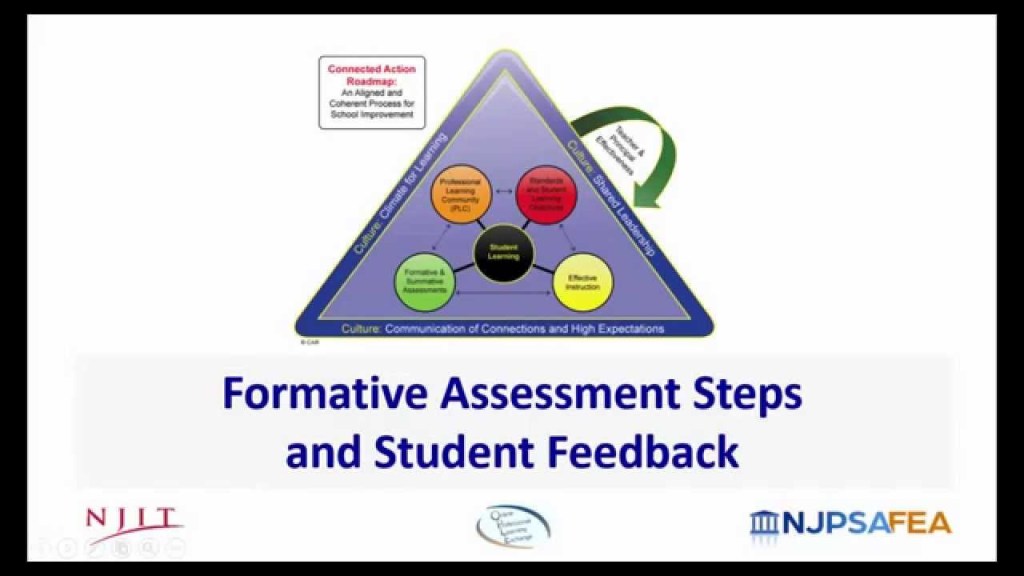
Formative Assessments: A Key Tool for Effective Learning
In the traditional education system, assessments have often been seen as a means to measure student achievement at the end of a unit or course. However, educators and researchers have come to recognize the importance of incorporating formative assessments into the learning process. Formative assessments are ongoing evaluations that provide feedback to both teachers and students about their progress towards learning goals. Unlike summative assessments which occur at the end of a unit or course, formative assessments are designed to be embedded throughout instruction to guide teaching and improve student understanding.
Why are formative assessments important?
1. Monitoring student progress: Formative assessments allow teachers to monitor student progress regularly and make timely adjustments in instruction if needed. By identifying areas where students may be struggling, teachers can address misconceptions or gaps in understanding before moving on to new material. This ensures that all students have a solid foundation before progressing further.
2. Feedback for improvement: Formative assessments provide immediate feedback for students, allowing them to understand their strengths and weaknesses at a granular level. This feedback empowers students by enabling them to take ownership of their own learning journey. It helps them identify areas where they need additional support or practice, ultimately leading to improved academic performance.
3. Personalized instruction: With the help of formative assessment data, teachers can tailor their instruction according to individual student needs. By gaining insights into each student’s progress, strengths, and weaknesses, educators can differentiate instruction and provide targeted support where it is most needed. This personalized approach fosters greater engagement and motivation among learners.
4. Identifying instructional strategies: Formative assessment data offers valuable insights into which instructional strategies are effective with different groups of students or individuals within a class setting. Teachers can analyze this data over time and modify their teaching methods accordingly, ensuring that they are using approaches that best suit the diverse needs of their students.
How do you incorporate formative assessments into the classroom?
1. Pre-assessments: Before beginning a new unit, teachers can administer pre-assessments to gauge students’ prior knowledge on the topic. This helps identify what students already know and where their misconceptions may lie, allowing teachers to tailor instruction accordingly.
2. Exit tickets: At the end of a lesson or class period, teachers can use exit tickets as a formative assessment tool. These brief assessments can take the form of short quizzes, reflections, or open-ended questions that prompt students to summarize key concepts learned during the class. Exit tickets provide valuable feedback for teachers about student understanding and help them plan subsequent lessons.
3. Observations: Teachers can make use of informal observations during classroom activities and discussions to assess student learning in real-time. By actively monitoring student engagement and participation, educators can gain insight into individual progress and adjust instruction accordingly.
4. Peer and self-assessment: Encouraging students to engage in peer and self-assessment activities fosters metacognition and reflection skills. Students can evaluate their own work against rubrics or criteria provided by the teacher, helping them understand where they excel or need improvement.
5. Quizzes and checkpoints: Short quizzes administered throughout a unit allow teachers to gauge ongoing student understanding while providing immediate feedback for course correction if necessary.
6. Digital tools: Technology offers numerous opportunities for incorporating formative assessments into the classroom setting effectively. Online platforms such as Kahoot!, Quizizz, or Google Forms enable educators to create interactive quizzes or surveys that instantly provide feedback on student performance.
7. Classroom discussion and questioning techniques: Engaging students through thoughtful questioning strategies encourages active participation while providing valuable insights into comprehension levels, critical thinking abilities, and areas needing further exploration.
It’s important to note that implementing formative assessments requires careful planning and alignment with instructional goals:
– Clearly define learning objectives before designing formative assessments.
– Use a variety of assessment methods rather than relying on a single approach.
– Provide timely and constructive feedback to students based on assessment results.
– Regularly analyze assessment data to inform instructional decisions and adjust teaching strategies as needed.
In conclusion, formative assessments play a crucial role in promoting effective learning. By providing ongoing feedback, monitoring student progress, and enabling personalized instruction, they contribute significantly to academic achievement. Educators who incorporate formative assessments into their classrooms empower students to take ownership of their learning journey while ensuring that teaching methods are responsive to individual needs.
 Alternative Amie
Leave a comment