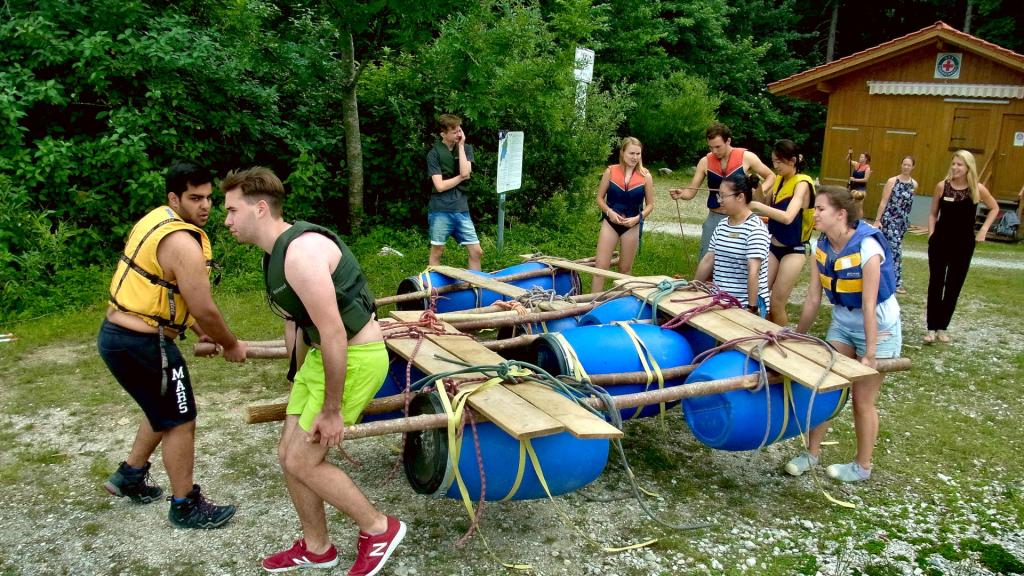
Risk-taking in Nature: Exploring the Benefits of Outdoor Education
In today’s fast-paced and technology-driven world, children are spending more time indoors and becoming increasingly disconnected from nature. However, alternative schooling and education methods are recognizing the importance of incorporating outdoor activities into their curriculum. One aspect that is gaining attention is risk-taking in nature – allowing children to engage in challenging and adventurous experiences while surrounded by natural environments.
Outdoor education programs often involve activities such as hiking, camping, rock climbing, kayaking, and other physically demanding tasks. These activities not only provide a break from traditional classroom settings but also offer numerous benefits for students’ overall development.
One key advantage of risk-taking in nature is the opportunity it provides for personal growth. When faced with challenges outside their comfort zones, children learn to overcome fears and develop resilience. This process fosters self-confidence and self-esteem as they realize their own capabilities to conquer obstacles. Additionally, pushing boundaries helps build problem-solving skills as students find creative solutions amidst unfamiliar situations.
Furthermore, outdoor education encourages physical fitness through active engagement in various physical activities. Unlike sedentary lifestyles associated with excessive screen time, these programs promote healthy habits by encouraging movement and exercise while exploring the wonders of nature. Such physical exertion contributes to improved cardiovascular health, enhanced motor skills development, and increased overall fitness levels.
Risk-taking in nature also offers cognitive benefits by stimulating curiosity and promoting experiential learning. Students have the opportunity to observe flora and fauna firsthand, apply scientific concepts learned in classrooms to real-life scenarios, and develop a deeper understanding of environmental sustainability. The hands-on approach allows them to connect theoretical knowledge with practical experiences – a powerful combination that facilitates long-term retention of information.
In addition to individual growth opportunities provided by risk-taking in nature programs, these initiatives foster social development among participants as well. Group-based outdoor activities encourage teamwork collaboration skills as students work together towards common goals or navigate challenges collectively. Developing effective communication skills, empathy, and respect for others are essential components of these programs.
Moreover, risk-taking in nature helps children develop a sense of responsibility towards the environment. By being exposed to natural ecosystems and witnessing their beauty firsthand, students gain a deeper appreciation for nature’s value. This understanding lays the foundation for future generations to become stewards of the Earth, ensuring its preservation and sustainability.
In conclusion, incorporating risk-taking in nature within alternative schooling and education methods can significantly contribute to children’s holistic development. The physical, cognitive, social, and environmental benefits associated with outdoor education programs underscore the importance of providing opportunities for children to engage with nature. By embracing these initiatives, we empower students to become confident individuals capable of facing challenges head-on while cultivating a lifelong connection with the natural world around them.
 Alternative Amie
Leave a comment