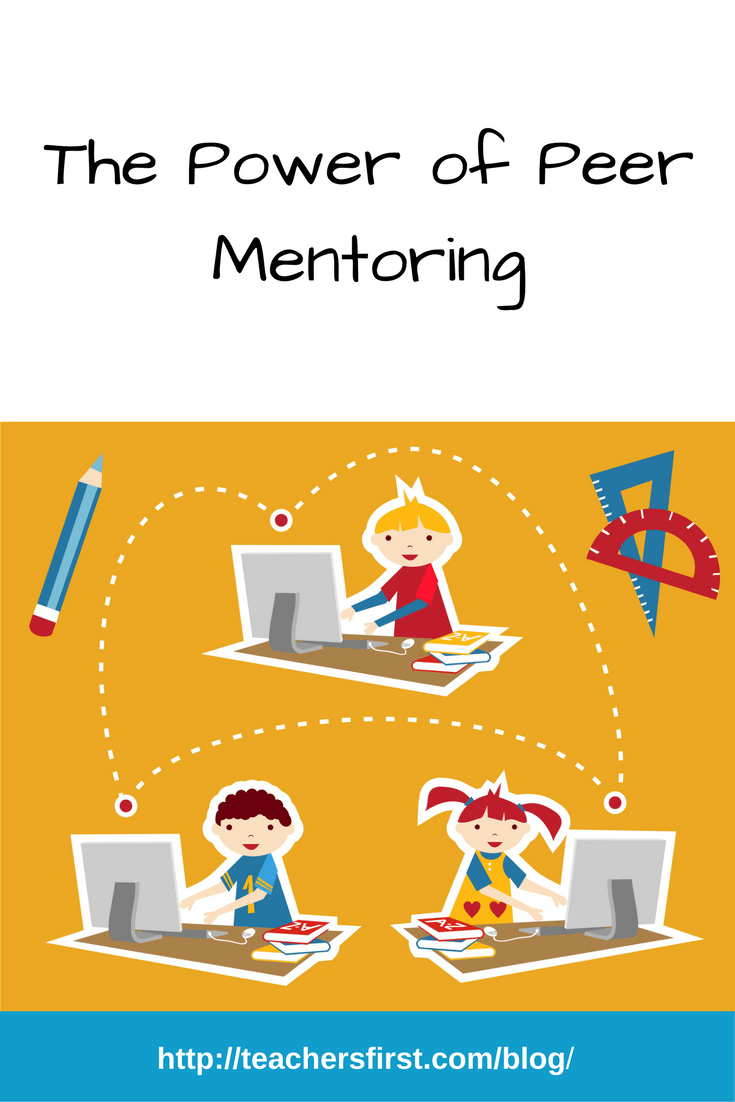
Peer mentoring programs can be incredibly beneficial for students, providing them with support and guidance from their peers who have already gone through similar experiences. However, it is crucial to address power imbalances within these programs to ensure that all participants feel empowered and respected.
One way to address power imbalances in peer mentoring programs is by promoting equal participation and decision-making. Instead of having one person taking on the role of the mentor and another as the mentee, encourage a more collaborative approach. This can be done by creating opportunities for both mentors and mentees to share their thoughts, ideas, and experiences. By valuing everyone’s input equally, power dynamics are less likely to emerge.
Additionally, regular check-ins should be conducted with both mentors and mentees to ensure that they feel comfortable in their roles. Encourage open communication where both parties can express any concerns or issues they may have regarding the program. This will allow for early intervention if any power imbalances start to arise.
Another important aspect is training for mentors on how to navigate power dynamics effectively. Mentors should be educated on active listening skills, empathy, and the importance of fostering an inclusive environment. It is essential that mentors understand their role is not about exerting authority but rather about supporting and empowering their mentees.
Furthermore, peer mentoring programs should incorporate diverse perspectives by matching mentors and mentees who come from different backgrounds or have different life experiences. This diversity helps challenge assumptions and creates a richer learning environment where everyone’s voices are heard.
Lastly, establish clear guidelines around boundaries within the peer mentoring relationship. Both mentors and mentees need to understand what behavior is appropriate during sessions or outside of them. These guidelines help prevent potential misuse of power while maintaining a safe space for open dialogue.
Addressing power imbalances within peer mentoring programs ensures that all participants feel valued while promoting an inclusive environment conducive to growth and development. By implementing these strategies, we can create more equitable spaces where everyone can learn from and support one another.
 Alternative Amie
Leave a comment