Introduction:
In today’s education landscape, it is more important than ever to ensure that curriculum is adapted to meet the needs of diverse learners. With the rise of self-paced learning environments, such as alternative schools and online platforms, educators must consider how to effectively cater to students with different learning styles, abilities, and backgrounds. In this interview-style post, we will explore the strategies and best practices for adapting curriculum in a self-paced setting.
Interviewer: Today we have the pleasure of speaking with Dr. Sarah Thompson, an experienced educator who specializes in curriculum development for diverse learners in self-paced settings. Thank you for joining us today!
Dr. Thompson: Thank you for having me.
Interviewer: To start off, could you explain what adapting curriculum means in a self-paced setting?
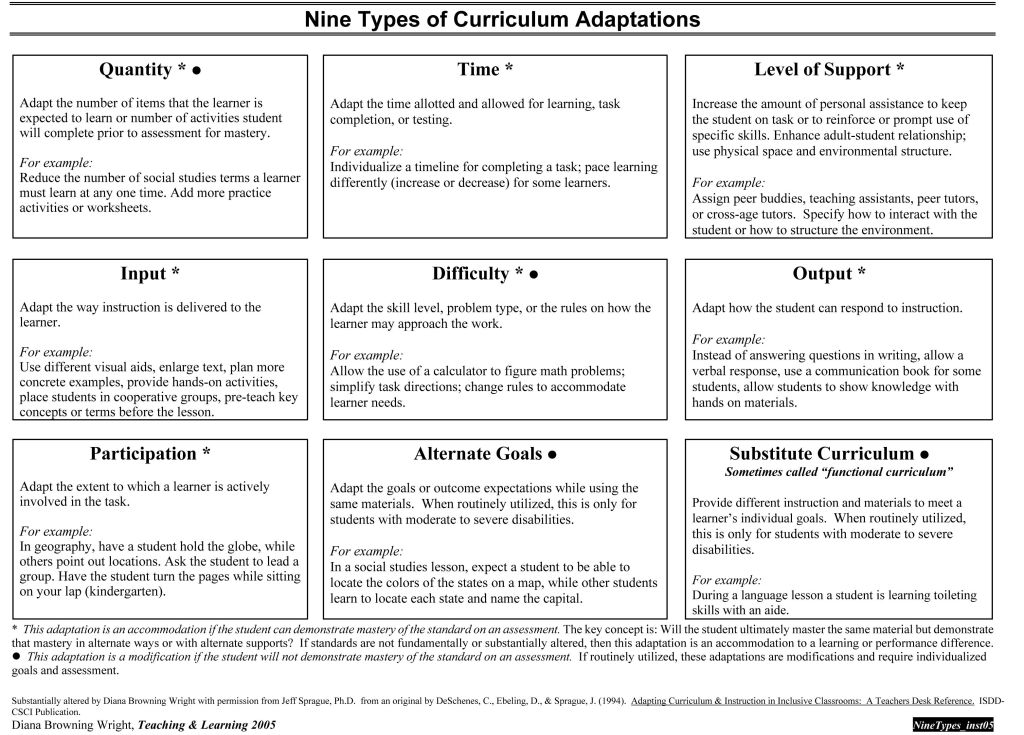
Dr. Thompson: Absolutely! Adapting curriculum refers to modifying instructional materials and methods to accommodate the unique needs of individual students within a given educational environment. In a self-paced setting where students progress through material at their own pace, it becomes essential to tailor instruction according to each learner’s strengths and weaknesses.
Interviewer: What are some effective strategies or approaches that educators can use when adapting curriculum for diverse learners?
Dr. Thompson: One approach is differentiated instruction – providing multiple pathways or options for students to access content and demonstrate their understanding. This might involve offering various reading levels or multimedia resources so that all students can engage with the material at an appropriate level.
Another strategy is scaffolding – breaking down complex concepts into smaller parts and gradually increasing difficulty as students build understanding. This helps support struggling learners while also challenging those who need higher-level tasks.
Personalized learning plans are also useful tools in self-paced settings as they allow educators to identify individual student goals and tailor activities accordingly. These plans take into account factors such as learning styles, interests, prior knowledge, cultural background, or language proficiency.
Interviewer: How do you ensure equity when adapting curriculum for diverse learners?
Dr. Thompson: Equity is a crucial consideration. To ensure fairness, it’s important to provide all students with equal opportunities to succeed. This means taking into account their individual needs and providing additional support or accommodations when necessary.
One way to promote equity is by offering multiple assessment options that cater to different learning styles and abilities. For example, allowing students to demonstrate understanding through presentations, projects, or written assignments ensures that everyone has an opportunity to showcase their knowledge in a way that aligns with their strengths.
Interviewer: What advice do you have for educators who are new to adapting curriculum in self-paced settings?
Dr. Thompson: My advice would be to start by getting to know your students as individuals – understand their strengths, weaknesses, interests, and learning preferences. This will enable you to create a more personalized learning experience.
Additionally, collaborate with other educators and share best practices. There are many resources available online and professional networks where teachers can exchange ideas and learn from one another’s experiences.
Lastly, be flexible! Adapting curriculum requires constant reflection on what works best for your students. Don’t be afraid to try new strategies or make adjustments based on feedback from both the learners themselves and fellow educators.
Conclusion:
Adapting curriculum for diverse learners in a self-paced setting is essential for ensuring equitable access to education. By implementing strategies such as differentiated instruction, scaffolding, and personalized learning plans while considering each student’s unique needs, educators can create an inclusive environment where all learners can thrive at their own pace. With ongoing collaboration and flexibility, we can continue refining our approaches and supporting the academic growth of every student in alternative schooling settings.
 Alternative Amie
Leave a comment