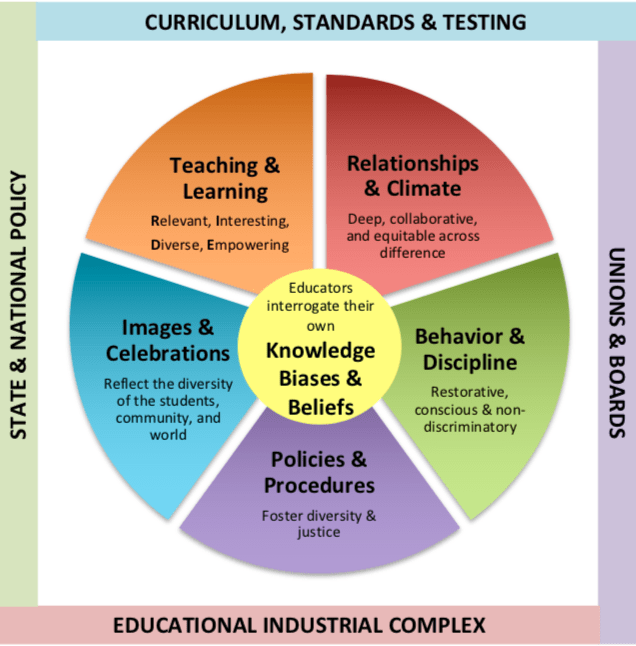
In recent years, the Waldorf education system has gained significant attention for its unique approach to alternative schooling and its commitment to social justice initiatives. Developed by Austrian philosopher Rudolf Steiner in the early 20th century, Waldorf education emphasizes holistic development, creativity, and community engagement. This article aims to provide an overview of some of the social justice initiatives within the Waldorf community that have made it a pioneer in educational equality and inclusivity.
One of the fundamental principles underlying Waldorf education is the belief that every child deserves equal access to quality education regardless of their background or socio-economic status. In line with this principle, many Waldorf schools have implemented various scholarship programs to ensure that children from disadvantaged backgrounds can attend these institutions. By providing financial aid and support services, these schools strive to create a diverse student body where all children can thrive.
Another key aspect of social justice within Waldorf schools is their commitment to environmental sustainability. Recognizing the urgent need for ecological responsibility, many Waldorf institutions prioritize environmental consciousness in their curriculum and daily practices. Students are encouraged to develop a deep connection with nature through activities such as gardening, farming, and outdoor exploration. Some schools even integrate sustainable practices into their infrastructure by using renewable energy sources or implementing waste reduction strategies.
Waldorf education also places great emphasis on fostering multicultural understanding and promoting diversity among its students and faculty members. To achieve this goal, many schools actively recruit teachers from different cultural backgrounds who bring unique perspectives into the classroom. Additionally, they incorporate diverse literature and art forms from around the world into their curriculum to expose students to different cultures and traditions.
In order to address issues related specifically to racial inequality within society at large, some Waldorf schools have developed specific initiatives centered around anti-racism work. These initiatives aim not only at educating students about racism but also at actively dismantling systemic racism within school communities by creating safe spaces for dialogue on racial issues and implementing policies that promote equality and inclusivity.
In recent years, the Waldorf community has also made efforts to address gender disparities and promote gender equality within their schools. Recognizing the importance of empowering all students, regardless of their gender identity, many Waldorf institutions have implemented programs that challenge traditional gender norms and stereotypes. These programs aim to create an inclusive environment where students are free to express themselves authentically without fear of judgment or discrimination.
Beyond the boundaries of individual schools, the global Waldorf movement has been involved in various social justice initiatives on a larger scale. For instance, Waldorf organizations have actively supported refugee education projects around the world, providing educational opportunities for displaced children who would otherwise be denied access to schooling. By collaborating with local communities and NGOs, these initiatives have helped create safe learning environments for young refugees while fostering intercultural understanding among students.
Furthermore, some Waldorf schools engage in community outreach programs aimed at addressing social issues prevalent in their localities. From partnering with local food banks and homeless shelters to organizing fundraising events for charitable causes, these initiatives instill a sense of compassion and responsibility among students while nurturing active citizenship from an early age.
While these examples highlight some notable social justice initiatives within the Waldorf community, it is important to acknowledge that not all schools may engage in every initiative mentioned here. Each school operates independently and adapts its approach based on its specific context and resources available.
In conclusion, social justice lies at the heart of Waldorf education as it seeks to provide equal opportunities for all children irrespective of their backgrounds. Through scholarships for disadvantaged students, environmental sustainability practices, multicultural education efforts, anti-racism work, gender equality promotion campaigns, refugee education projects, and community outreach programs – the Waldorf community demonstrates its commitment towards creating a more just and equitable society through alternative schooling approaches.
 Alternative Amie
Leave a comment