Studying river systems and their importance for civilizations
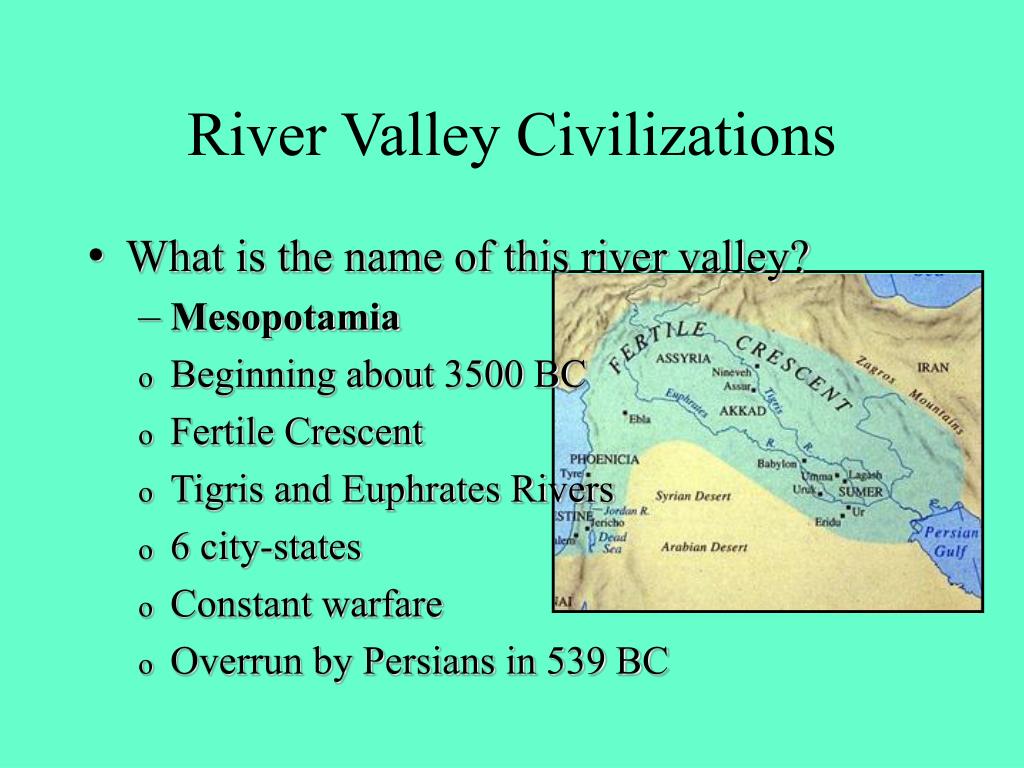
Rivers have played a crucial role in shaping human civilization. From the ancient settlements along the Nile River in Egypt to the bustling cities that developed around major rivers like the Ganges in India and the Yangtze in China, our relationship with these water bodies has been deeply intertwined. Studying river systems is not only important for understanding their ecological significance but also for appreciating their immense impact on societies throughout history.
River systems are complex networks of flowing water, tributaries, and drainage basins that carry valuable resources such as freshwater, sediments, and nutrients from one place to another. Understanding how these systems function is vital for various reasons. Firstly, rivers provide us with a reliable source of drinking water. They act as natural filtration systems by removing impurities while transporting freshwater downstream to communities along their banks.
Furthermore, rivers play a crucial role in agriculture by irrigating vast agricultural lands. Through controlled diversion channels and canals, farmers harness river waters to grow crops and sustain food production even in arid regions. The fertile soils deposited by rivers during floods also contribute significantly to agricultural productivity.
Apart from their utilitarian value, river systems support vibrant ecosystems that host diverse flora and fauna. Rivers create unique habitats where countless species thrive. These ecosystems provide breeding grounds for fish species like salmon or trout that migrate upstream to reproduce. Many bird species rely on rivers as well – they depend on them for both food sources and nesting sites.
However, due to human activities such as dam construction or pollution from industrial waste disposal, many river ecosystems face serious threats today. Damming disrupts natural flow patterns which can negatively impact aquatic biodiversity downstream while also affecting sediment transport processes essential for maintaining healthy deltas.
To ensure the sustainability of our river systems and prevent further degradation of these vital ecosystems requires taking proactive measures through ecological restoration projects. Ecological restoration aims at rehabilitating degraded areas back into functional ecosystems by reinstating natural processes and reintroducing native species.
These restoration projects are being implemented in various geographical settings, ranging from urban areas to rural landscapes. In urban environments, efforts are focused on reviving river corridors through strategies like daylighting – where rivers that have been buried underground are brought back to the surface. This helps rejuvenate both aquatic and terrestrial habitats, enhancing biodiversity and creating valuable green spaces for communities.
In rural landscapes, restoration projects often involve reconnecting fragmented river systems. Many rivers have been dammed or diverted over time, resulting in fragmented habitats that isolate populations of fish and other aquatic species. By restoring connectivity between these isolated patches, we can promote gene flow and increase genetic diversity within populations.
Another crucial aspect of ecological restoration is the removal of invasive species that disrupt native ecosystems. Invasive plants like water hyacinth or zebra mussels can choke river systems, impeding water flow and outcompeting native flora. Removing these invaders allows indigenous vegetation to flourish once again.
The impact of deforestation on biodiversity hotspots cannot be overstated when discussing the importance of studying river systems. Deforestation leads to increased erosion rates since trees provide stability against soil loss caused by rainfall events. When forests are cleared extensively around rivers’ catchment areas, sediments accumulate faster in rivers leading to shallower flows which increases flood risks downstream.
Additionally, deforestation disrupts riparian buffers – the vegetated strips along a river’s banks that filter pollutants before they enter the watercourses. Without this protective barrier provided by trees and other vegetation, pollutants such as fertilizers or pesticides from agricultural fields can directly enter rivers causing contamination problems for aquatic lifeforms as well as human health concerns if used for drinking purposes.
By understanding how vital river systems are for civilizations throughout history and their current challenges due to human activities such as damming or deforestation, we can appreciate the urgent need for ecological restoration efforts. Restoring degraded ecosystems not only benefits biodiversity but also ensures the sustainability of essential ecosystem services provided by rivers. It is vital that we recognize and prioritize the restoration of river systems to protect our environment and secure a better future for generations to come.
 Alternative Amie
Leave a comment