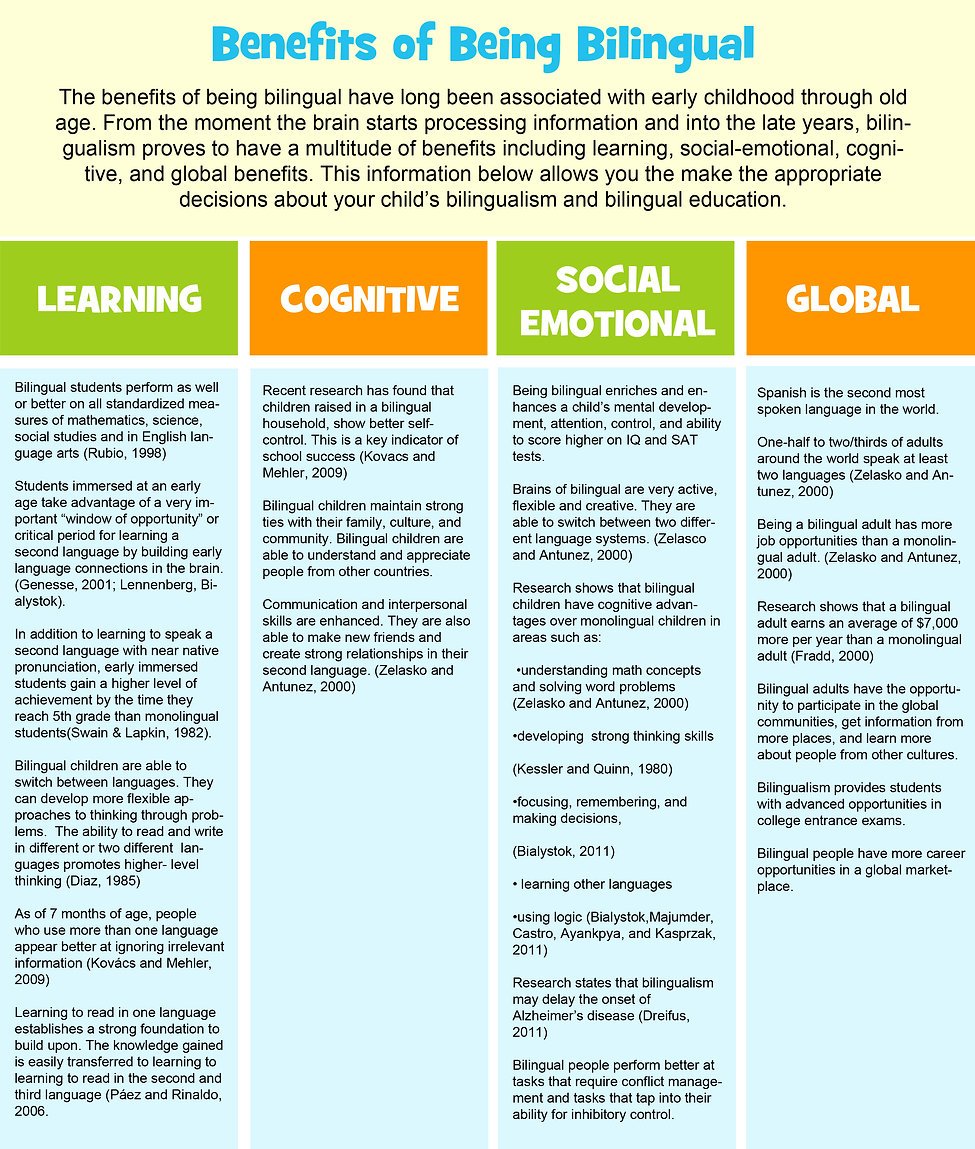
Bilingual education is a topic that has gained significant recognition in recent years due to its numerous benefits for individuals and communities. This form of education involves teaching students academic content in two languages, with the aim of promoting bilingualism and biliteracy. In this article, we will explore various aspects of bilingual education and its impact on different areas.
One area where bilingual education has shown positive effects is cognitive development. Research suggests that learning two languages simultaneously can enhance cognitive abilities such as problem-solving skills, creativity, and multitasking. Bilingual individuals often demonstrate better attention control and have a heightened ability to switch between tasks effectively.
Another important aspect of bilingual education is its role in preserving indigenous languages. Many indigenous cultures worldwide face the threat of language extinction, which can lead to the loss of cultural heritage. By incorporating these endangered languages into educational programs, bilingual education plays a crucial role in revitalizing and preserving indigenous cultures.
Bilingual education also offers unique opportunities for children with learning disabilities. Studies have shown that students with conditions like dyslexia or attention-deficit/hyperactivity disorder (ADHD) may benefit from instruction in their native language alongside additional support services. This approach allows them to access curriculum content more effectively while building upon their existing language skills.
Technology has become an essential component of modern-day education, including bilingual classrooms. With advancements such as online resources, interactive software, and language-learning apps, technology facilitates engaging and immersive language experiences for students. It provides opportunities for independent practice, personalized instruction tailored to individual needs, and authentic communication with speakers of other languages.
Furthermore, bilingual education promotes social integration by fostering intercultural understanding among diverse groups within a community or school setting. When students are exposed to different cultures through language learning, they develop empathy, respect for diversity, and an appreciation for global perspectives – qualities that contribute to harmonious coexistence in multicultural societies.
Academic achievement is another area significantly influenced by bilingual education. Numerous studies have demonstrated that students who receive instruction in multiple languages tend to outperform their monolingual peers in various subjects. Bilingual education enhances cognitive flexibility, critical thinking skills, and metalinguistic awareness – all of which can positively impact academic performance.
However, implementing bilingual education programs in rural communities can present unique challenges. Limited resources, access to qualified teachers, and cultural resistance are some obstacles faced by educators and policymakers in these areas. Collaborative efforts involving community members, local organizations, and government agencies are essential for successful implementation of bilingual education initiatives.
Parental involvement is crucial for the success of bilingual education programs. When parents actively participate in their children’s language learning journey by providing support at home and engaging with school activities, students demonstrate improved language proficiency and academic outcomes. Parental involvement also strengthens family ties and reinforces cultural identity within a bilingual context.
Speaking of cultural identity, bilingual education plays a significant role in maintaining and nurturing it among students from diverse backgrounds. By valuing and validating different languages and cultures within educational settings, individuals develop a strong sense of self-identity while embracing their heritage.
While there are numerous benefits to bilingual education, mainstream schools face challenges when implementing such programs effectively. Limited resources for teacher training, curriculum development, appropriate assessment tools for measuring language proficiency levels pose barriers that must be addressed to ensure equitable access to quality bilingual education for all students.
In conclusion, bilingual education has far-reaching impacts on various aspects of individuals’ lives as well as wider societal benefits. From cognitive development to preserving indigenous languages; from enhancing academic achievement to promoting social integration – this form of education holds immense potential for fostering inclusive learning environments that celebrate diversity while preparing future generations for a globalized world.
 Alternative Amie
Leave a comment