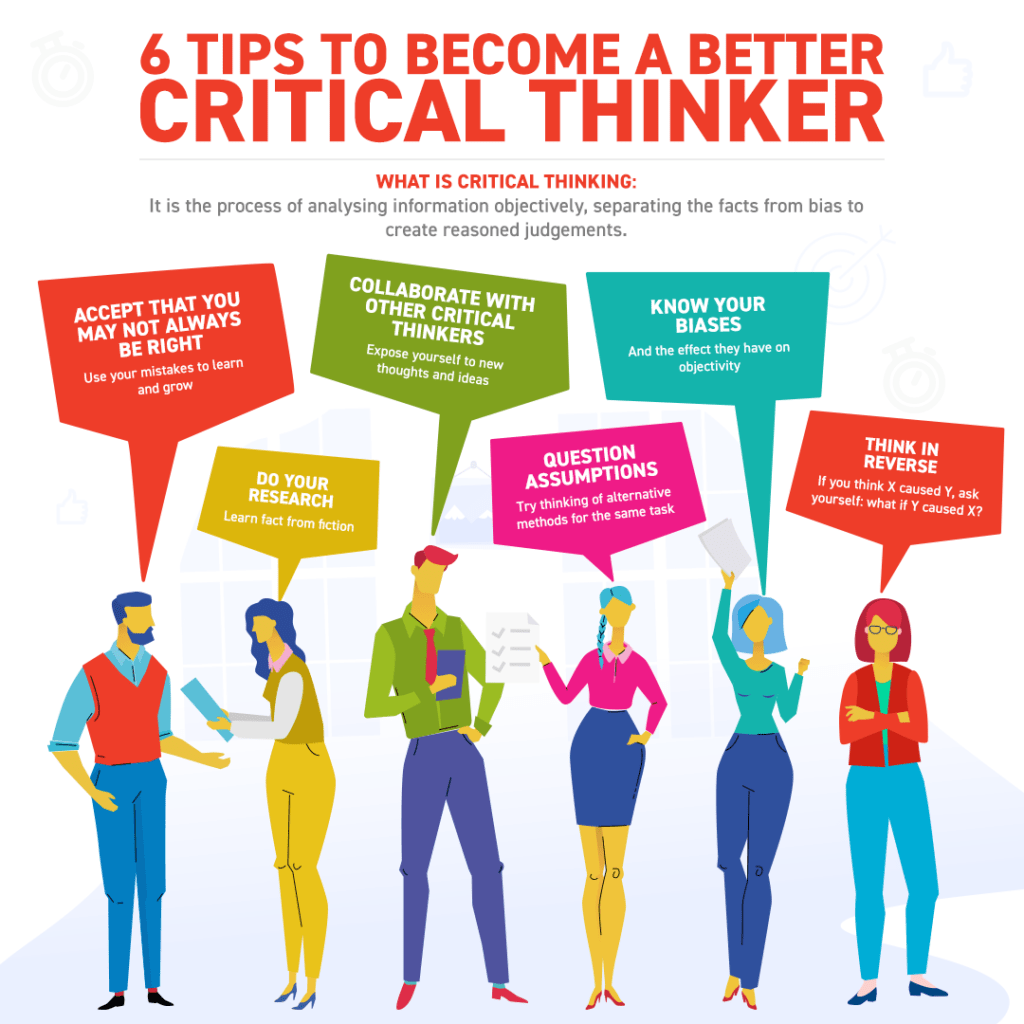
Critical thinking skills are essential in today’s rapidly changing world. They enable individuals to analyze information, evaluate arguments, and make informed decisions. Alternative schooling and education systems place a strong emphasis on developing critical thinking skills in students. In this article, we will explore what critical thinking is, why it is important for alternative schooling, and how it can be nurtured and developed.
To begin with, critical thinking refers to the ability to objectively assess information and evidence before reaching a conclusion or making a judgment. It involves actively questioning assumptions, examining different perspectives, and engaging in logical reasoning. Critical thinkers are open-minded individuals who seek out diverse viewpoints and apply rigorous analysis to arrive at well-informed conclusions.
Alternative schooling systems recognize that rote memorization of facts alone does not prepare students for success in the real world. Instead, they aim to cultivate independent thinkers who can navigate complex situations by employing critical thinking skills. These schools encourage students to ask probing questions about the material they learn rather than simply accepting it at face value.
One way alternative schools foster critical thinking is through project-based learning (PBL). PBL allows students to investigate real-world problems or topics of interest by conducting research, analyzing data, and presenting their findings. This approach encourages students to think critically as they must identify relevant information sources while evaluating their reliability and credibility.
In addition to PBL, alternative schools emphasize collaborative learning environments where students engage in group discussions or debates. By hearing different opinions from their peers during these exchanges, students gain exposure to diverse perspectives that challenge their own beliefs or biases. This practice helps develop empathy while honing analytical abilities as they consider counterarguments.
Moreover, educators play an essential role in teaching critical thinking skills within alternative schools. Rather than providing all the answers upfront, teachers act as facilitators who guide student inquiry processes and encourage independent thought. They teach strategies such as problem-solving methodologies or decision-making frameworks that empower learners to think critically when faced with complex challenges.
Alternative schools also incorporate interdisciplinary approaches that encourage students to draw connections between different subjects. This integration of knowledge allows learners to approach problems from various angles and consider multiple perspectives, fostering a deeper level of critical thinking.
To further nurture critical thinking skills, alternative schools often emphasize the importance of reflection. Students are encouraged to assess their own thought processes and identify any biases or logical fallacies they may have employed. By reflecting on their reasoning, students can refine their critical thinking abilities over time.
In conclusion, critical thinking is a vital skill for alternative schooling and education systems. It enables students to analyze information objectively, evaluate arguments critically, and make informed decisions. Alternative schools foster critical thinking through project-based learning, collaborative environments, interdisciplinary approaches, reflective practices, and guidance from educators who act as facilitators rather than authoritarian figures. By developing these skills early on in their educational journey, students are better equipped to navigate the complexities of the modern world and contribute meaningfully to society.
 Alternative Amie
Leave a comment