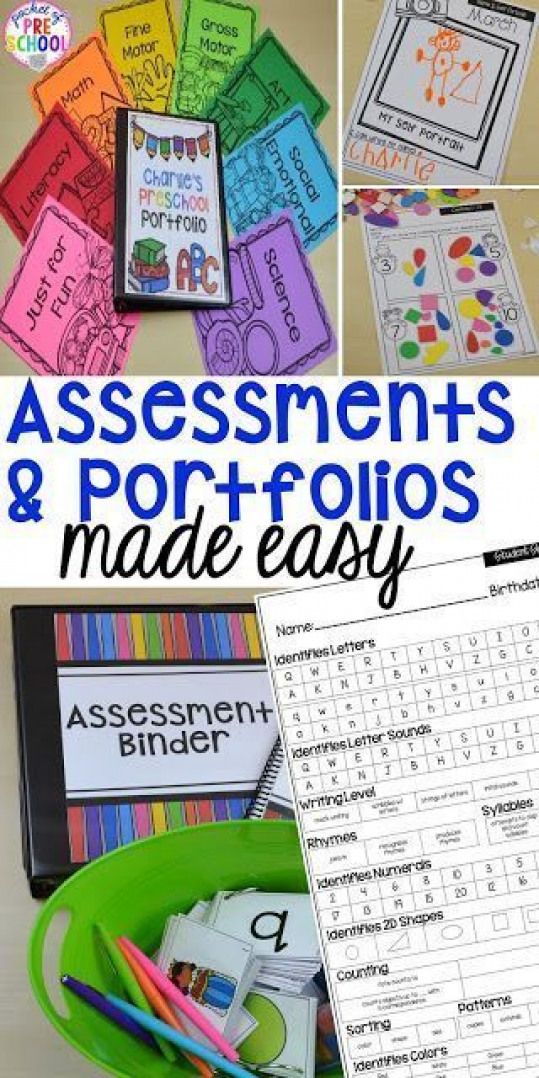
Authentic assessment in portfolio assessment:
Authentic assessment is a valuable tool in portfolio assessment as it allows students to demonstrate their knowledge and skills in real-world contexts. Rather than relying solely on traditional tests and exams, authentic assessment focuses on performance-based tasks that mirror the skills required in the professional world.
In portfolio assessment, authentic assessment can be incorporated through the inclusion of real-life examples of student work. This could include samples of research papers, creative projects, presentations, or even videos showcasing practical skills such as public speaking or problem-solving.
By using authentic assessments within portfolios, educators can gain a deeper understanding of students’ abilities beyond rote memorization. It also provides an opportunity for students to reflect on their own growth and development over time.
Digital portfolios for alternative schooling:
Digital portfolios offer a versatile and accessible way for students in alternative schooling settings to showcase their achievements and progress. These online platforms allow for easy organization and presentation of various types of artifacts including documents, images, videos, audio recordings, and links to external resources.
One advantage of digital portfolios is that they can be easily shared with teachers, peers, parents/guardians, or potential employers/colleges. This allows for feedback and collaboration that extends beyond the classroom walls.
Peer assessment in portfolio evaluation:
Peer assessment plays a crucial role in portfolio evaluation as it encourages active engagement among students and fosters a sense of ownership over their learning process. By involving peers in the evaluation process, students not only receive feedback from multiple perspectives but also develop critical thinking skills by evaluating others’ work.
Rubrics and criteria for portfolio assessment:
To ensure consistency and fairness in assessing portfolios across different learners, rubrics outlining specific criteria should be used during evaluation. These rubrics should clearly outline expectations regarding content quality (e.g., accuracy/relevance), organization/clarity (e.g., logical structure), creativity/originality (when applicable), communication skills (e.g., effective writing/speaking), and overall presentation.
Self-reflection and goal-setting in portfolios:
Portfolios provide an excellent opportunity for students to engage in self-reflection and goal-setting. Through reflective entries, students can analyze their strengths, weaknesses, and areas for improvement. This process helps them develop metacognitive skills and encourages a growth mindset.
Portfolio assessment for project-based learning:
Project-based learning often involves the creation of artifacts that can be included in portfolios. Portfolio assessment allows educators to evaluate not only the final product but also the process involved in completing the project. This holistic approach provides a comprehensive understanding of student performance.
Portfolios as evidence of student growth and progress:
One significant advantage of portfolio assessment is its ability to document student growth over time. By including samples from different points throughout a course or academic year, educators can track progress, identify areas where additional support may be needed, and celebrate achievements.
Assessing creativity and innovation in portfolios:
Portfolios are an ideal tool for assessing creativity and innovation as they allow students to showcase their unique ideas through various mediums such as artwork, videos, written pieces, or even prototypes. Rubrics should include criteria specific to evaluating creative thinking processes such as originality, problem-solving skills, risk-taking, or use of unconventional approaches.
Differentiating portfolio assessments for diverse learners:
To accommodate diverse learners’ needs during portfolio assessments, it is essential to offer flexibility in terms of content format (e.g., written vs. visual), communication style (e.g., verbal vs. written feedback), or language options (e.g., translations). Additionally,
adjustments may be made based on individual goals or accommodations outlined in students’ Individualized Education Programs (IEPs) or 504 plans.
Integrating technology tools for portfolio creation and evaluation:
Technology tools play a crucial role in facilitating both the creation and evaluation processes of digital portfolios. There are numerous online platforms available that offer features specifically designed for creating multimedia-rich portfolios and providing feedback. These tools can streamline the process, enhance collaboration, and offer engaging ways to present artifacts.
Using portfolios to document social-emotional learning skills:
Portfolios can serve as a valuable documentation tool for capturing students’ social-emotional learning (SEL) skills. Through reflective entries or artifacts that showcase teamwork, empathy, self-awareness, or responsible decision-making, educators can assess and track students’ development in these areas.
Portfolio assessment for career exploration and planning:
Portfolios can help students explore potential career paths by including artifacts related to internships, job shadowing experiences, or projects relevant to specific industries. By reviewing these portfolio elements together with student reflections on their interests and goals, educators can provide guidance and support in career planning.
Assessing collaboration and teamwork through portfolios:
Collaboration and teamwork are essential 21st-century skills that can be effectively assessed through portfolios. Including group projects or collaborative assignments within the portfolio allows educators to evaluate how well students work with others towards common goals. Peer assessments from team members also provide additional insights into individual contributions within a group setting.
Portfolios as a tool for personalized learning in alternative education settings:
In alternative education settings where personalized learning is often emphasized, portfolios serve as an effective tool for documenting individual progress. Students have the opportunity to curate their own portfolio content based on their interests,
strengths, or areas of growth while demonstrating mastery of specific competencies aligned with personalized learning goals.
Evaluating critical thinking skills through portfolio artifacts:
Critical thinking skills are crucial in today’s complex world. Portfolios allow students to demonstrate their ability to analyze information critically by including artifacts that showcase problem-solving processes,
evaluation of evidence/sources used in research papers/projects,
or reflection on thought processes behind creative works.
Incorporating multimedia elements in digital portfolios:
Digital portfolios offer opportunities for incorporating multimedia elements such as images, videos,
audio recordings,and interactive features.
These additions not only enhance the overall presentation but also allow students to showcase their work in a more engaging and dynamic way.
Assessing problem-solving abilities through portfolio tasks:
Problem-solving skills can be effectively assessed through portfolios by including artifacts that demonstrate the application of knowledge and strategies to real-life scenarios. These may include case studies, research projects, or creative solutions to complex problems.
Using portfolios to showcase community service and civic engagement:
Portfolios provide a platform for students to document their involvement in community service or civic engagement activities. By including artifacts such as photographs, written reflections, or testimonials from community members,
students can demonstrate their commitment to making a positive impact on society.
Portfolio assessment strategies for students with special needs:
When assessing portfolios for students with special needs,
it is crucial to consider individual accommodations outlined in IEPs or 504 plans.
Modifications may include alternative methods of communication
or adjustments in expectations based on individual goals and abilities.
Evaluating metacognitive skills through reflective portfolio entries:
Metacognitive skills are important for self-regulated learning.
Reflective entries within portfolios offer an opportunity for students
to assess their own thinking processes,
identify areas where they excel or struggle,
and set goals for improvement.
Educators can evaluate these metacognitive skills
based on the depth of reflection and evidence of growth shown in the entries.
 Alternative Amie
Leave a comment