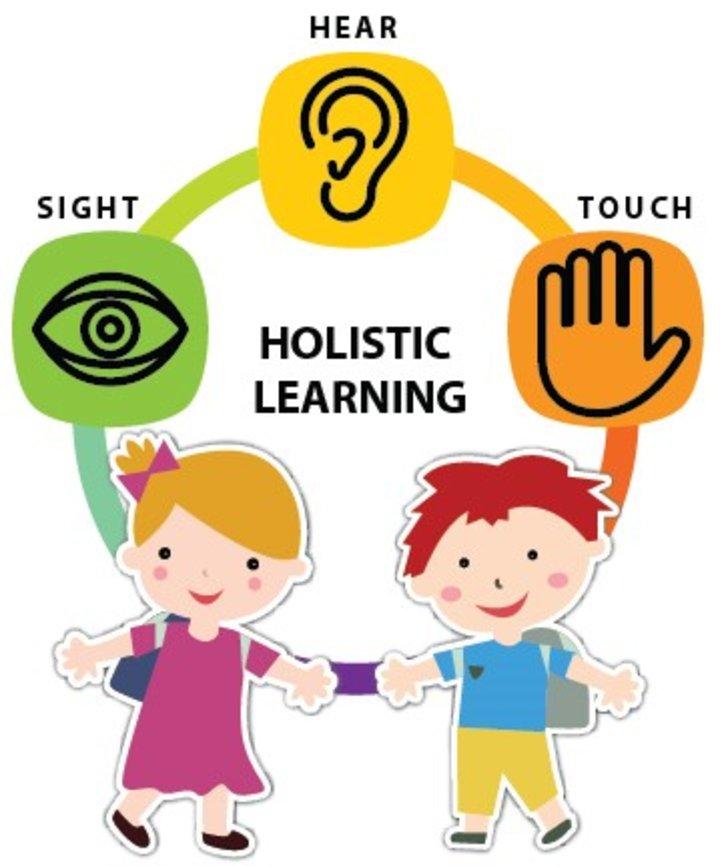
Unschooling and Emotional Intelligence: Nurturing a Holistic Education
Education is often associated with traditional schooling systems that follow a standardized curriculum, rigid schedules, and formal assessments. However, for some parents and educators, these conventional approaches may not align with their vision of an ideal education. Unschooling is an alternative educational philosophy that emphasizes self-directed learning in the pursuit of knowledge and personal growth. One of the unique benefits of unschooling is its potential to foster emotional intelligence – the ability to understand and manage one’s emotions effectively. In this article, we will explore how unschooling can contribute to the development of emotional intelligence in children.
Emotional intelligence encompasses various skills, including self-awareness, self-regulation, empathy, motivation, and social skills. These qualities are vital for building healthy relationships, making sound decisions, and achieving overall well-being. Unlike traditional schooling methods that prioritize academic achievements over emotional development, unschooling provides an environment where emotional intelligence can flourish naturally.
One fundamental aspect of unschooling is allowing children to pursue their interests autonomously. By giving them the freedom to choose what they learn based on their passions and curiosity, unschoolers develop a deep sense of ownership over their education. This autonomy fosters self-awareness as they become attuned to their interests, strengths, weaknesses, and emotions related to their learning experiences.
In contrast to structured classrooms where students must conform to predetermined syllabi or standards regardless of individual needs or preferences; unschooled children have the opportunity to regulate their own learning pace. They can set goals aligned with their passions while having flexibility in adapting those goals as needed – teaching them invaluable lessons in resilience and adaptability.
The unschooling approach recognizes that emotions play a crucial role in learning processes. When children are allowed space for exploration without fear of judgment or failure inherent in traditional grading systems; they develop resilience by bouncing back from setbacks rather than being discouraged by them. This resilience leads to the cultivation of a growth mindset, where children view challenges as opportunities for growth and learning.
Another key aspect of emotional intelligence is empathy – the ability to understand and share the feelings of others. Unschooling provides ample opportunities for children to engage with their communities, pursue their interests outside of academia, and interact with people from diverse backgrounds. These experiences foster empathy as unschooled children learn to navigate social situations, appreciate different perspectives, and develop meaningful connections beyond age or grade boundaries.
Unschooling also encourages open communication within families. Since parents play an active role in facilitating their child’s education, there is a natural inclination towards fostering strong emotional bonds based on trust and respect. By creating an environment where emotions are acknowledged and discussed openly, unschoolers gain essential skills in self-expression, active listening, conflict resolution, and understanding differing viewpoints.
Additionally, because unschooling allows for more flexible schedules compared to traditional schooling systems; children have more time for activities that promote emotional well-being such as mindfulness practices or pursuing hobbies that bring them joy. These activities provide outlets for self-reflection and stress relief while nurturing positive emotions like happiness or contentment.
Critics may argue that unschooling lacks structure or academic rigor necessary for success in adulthood. However, proponents of this educational philosophy believe that by focusing on emotional intelligence alongside academics; unschooled individuals can thrive in various professional fields due to their adaptability, creativity, critical thinking skills – all bolstered by a strong sense of self-awareness.
It is important to note that emotional intelligence does not replace traditional academic knowledge but complements it – providing a holistic approach towards education that prepares individuals not only academically but also emotionally for life’s challenges.
In conclusion, unschooling offers a unique educational experience centered around individualized learning paths driven by curiosity and passion. By prioritizing emotional intelligence alongside academic achievements; unschooled children develop a deep understanding of themselves, their emotions, and the world around them. Through autonomy, resilience, empathy, open communication, and self-care practices; unschooling nurtures emotional intelligence in ways that traditional schooling often overlooks. It is an alternative approach that empowers children to become well-rounded individuals capable of navigating life’s complexities with confidence and compassion.
 Alternative Amie
Leave a comment