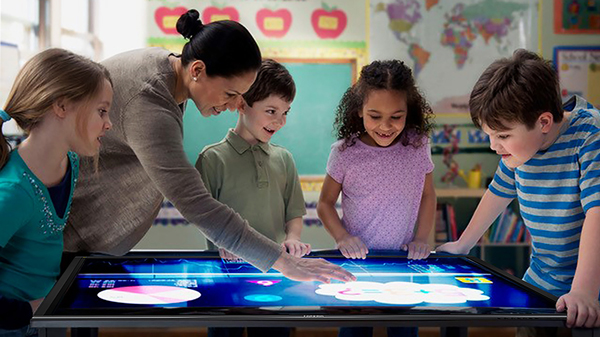
Incorporating Technology into Multiage Classroom Activities
As the world becomes increasingly digital, it is crucial for educators to adapt their teaching methods and incorporate technology into the classroom. This is particularly important in multiage classrooms, where students of different ages and abilities learn together. By leveraging technology effectively, teachers can create engaging and interactive learning experiences that cater to each student’s unique needs.
One of the main benefits of incorporating technology into multiage classroom activities is its ability to foster personalized learning. With access to various educational apps, websites, and programs, students can work at their own pace and focus on areas they need most help with. For instance, in a math activity focused on fractions, students can use online tutorials or games to reinforce their understanding of this topic. Similarly, struggling readers can utilize e-books with text-to-speech features that provide audio support while reading.
Additionally, technology provides opportunities for collaborative learning among students of different ages. Platforms like Google Docs or Padlet allow them to collaborate on projects remotely or within the same physical space. In a science experiment about plant growth, older students might take on leadership roles by guiding younger peers through the steps while documenting progress using digital tools such as videos or photographs.
Another advantage of integrating technology is its ability to enhance communication between teachers and parents. Through email updates or dedicated class websites, parents can stay informed about classroom activities and assignments specific to their child’s grade level. They can also access resources shared by teachers for further reinforcement at home.
When implementing technology in multiage classrooms, it is essential for educators to choose age-appropriate tools that align with curricular goals while considering individual student needs. Here are some examples:
1. Educational Apps: There are numerous educational apps available across various subjects such as math (Mathletics), language arts (Epic!), coding (Scratch), and foreign languages (Duolingo). These apps often offer adaptive learning experiences tailored to each student’s ability level.
2. Virtual Reality (VR): VR technology allows students to experience virtual field trips, historical events, or scientific phenomena that would otherwise be difficult to access. By using affordable VR headsets like Google Cardboard, teachers can transport their multiage classroom to any place or time period.
3. Online Collaboration Platforms: Tools like Padlet, Flipgrid, and Google Docs promote collaboration by enabling students to share ideas, provide feedback on each other’s work, and engage in discussions regardless of grade level. These platforms encourage peer learning while developing digital literacy skills.
4. Digital Storytelling Tools: Apps such as Book Creator or Adobe Spark Video empower students to create multimedia-rich stories incorporating text, images, audio narration, and videos. This fosters creativity and self-expression among learners of all ages.
5. Gamification: Educational games offer an engaging way for students to reinforce concepts while having fun. Platforms like Prodigy Math Game or Quizizz allow teachers to assign game-based activities tailored to each student’s abilities.
While technology integration has numerous benefits in the multiage classroom setting, it is crucial not to rely solely on digital tools but rather use them as a supplement alongside traditional teaching methods. Striking a balance between screen time and hands-on activities is essential for maintaining a well-rounded educational experience.
Moreover, it is vital for educators to provide proper guidance and support when introducing new technologies into the classroom. Teachers should familiarize themselves with these tools beforehand so they can effectively facilitate their use during lesson plans and address any technical issues that may arise.
In conclusion, integrating technology into multiage classrooms opens up endless possibilities for personalized learning experiences that cater to individual needs while promoting collaboration among students of different ages. By leveraging age-appropriate tools effectively and striking a balance between digital resources and traditional teaching methods, teachers can create engaging environments where all learners thrive.
 Alternative Amie
Leave a comment