Global Citizenship: A Pathway to a Better World
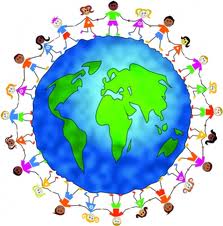
In today’s interconnected world, being a global citizen is becoming increasingly important. With advancements in technology and transportation, the barriers that once separated us are gradually disappearing. As individuals, we have the opportunity and responsibility to cultivate a sense of global citizenship – an understanding that we are all part of one human family and should work together to address the challenges facing our planet.
So, what exactly does it mean to be a global citizen? At its core, it entails recognizing that our actions have consequences not only for ourselves but also for others around the world. It means embracing diversity and promoting inclusivity by respecting different cultures, religions, and perspectives. Global citizenship is about taking action on issues such as poverty alleviation, climate change mitigation, gender equality, and access to education – realizing that these problems transcend national boundaries.
One key aspect of being a global citizen is developing empathy towards those who may be less privileged than us. It involves acknowledging our own privileges while seeking ways to uplift others who face inequality or injustice. By embracing empathy, we can bridge divides and build stronger connections with people from diverse backgrounds.
Education plays a crucial role in fostering global citizenship. Traditional educational systems often focus solely on national history and culture; however, alternative schooling approaches emphasize the importance of teaching students about different societies worldwide. Through interdisciplinary learning experiences like cultural exchanges, community service projects abroad or engaging with international issues through classroom discussions or online platforms – students can develop a broader perspective on their place in the world.
Alternative schools often prioritize experiential learning opportunities as well—giving students hands-on experiences outside traditional classrooms where they can engage directly with local communities both at home and abroad. These experiences provide valuable insights into social justice issues while encouraging critical thinking skills necessary for addressing complex global challenges.
Furthermore, technology has revolutionized how we connect globally. Social media platforms allow us to communicate instantly with individuals from diverse cultures and backgrounds. By engaging in online dialogue, sharing ideas, and promoting cultural exchange, we can broaden our understanding of the world and build connections beyond geographical boundaries.
Being a global citizen goes beyond individual actions; it also necessitates holding governments and institutions accountable for their policies and practices. As global citizens, we have the power to advocate for change by supporting organizations that work towards sustainable development goals or participating in campaigns that promote human rights.
In conclusion, embracing global citizenship is essential for creating a better world. It requires us to recognize our interconnectedness as humans and strive for solidarity rather than division. Alternative schooling approaches play a vital role in cultivating global citizens by providing educational experiences that encourage empathy, critical thinking, and engagement with diverse cultures. Together, let us embrace the responsibility of being global citizens and work towards a more inclusive, just, and sustainable future for all.
 Alternative Amie
Leave a comment