Student Leadership Development Through Projects
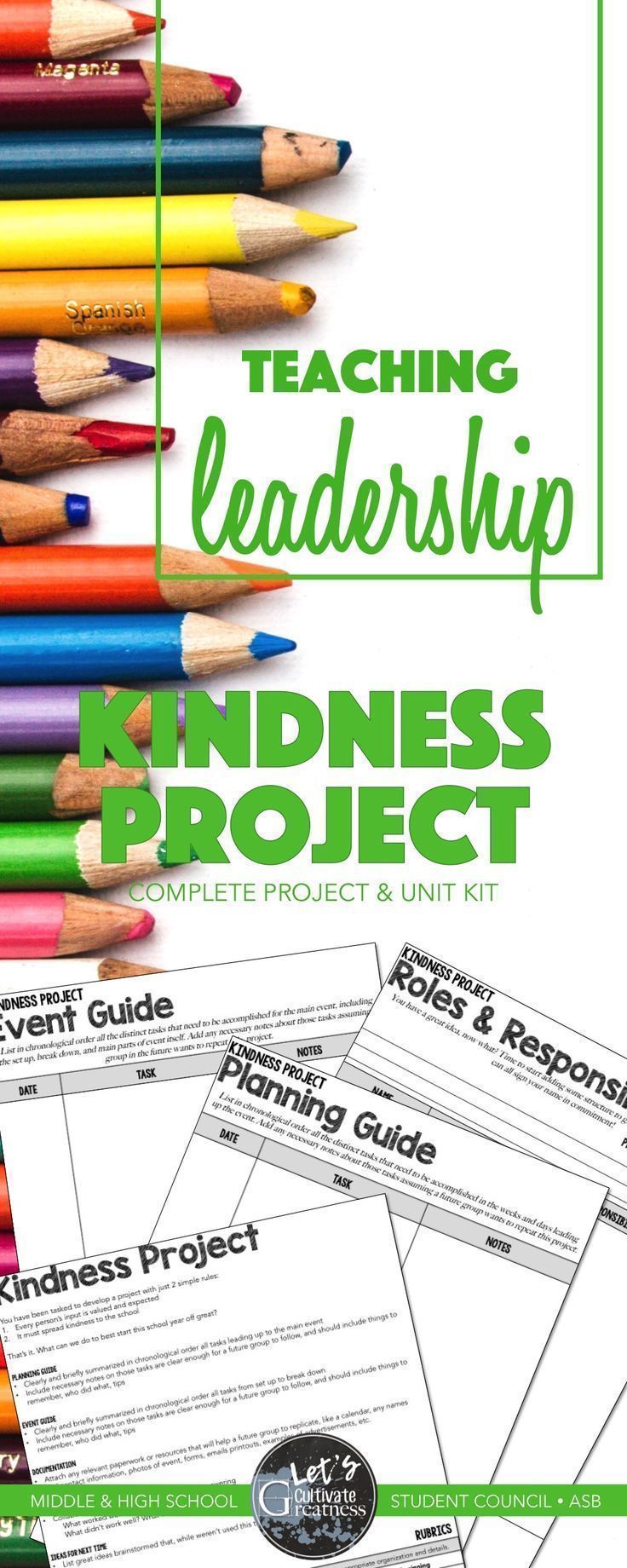
In traditional education systems, students often find themselves confined to the role of passive learners. However, alternative schooling and education models aim to empower students by providing them with opportunities for active engagement and leadership development. One effective way to foster student leadership is through project-based learning.
Project-based learning involves students working on real-world projects that are relevant and meaningful to their lives. This approach allows students to take ownership of their learning and develop essential skills such as critical thinking, problem-solving, collaboration, communication, and decision-making.
One key aspect of project-based learning is that it promotes student autonomy. Instead of being told what to do and how to do it, students have the freedom to choose their projects based on their interests or community needs. This autonomy encourages creativity and innovation as students explore different ideas and solutions.
Through project-based learning, students also learn important leadership skills. They become responsible for planning, organizing, and executing their projects from start to finish. They learn how to set goals, manage resources effectively, delegate tasks, motivate team members, resolve conflicts, make decisions under pressure, and reflect on their experiences.
Moreover, project-based learning enables students to develop a sense of social responsibility. By engaging in projects that address local or global issues like environmental sustainability or social justice concerns within their communities or beyond classroom walls -students understand the importance of making positive contributions towards society’s well-being.
Another benefit of project-based learning is its ability to cultivate teamwork skills. Many projects require collaboration among team members who bring diverse perspectives and expertise together towards a common goal. Students learn how to communicate effectively with others while respecting different viewpoints—a crucial skill in today’s interconnected world.
Furthermore ,project-based learning provides opportunities for self-reflection where students can assess their strengths ,weaknesses,and areas for growth .By reflecting on challenges faced during the course of a project ,students gain valuable insights about themselves .They learn perseverance,resilience,and the ability to adapt to new situations -skills that are vital for leadership development.
In conclusion, project-based learning is an effective tool for student leadership development. By engaging in real-world projects, students develop essential skills such as critical thinking, problem-solving, collaboration, communication, and decision-making. They also cultivate autonomy, social responsibility, teamwork skills, and self-reflection abilities. Through project-based learning experiences, students become empowered leaders who are equipped to make a positive impact on their communities and the world at large.
 Alternative Amie
Leave a comment