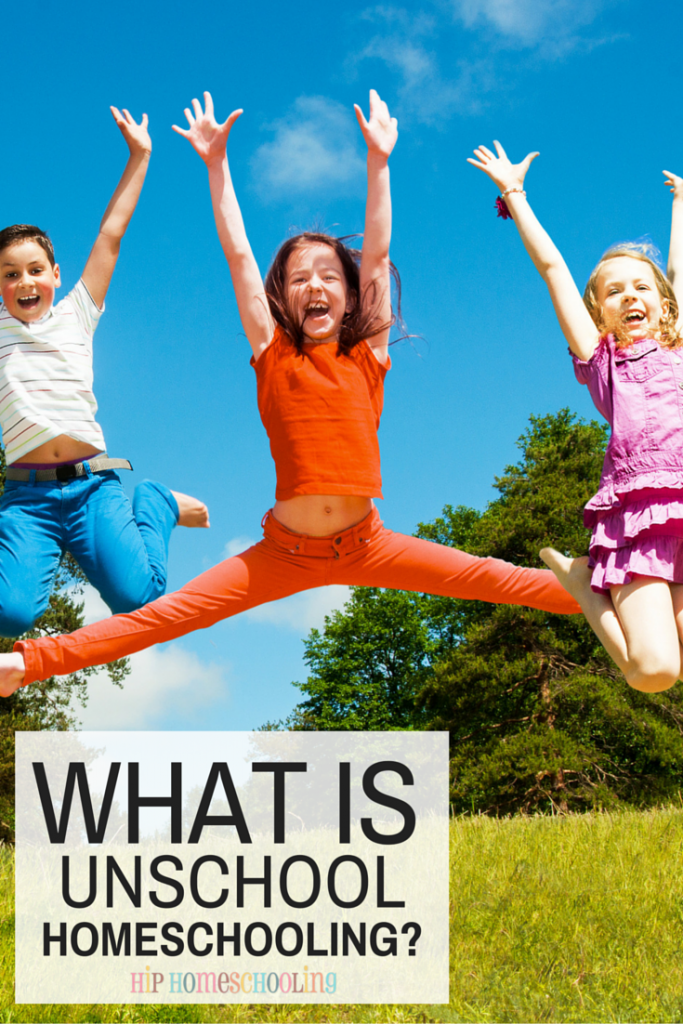
Unschooling: A Unique Approach to Education
Education is an essential aspect of a child’s development, shaping their future and providing them with the necessary skills to navigate the world. While traditional schooling methods have been widely accepted for decades, there is a growing interest in alternative approaches that cater to individual learning styles and interests. One such approach gaining popularity is unschooling.
Unschooling, also known as “self-directed learning” or “natural learning,” is an educational philosophy that challenges the conventional structure of education. It advocates for children’s autonomy and believes that they are naturally curious learners who flourish when given freedom and choice over their education.
In unschooling, there are no formal curriculums or set schedules. Instead, children are encouraged to pursue their passions and interests while parents act as facilitators rather than teachers. The focus lies on real-life experiences, hands-on activities, and self-discovery rather than textbooks and exams.
One of the key principles of unschooling is that learning happens everywhere and at all times. Unschoolers believe that knowledge cannot be confined within the four walls of a classroom; instead, it can be found in everyday situations such as cooking meals together, exploring nature, visiting museums or historical sites, engaging in community projects, or even playing video games.
Unschoolers place great emphasis on fostering intrinsic motivation in children. By allowing them to choose what they want to learn about based on their own interests and curiosity, children become active participants in their education journey. This approach not only enhances their love for learning but also develops valuable skills like critical thinking, problem-solving abilities, creativity, independence, and self-motivation.
Another fundamental aspect of unschooling is trust in a child’s innate ability to learn. By creating an environment where children feel safe to explore and make mistakes without judgment or pressure from external sources like standardized testing or grades-based evaluations [REMOVE], they can develop confidence in their abilities and take ownership of their education.
Unschooling also promotes the notion that learning is a lifelong process. It does not end with high school or college; instead, it continues throughout one’s life. By instilling this mindset early on, unschoolers are encouraged to become self-directed learners who actively seek out knowledge and personal growth even after they have left formal education behind.
Critics argue that unschooling may lead to gaps in knowledge, as children may neglect certain subjects or areas of study. However, unschoolers believe that these “gaps” are temporary and can be filled when a child develops an interest or need for specific information. They argue that traditional schooling often fails to provide a well-rounded education either due to time constraints or lack of individualized attention.
Unschooling also fosters strong parent-child relationships by promoting open communication, trust, and respect between parents and their children. Parents act as mentors rather than authority figures, guiding their children through various learning opportunities while honoring their choices and opinions.
It is important to note that unschooling is not for everyone. It requires dedicated parents who are willing to invest time and effort into understanding their child’s needs, finding resources aligned with those interests, creating supportive environments for exploration, and providing opportunities for socialization outside of traditional school settings.
In conclusion, unschooling offers an alternative educational approach focused on fostering curiosity, intrinsic motivation [REMOVE], independence, critical thinking skills [REMOVE], and love for learning in children. While it challenges the conventional notions of education, it has gained traction among families seeking personalized learning experiences tailored to each child’s unique needs and interests. Ultimately, whether you choose unschooling or traditional schooling methods will depend on your family’s values [REMOVE] but exploring different educational philosophies can help you make informed decisions regarding your child’s education journey
 Alternative Amie
Leave a comment