Self-assessment is a powerful tool that can be used in various educational settings to promote student learning and growth. In alternative education, where traditional measures of success may not always apply, self-assessment becomes even more important in evaluating students’ progress and development. This article explores different self-assessment techniques and strategies that can be utilized in alternative schooling to measure a wide range of skills and competencies.
One area where self-assessment can be particularly effective is project-based learning. By encouraging students to reflect on their own work and evaluate their performance, they become more actively engaged in the learning process. Self-assessment techniques such as rubrics or checklists can help students assess their progress throughout the project and identify areas for improvement.
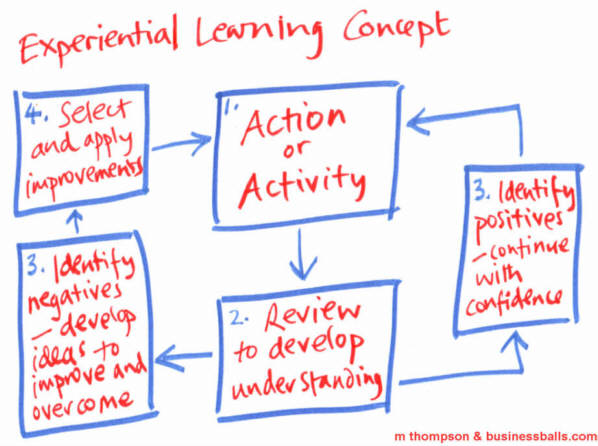
Experiential learning also lends itself well to self-assessment. By giving students opportunities to engage in hands-on activities or real-world experiences, they can develop a deeper understanding of concepts and skills. Self-reflection exercises or journaling prompts can allow students to critically analyze their experiences, identify strengths and weaknesses, and set goals for future growth.
Social-emotional development is another important aspect of alternative education that can be assessed through self-evaluation. Students can use journals or questionnaires to reflect on their emotional well-being, interpersonal relationships, empathy levels, or conflict resolution skills. By promoting self-awareness and introspection, these assessments help foster social-emotional intelligence.
Individualized learning plans often form the backbone of alternative education programs. Incorporating self-assessment into these plans allows students to take ownership of their learning journey by reflecting on their strengths, preferences, challenges, and progress towards goals. This helps educators tailor instruction according to individual needs while empowering students with greater agency over their education.
Portfolio assessments are widely used in alternative education settings as they provide a comprehensive view of a student’s achievements across various subjects or projects. Adding self-assessments within portfolios enables students to articulate the value of each piece included, explain their growth and learning process, and identify areas for further development.
Creativity, innovation skills, metacognitive abilities, problem-solving capabilities, critical thinking skills – these are all crucial competencies that can be assessed through self-evaluation. By incorporating reflective exercises or questionnaires into the curriculum, students can analyze their creative thought processes, evaluate their problem-solving strategies, and assess their ability to think critically about different subjects or issues.
Communication skills play a vital role in alternative education settings where collaboration and teamwork are often emphasized. By integrating self-assessment activities such as video recordings of presentations or written reflections on group discussions, students can evaluate their communication effectiveness and identify ways to improve their listening skills or articulate ideas more clearly.
Collaborative learning environments also benefit from self-assessment strategies. Peer evaluations or group reflections allow students to assess not only their individual contributions but also the success of the team dynamics. This fosters a sense of responsibility towards shared goals and enhances interpersonal skills.
Digital literacy is another essential skill in today’s world. Self-assessment tools like online quizzes or digital portfolios provide an opportunity for students to gauge their proficiency with technology tools and platforms while reflecting on how these skills contribute to their overall learning experience.
Cultural competence is increasingly important in our diverse society. Students can use self-reflection exercises to examine biases they may hold or evaluate how well they understand different cultures and perspectives. This helps foster empathy and respect for others’ experiences.
Resilience, adaptability, leadership qualities – these attributes are critical for success in alternative education settings as they prepare students for real-world challenges. By incorporating self-assessment techniques that involve goal setting, reflection on overcoming obstacles or taking charge of situations, educators can promote personal growth in these areas.
Self-assessments can also play a role in evaluating interdisciplinary learning outcomes by encouraging students to reflect on how different disciplines intersect and contribute to a holistic understanding of complex topics.
Global citizenship competencies, environmental awareness, community engagement – these are all areas that can be assessed through self-reflection and evaluation. By providing students with opportunities to reflect on their role in the global community or their impact on the environment, educators can foster a sense of responsibility and encourage active participation in creating positive change.
Financial literacy is an essential life skill. Self-assessment strategies such as budgeting exercises or reflections on personal finance decisions allow students to evaluate their understanding of financial concepts and assess their ability to make informed financial choices.
Media literacy is another crucial skill in today’s digital age. Students can use self-assessment tools like media analysis worksheets or written reflections to evaluate their ability to critically analyze media messages and understand the influence of media on society.
In conclusion, self-assessment techniques offer valuable insights into students’ progress and development across various skills and competencies in alternative education settings. By incorporating reflective exercises, questionnaires, portfolios, or peer evaluations throughout the curriculum, educators empower students with greater agency over their learning journey while promoting personal growth and fostering a deeper understanding of themselves as learners.
 Alternative Amie
Leave a comment