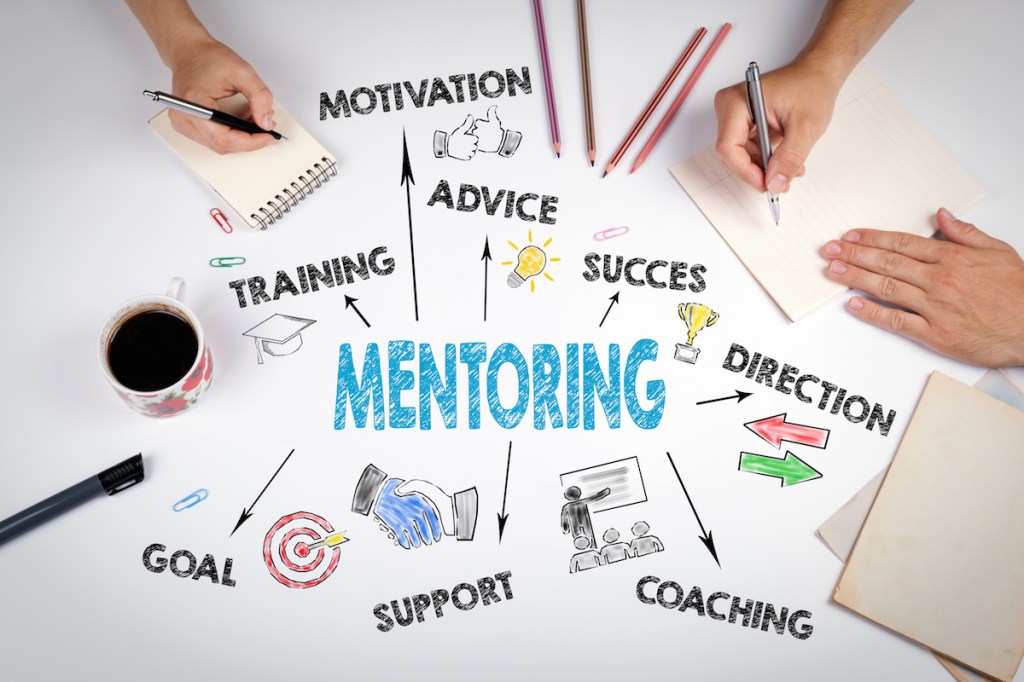
Mentorship is a valuable and transformative tool in alternative education. It provides students with guidance, support, and real-world experiences that enhance their learning journey. Finding the right mentor is crucial for this process to be effective.
When searching for a mentor in alternative schooling, it’s important to consider someone who aligns with the student’s interests and goals. A good mentor should have experience and expertise in the field of study or career path the student is interested in pursuing. They should also possess strong communication skills, be approachable, and genuinely invested in the mentee’s success.
The benefits of mentorship in alternative education are numerous. Mentors provide personalized attention to students’ unique needs, helping them navigate through challenges and discover their strengths. Mentorship fosters personal growth by encouraging self-reflection, goal-setting, and accountability. Additionally, mentors serve as role models who inspire students to explore new opportunities and expand their horizons.
Building a strong mentor-mentee relationship is essential for effective mentorship. Regular meetings, open communication channels, mutual respect, trust-building activities are key elements of this connection. The mentee should feel comfortable seeking advice from their mentor while receiving constructive feedback on their progress.
Many alternative schools offer formalized mentorship programs that match students with mentors based on shared interests or career aspirations. These programs often involve structured activities such as workshops, internships or shadowing experiences that expose students to real-world applications of their learning.
Mentorship plays a crucial role in guiding students towards career exploration within alternative education settings. By connecting them with professionals working in fields aligned with their interests or passions; mentors provide insights into potential career paths while offering practical advice regarding necessary educational pathways or certifications.
Peer mentoring also thrives within non-traditional learning environments as it allows students to learn from one another’s experiences while building supportive relationships among themselves.
For learners with special needs attending alternative schools; mentors can provide additional support and understanding. They can offer strategies for overcoming challenges, building self-confidence, and advocating for their unique needs.
In project-based learning, mentors play a vital role by providing guidance in the development and execution of projects. They help students refine their ideas, set realistic goals, provide resources or connections to experts in the field; ensuring that projects are meaningful and impactful.
Mentorship also contributes to social-emotional development as it fosters empathy, emotional intelligence, and resilience. Mentors serve as positive role models who guide students through personal challenges while instilling values such as integrity and perseverance.
Self-directed learners benefit greatly from mentorship as well. Mentors provide guidance in setting goals, managing time effectively, and staying motivated throughout their educational journey.
Entrepreneurship and innovation thrive within alternative schools; where creativity is encouraged. Mentorship in this context involves guiding students on how to turn their innovative ideas into viable products or services. Mentors with entrepreneurial experience can offer insights into business planning, marketing strategies; funding options while encouraging risk-taking mindset.
Personal growth is enhanced through mentorship by nurturing self-awareness; fostering personal reflection skills that promote continuous learning beyond formal education.
Academic success is often positively impacted by mentorship programs within non-traditional settings. By offering personalized support tailored to individual student’s needs; mentors help improve academic performance while promoting engagement in the learning process.
Cultural diversity and inclusivity should be key considerations when implementing mentorship programs within alternative schools so that all students have access to mentors who understand diverse perspectives; backgrounds allowing them to feel represented while receiving relevant guidance
At-risk youth can significantly benefit from mentorship programs offered within alternative schooling environments. Mentors can provide stability, encouragement; positive role models for these vulnerable students which helps them overcome obstacles while building resilience
Mentoring strategies aimed at fostering creativity include encouraging brainstorming sessions or collaborative problem-solving activities that challenge critical thinking skills among mentees.
Mentors also play a vital role in promoting student autonomy and independence. They encourage self-directed learning, problem-solving, and decision-making skills that enable students to take ownership of their education.
Mentorship opportunities extend beyond the classroom; providing students with real-world experiences such as internships, job shadowing or community service projects that enhance their understanding of different industries or issues.
Preparing students for college and career readiness is another significant aspect of mentorship in alternative education. Mentors can provide guidance on college applications, scholarships, career planning or even offer internships or networking opportunities that increase students’ chances of success in higher education and future careers.
Implementing effective mentorship programs can present challenges. These may include finding enough qualified mentors within specific fields; ensuring regular communication between mentors and mentees; matching compatible personalities or interests among mentors and mentees while addressing any potential power dynamics within the relationship
In conclusion, mentorship plays a crucial role in alternative schooling by offering personalized support, guidance; real-world experiences that enhance students’ learning journey. Finding the right mentor is essential, as they serve as positive role models who inspire personal growth while fostering academic success, social-emotional development; preparing them for future endeavors.
 Alternative Amie
Leave a comment