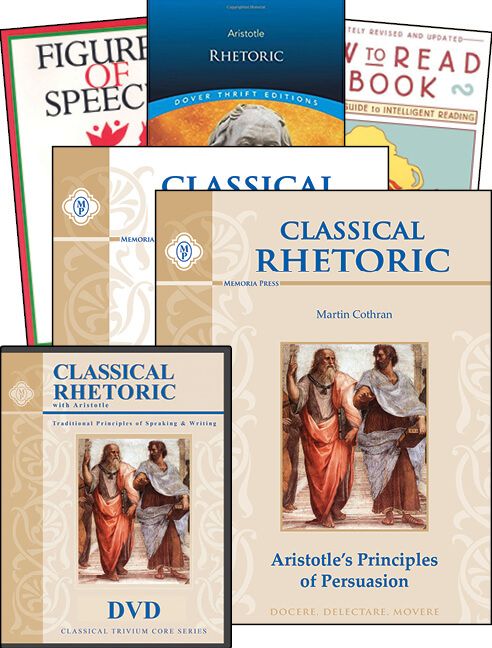
Classical education has long been revered for its emphasis on rhetoric, the art of effective communication. In ancient Greece and Rome, rhetoric was considered a vital skill for any educated individual, as it enabled them to articulate their thoughts persuasively and engage in meaningful dialogue. Today, classical education continues to recognize the importance of rhetoric in developing critical thinking skills and fostering intellectual growth.
Rhetoric is not simply about eloquence or persuasive techniques; it encompasses the ability to analyze arguments, evaluate evidence, and construct logical reasoning. Through the study of classical texts such as Plato’s dialogues and Cicero’s speeches, students are exposed to different rhetorical strategies and learn how language can be used to influence others. By engaging with these texts, students develop their own voice while also understanding how others have used rhetoric throughout history.
However, classical education goes beyond just studying well-known works by famous playwrights such as Sophocles or Euripides. It encourages an exploration of lesser-known works by ancient Greek playwrights that offer unique insights into society and human nature. Plays like “The Persians” by Aeschylus or “The Frogs” by Aristophanes provide valuable perspectives on topics such as war, politics, and morality that can spark rich discussions in the classroom.
Latin and Greek language studies remain integral components of classical education due to their impact on vocabulary acquisition and cultural understanding. Latin forms the foundation for many modern languages including English; therefore, studying Latin enhances students’ comprehension skills while also providing a window into Roman culture. Similarly, learning Greek allows students access to a vast corpus of philosophical works that have shaped Western thought.
While often overlooked in traditional curricula dominated by STEM subjects (science, technology, engineering, mathematics), these ancient languages offer invaluable benefits beyond linguistic proficiency. They foster analytical thinking skills through close textual analysis while also cultivating an appreciation for historical context.
Classical education seeks inclusivity even in historical narratives often dominated by male perspectives. By uncovering forgotten female philosophers of the classical era, educators can present a more comprehensive picture of intellectual history. Women such as Hypatia, Aspasia, and Diotima made significant contributions to philosophy and rhetoric but are often overlooked in mainstream discussions.
Stoic philosophy, with its emphasis on self-discipline and resilience, has profound implications for character development in students. The Stoics believed that individuals could achieve inner peace by focusing on what they could control rather than being consumed by external circumstances. Incorporating Stoic principles into the classroom encourages students to develop emotional intelligence, practice mindfulness, and cultivate virtue.
Classical music appreciation is another valuable component of classical education. Studying the works of composers like Bach or Mozart not only exposes students to timeless masterpieces but also connects them to historical periods and cultural contexts. Classical music can evoke emotions and stimulate creativity while enhancing critical listening skills.
Integrating mythology into literature studies provides a deeper understanding of classic texts. Mythological stories offer insights into human nature, morality, and societal norms prevalent during ancient times. By studying myths alongside literature from different periods and cultures, students gain a broader perspective on universal themes that transcend time.
Ancient Roman engineering continues to influence modern architecture in numerous ways. The Romans were renowned for their advanced construction techniques such as arches, domes, and aqueducts. Understanding these engineering marvels not only fosters an appreciation for architectural heritage but also highlights the enduring relevance of ancient knowledge in shaping our built environment today.
Teaching ancient history through archaeological discoveries allows students to engage directly with artifacts from the past. Excavations at sites like Pompeii or Herculaneum provide tangible connections to ancient civilizations while encouraging curiosity about daily life during those times. This hands-on approach brings history alive for students as they explore primary sources firsthand.
Socratic dialogue plays a crucial role in fostering critical thinking skills among students. Socrates believed that asking probing questions could lead individuals to discover their own truths and challenge prevailing assumptions. By engaging in Socratic dialogue, students learn to think critically, analyze arguments, and articulate their ideas effectively.
Rediscovering lost techniques in classical art and sculpture offers insights into ancient craftsmanship. Techniques such as contrapposto or chiaroscuro can be taught alongside traditional methods to inspire creativity and encourage experimentation with different artistic styles.
Ancient Greek geometry forms the basis for many mathematical principles still used today. Studying Euclidean geometry not only enhances logical reasoning but also deepens students’ understanding of spatial relationships. The focus on deductive reasoning in classical mathematics teaches students how to construct proofs and solve complex problems systematically.
Incorporating ancient Roman culinary traditions into home economics classes provides a unique perspective on the history of food culture. Exploring recipes from Apicius’ “De Re Coquinaria” or other ancient cookbooks allows students to connect with daily life in ancient Rome while developing practical cooking skills.
Comparing physical education practices in ancient Greece and Rome to modern approaches highlights shifts in societal values over time. In antiquity, physical education was considered integral to developing well-rounded citizens who embodied ideals of athleticism, discipline, and moral character. This historical perspective encourages reflection on contemporary practices and their impact on holistic development.
The impact of ancient Greek democracy on contemporary political systems is a topic ripe for exploration within classical education. By examining the origins of democratic principles through texts like Aristotle’s “Politics,” students gain a deeper understanding of the evolution of governance structures throughout history.
Teaching ethics through the study of moral philosophy in classical texts fosters ethical decision-making skills among students. Ancient philosophers like Plato or Aristotle explored questions about virtue, justice, and morality that remain relevant today. Engaging with these philosophical works cultivates empathy, encourages critical thinking about ethical dilemmas, and helps shape personal values.
Fables and parables have long been recognized as effective teaching tools in classical education. Aesop’s fables and stories from ancient sources like Babrius or Phaedrus offer moral lessons that transcend time and place. Analyzing these narratives encourages students to reflect on universal truths and apply them to their own lives.
Examining the portrayal of women in classical literature reveals both limitations and possibilities for gender roles within society. By critically analyzing texts such as Homer’s “The Odyssey” or Euripides’ “Medea,” students can unpack the complexities of female characters, challenge stereotypes, and explore the representation of women throughout history.
Understanding virtue ethics is fundamental to character education within classical pedagogy. The concept of virtue encompasses qualities such as courage, temperance, justice, and wisdom. Through studying philosophical works like Aristotle’s “Nicomachean Ethics,” students learn how to cultivate virtuous behavior and develop a strong moral compass.
Alternative approaches to teaching grammar based on classical methods can revolutionize language education. Traditional grammar instruction often focuses on rule memorization without context; however, classical methods emphasize understanding language through reading authentic texts. This approach allows students to internalize grammar rules naturally while also developing reading comprehension skills simultaneously.
Classical education offers a rich tapestry of subjects that go beyond rote learning by encouraging critical thinking skills, fostering an appreciation for historical context, nurturing creativity, and promoting ethical decision-making. As educators continue to embrace these diverse topics within their curricula, they empower students with timeless knowledge that transcends generations.
 Alternative Amie
Leave a comment