Ancient Civilizations: Exploring the Wonders of the Past
Introduction:
The study of ancient civilizations offers a captivating glimpse into the rich tapestry of human history. From magnificent architectural wonders to groundbreaking advancements in science and technology, these early societies have left an indelible mark on our world. In this compilation post, we will explore some of the most fascinating ancient civilizations that have shaped our understanding of culture, education, and society.
1. Ancient Mesopotamia:
Considered one of the cradles of civilization, Mesopotamia emerged in present-day Iraq around 3500 BCE. It was home to remarkable city-states like Sumer and Babylon. The people of Mesopotamia made significant contributions to fields such as mathematics, law codes (such as Hammurabi’s Code), astronomy, and writing systems like cuneiform—the oldest known form of writing.
2. Ancient Egypt:
The Nile River Valley nurtured one of history’s greatest civilizations: Ancient Egypt. Flourishing from around 3100 BCE until its conquest by Alexander the Great in 332 BCE, Egypt is renowned for its pyramids, mummies, hieroglyphs, and pharaohs. The Egyptians excelled in architecture (evident through structures like the Great Sphinx and Luxor Temple), engineering (construction techniques used during pyramid building), medicine (including embalming practices), and religious beliefs centered around gods such as Ra and Osiris.
3. Ancient Greece:
Ancient Greece fostered extraordinary intellectual creativity between the 8th century BCE to approximately 600 CE. Greek philosophers laid foundation stones for Western thought with their rational inquiry into subjects ranging from ethics to metaphysics—thinkers such as Plato, Aristotle, Socrates are still revered today for their philosophical insights.
Greek cultural achievements extended beyond philosophy; they encompassed literature (epics like Homer’s Iliad and Odyssey), theater (the birthplace of tragedies and comedies), and art (the iconic statues like the Venus de Milo). The Greeks also devised democratic systems, which became a cornerstone for modern governance.
4. Ancient Rome:
Building upon Greek foundations, Ancient Rome developed into one of history’s most powerful empires. Spanning from 753 BCE to 476 CE, Rome left an indelible mark on architecture (the Colosseum, Pantheon) and engineering (aqueducts, roads).
Rome’s legal system provided principles that still guide many countries today. Roman law emphasized concepts such as justice and individual rights—a precursor to the rule of law in contemporary societies. Additionally, their contributions to literature (epics by Virgil), language (Latin), and governance continue to influence Western civilization.
5. Ancient China:
Ancient China boasts a rich cultural legacy spanning over several millennia. From its early beginnings in the Neolithic era around 10,000 BCE until the end of imperial dynasties in 1912 CE, Chinese civilization witnessed remarkable advancements across various domains.
Chinese innovations include papermaking techniques, compasses aiding navigation at sea or land exploration during voyages like those led by Zheng He between 1405-1433 CE. Chinese philosophy—Confucianism with its emphasis on social harmony—shaped societal values while Taoism explored spiritual aspects of existence.
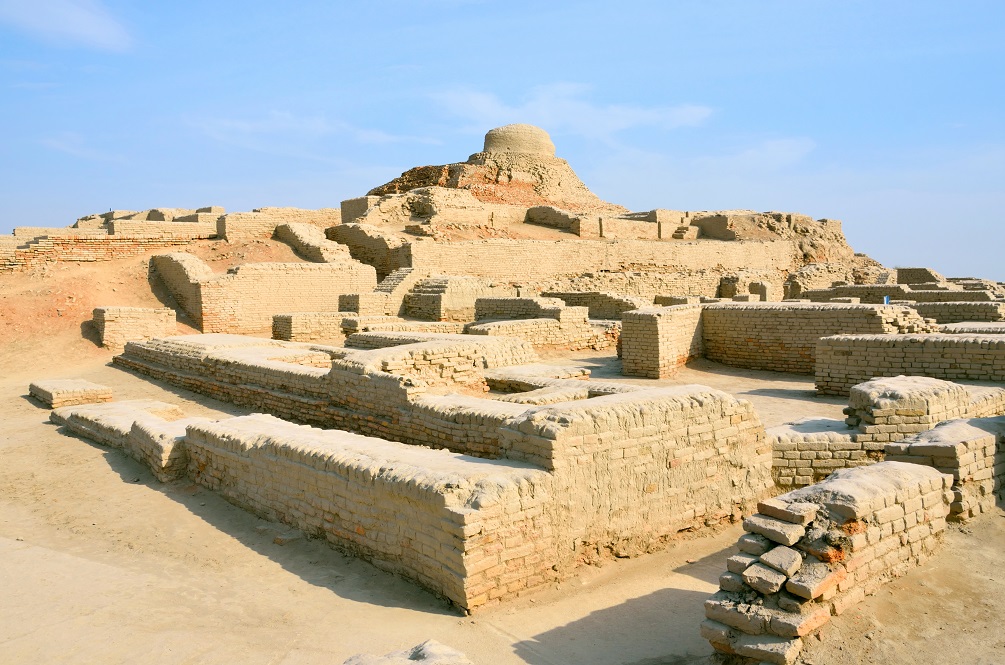
6. Indus Valley Civilization:
The Indus Valley civilization emerged around 3300 BCE within present-day Pakistan and northwest India regions before mysteriously declining around 1300 BCE due to factors yet unknown.
This ancient urban culture boasted sophisticated city planning featuring well-organized sewage systems—an impressive achievement for its time period—and evidence suggests they had a written script called Indus Script that remains undeciphered till date.
7. Maya Civilization:
Spanning approximately from 2000 BCE to the arrival of Spanish conquistadors in the early 16th century CE, the Maya civilization flourished in Mesoamerica (comprising parts of modern-day Mexico, Belize, Guatemala, and Honduras).
The Maya excelled in mathematics (including the concept of zero), astronomy (developing a complex calendar system), and architecture (pyramids at Tikal or Chichen Itza). Their hieroglyphic writing system recorded historical events, religious rituals, and astronomical observations.
Conclusion:
Ancient civilizations were the trailblazers of human history. They laid foundations for intellectual inquiry, artistic expression, governance systems, and technological advancements that continue to shape our world today. Exploring these remarkable societies allows us to appreciate their contributions while providing valuable insights into how far humanity has come in terms of education and cultural evolution. By studying ancient civilizations, we can gain a deeper understanding of our shared heritage while fostering curiosity about the mysteries that still lie buried beneath layers of time.
 Alternative Amie
Leave a comment